
Prokaryotic Cells vs Eukaryotic Cells
Understanding the difference between prokaryotic and eukaryotic cells is one of the most important concepts in middle school life science....
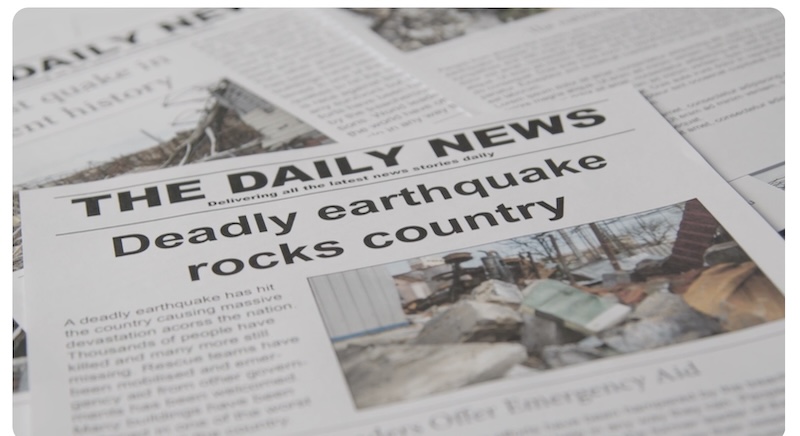
Earthquake Resources for Middle School
Understanding earthquakes is a fundamental part of earth science education. These comprehensive earthquake resources covers what causes earthquakes, how they’re...
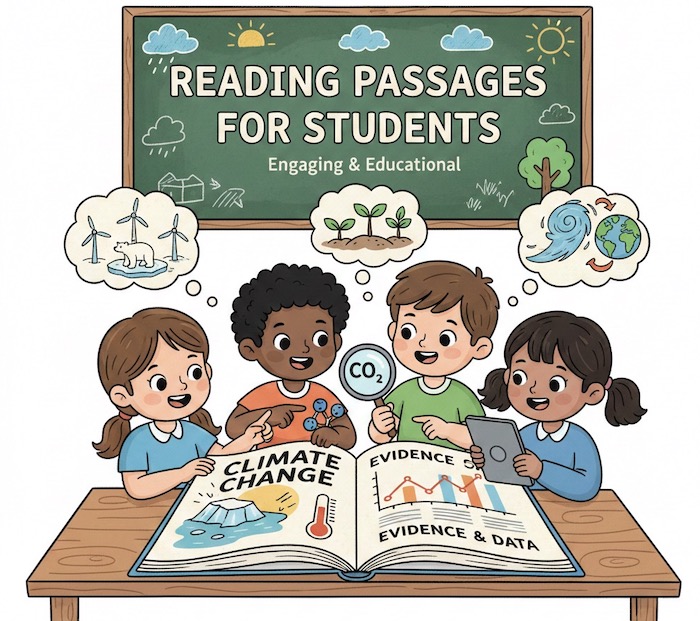
Evidence for Climate Change: Reading Passages and Activities
We will explore clear evidence for climate change. Understanding climate change is crucial for students. They are designed for grades...
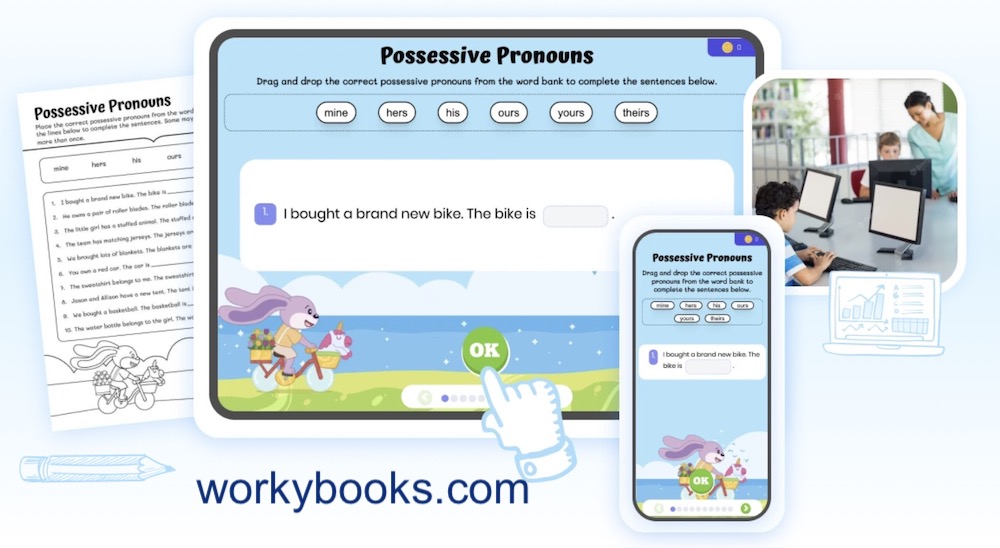
Workybooks – Interactive LMS Platform for K-8 Teachers
What is Workybooks? Workybooks is a web-based Learning Management System (LMS) designed specifically for K-8 teachers who need comprehensive, standards-aligned...
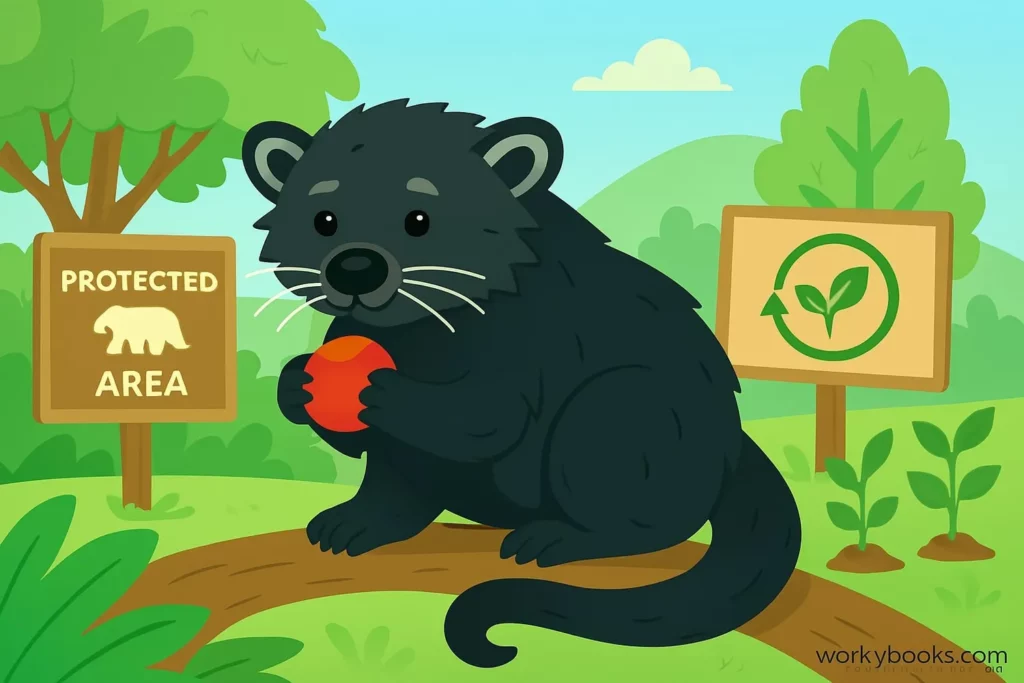
Binturong Facts: Diet, Habitat, and Why It Smells Like Popcorn
When it comes to binturong interesting facts, few animals capture students’ imagination quite like this peculiar mammal. The binturong bearcat—despite...
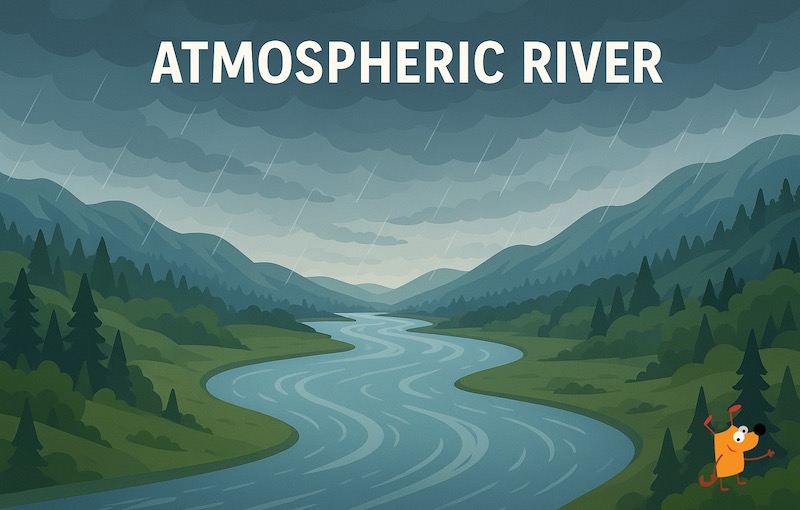
Atmospheric River: The Sky Rivers
You’ve likely heard the term “atmospheric river” increasingly used in weather forecasts, especially if you live on the West Coast...

Types of Clouds: A Complete Cloud Unit for Grades 3-8
As educators, we’re always looking for topics that are visible, engaging, and perfectly suited to scaffold learning from basic observation...
What is Global Warming? Let’s Find Out!
What is global warming? It’s a big change that’s affecting our whole planet. Global warming means the Earth is getting hotter...
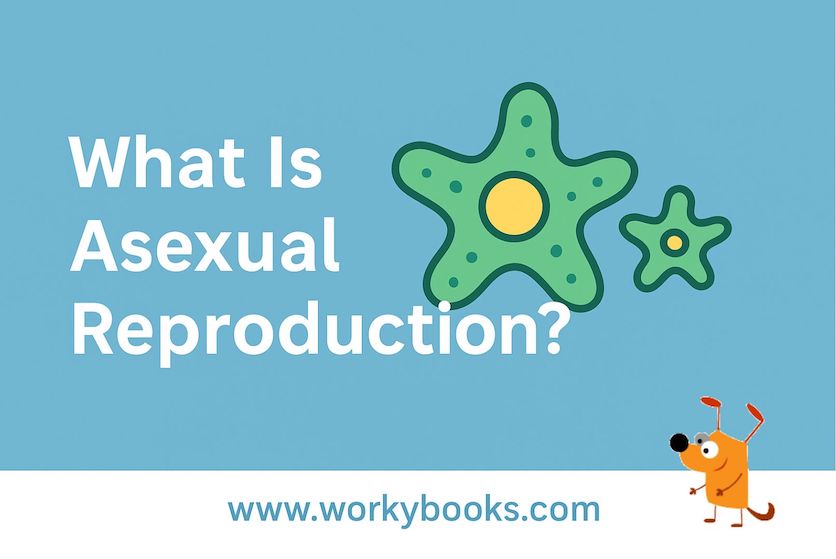
Asexual Reproduction: Definition, Types, and Advantages
Asexual reproduction is a remarkable biological process through which organisms can produce offspring without the involvement of a mate. Unlike...