Addition and Subtraction Within 20
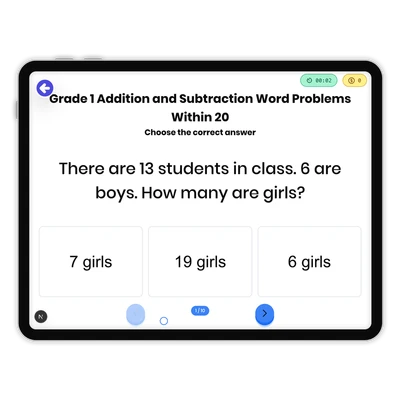
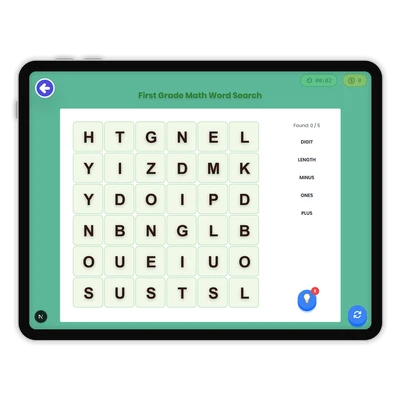
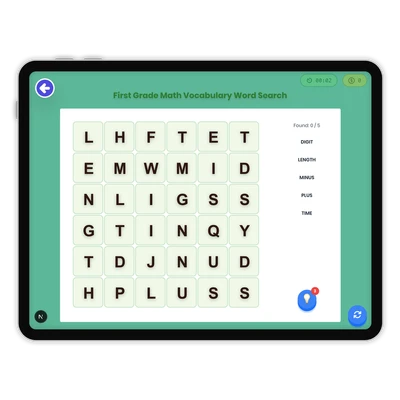
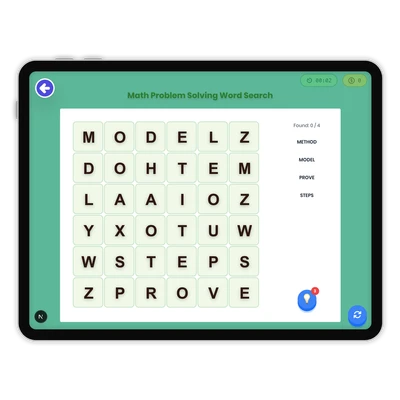
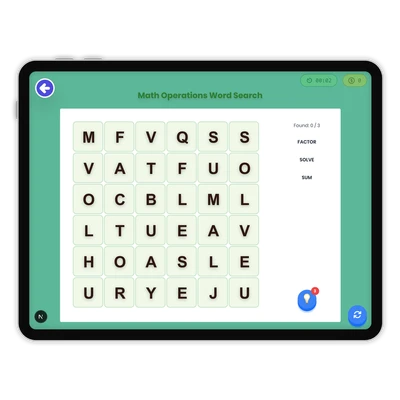
Interactive game with multiple rounds, auto-scoring, and unlimited replay.
By completing this purchase you agree to our Terms of Use and Privacy Policy. Your subscription renews automatically until you cancel. You can cancel anytime from your account settings. All sales are final and non-refundable. Digital content is available for download in your account immediately upon purchase.
What's included
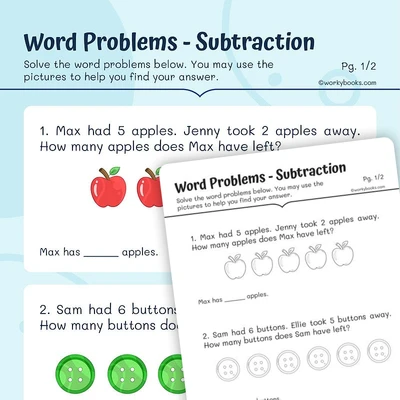
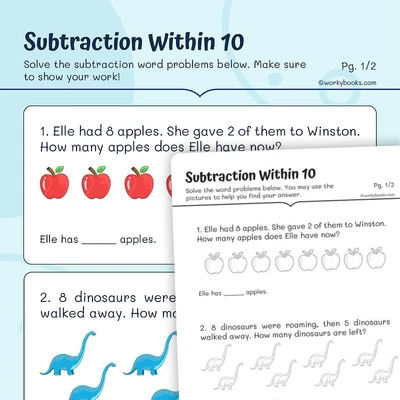
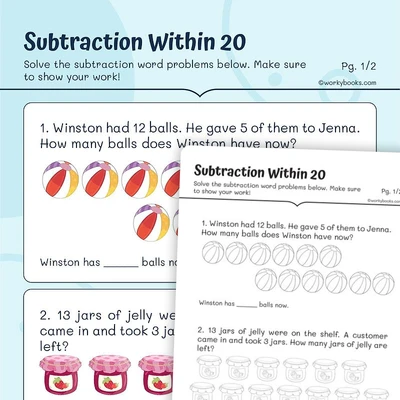
Addition and Subtraction Within 20 preview and details
Try the game
About this game
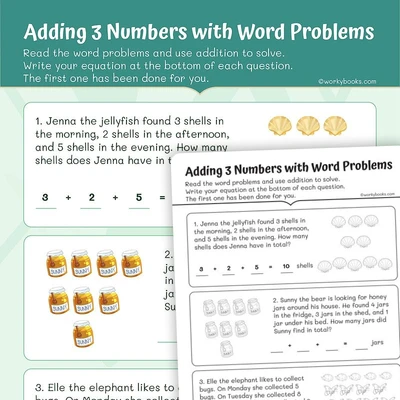
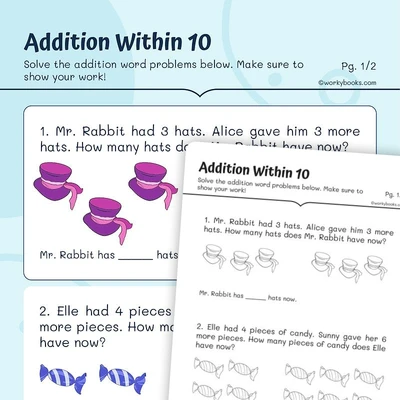
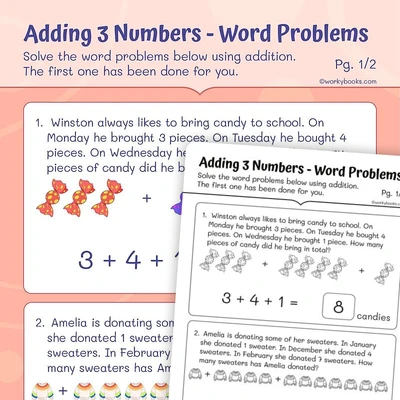
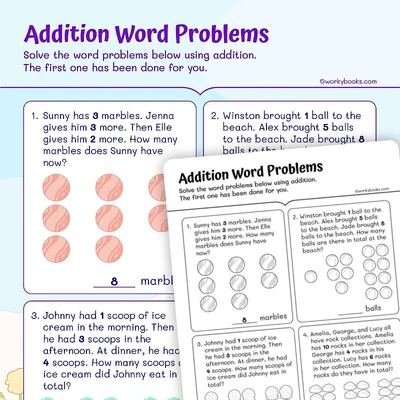
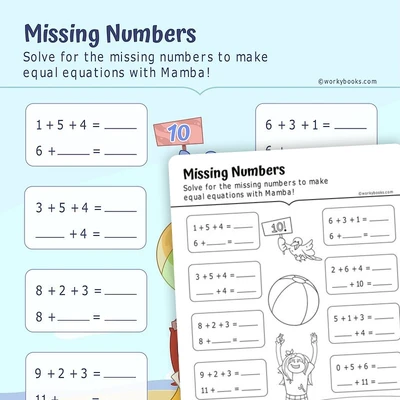
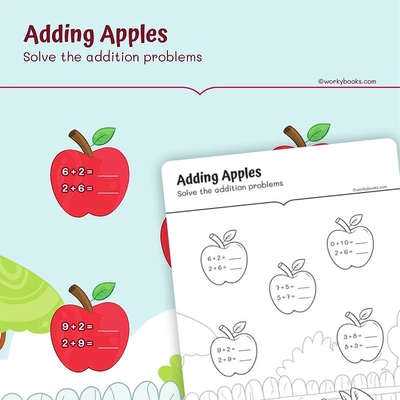
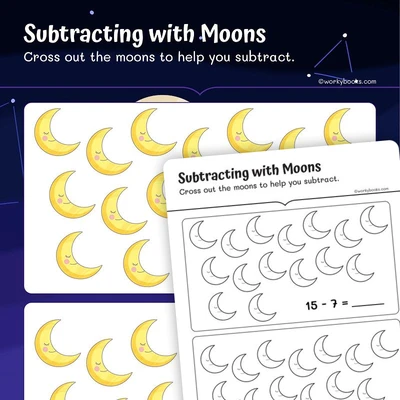
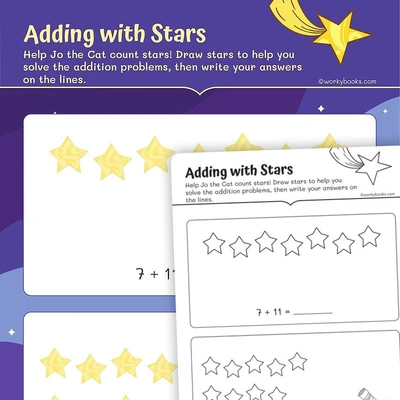
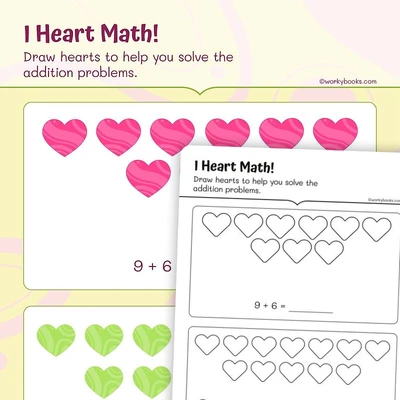
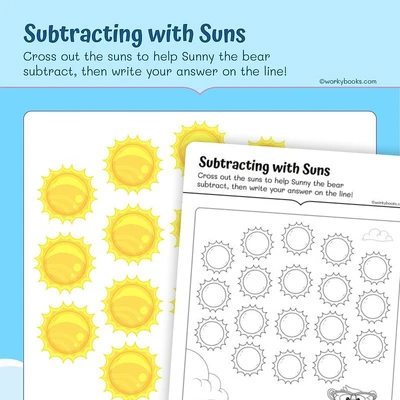
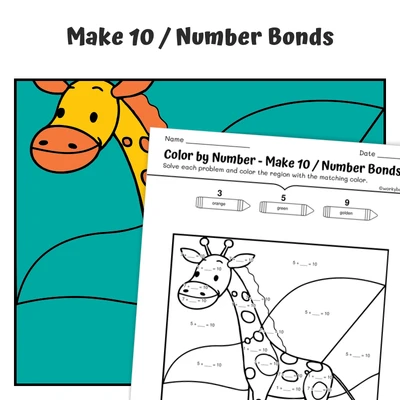
This engaging digital math game helps first graders master addition and subtraction within 20, with special focus on developing fluency within 10. Students practice essential math strategies including counting on, making ten, and decomposing numbers through interactive questions.
The game reinforces critical thinking and number sense while keeping young learners engaged through gamified learning. Perfect for classroom practice, homework, or distance learning.
LEARNING OUTCOMES
- Master addition and subtraction facts within 20
- Develop mental math strategies
- Understand number relationships
- Build mathematical fluency
- Apply various problem-solving techniques
Tags
first grade math, addition and subtraction, number sense, mental math, math fluency, common core math, elementary math games, math practice, number bonds, making ten strategy, counting on, decomposing numbers
Common Core standards covered
Use addition and subtraction within 20 to solve word problems involving situations of adding to, taking from, putting together, taking apart, and comparing, with unknowns in all positions, e.g., by using objects, drawings, and equations with a symbol for the unknown number to represent the problem.1
Apply properties of operations as strategies to add and subtract.2 Examples: If 8 + 3 = 11 is known, then 3 + 8 = 11 is also known. (Commutative property of addition.) To add 2 + 6 + 4, the second two numbers can be added to make a ten, so 2 + 6 + 4 = 2 + 10 = 12. (Associative property of addition.)
Add and subtract within 20, demonstrating fluency for addition and subtraction within 10. Use strategies such as counting on; making ten (e.g., 8 + 6 = 8 + 2 + 4 = 10 + 4 = 14); decomposing a number leading to a ten (e.g., 13 - 4 = 13 - 3 - 1 = 10 - 1 = 9); using the relationship between addition and subtraction (e.g., knowing that 8 + 4 = 12, one knows 12 - 8 = 4); and creating equivalent but easier or known sums (e.g., adding 6 + 7 by creating the known equivalent 6 + 6 + 1 = 12 + 1 = 13).
Perfect for the way you teach
- Engaging classroom centers
- Auto-scored play
- Use as warm-up or review
- Educational screen time
- Replay to build mastery
- Fun, not boring drills
- Hands-on practice
- Self-paced challenge
- Works on any device