

California Condor Conservation
Interactive passage with audio narration, comprehension questions, and printable PDF.
By completing this purchase you agree to our Terms of Use and Privacy Policy. Your subscription renews automatically until you cancel. You can cancel anytime from your account settings. All sales are final and non-refundable. Digital content is available for download in your account immediately upon purchase.
What's included
California Condor Conservation preview and details
About this printable California Condor Conservation science reading passage, NGSS-aligned (Grade 6)
Sample passage and quiz from California Condor Conservation
Reading passage and comprehension quiz preview
Saving the Endangered California Condor
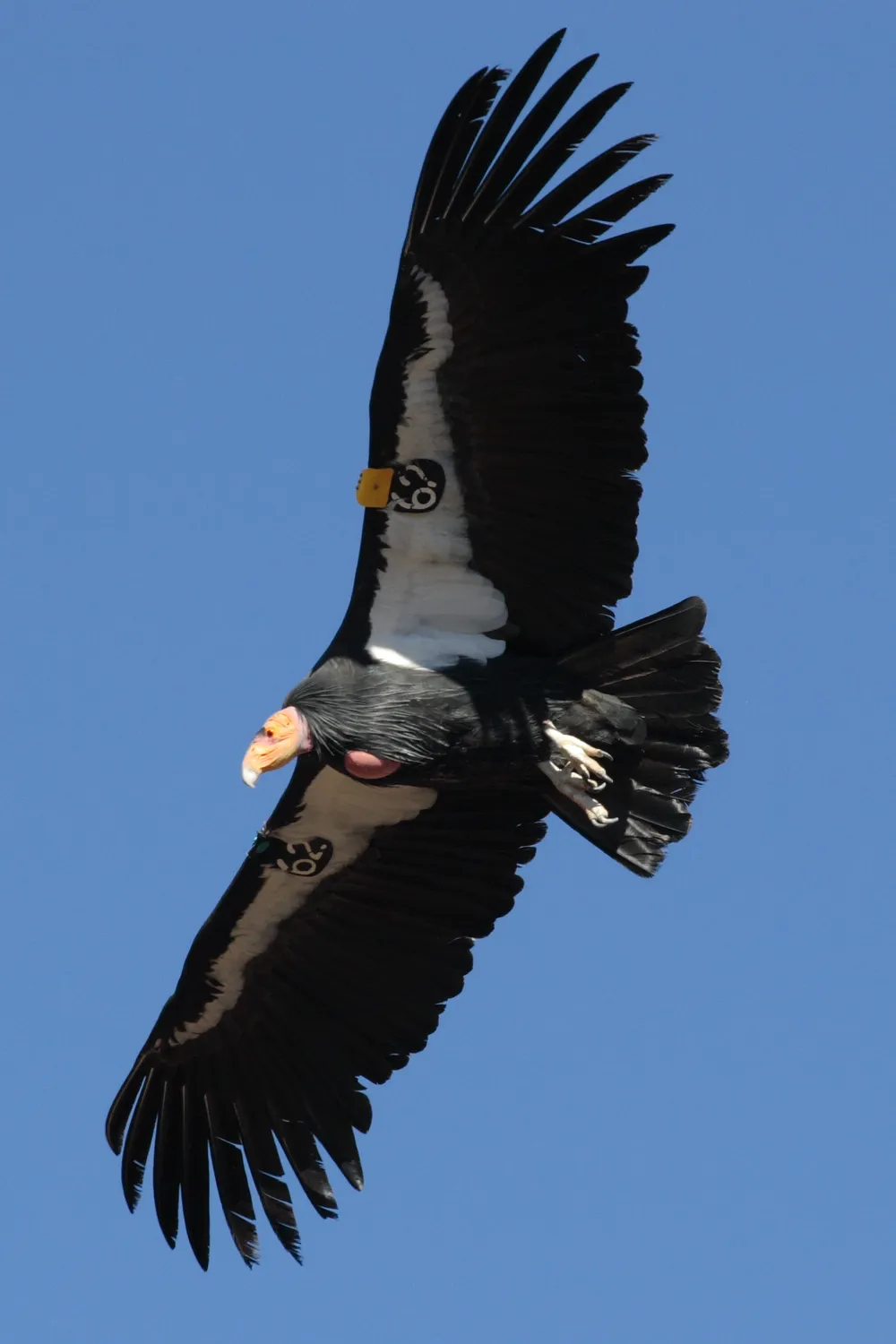
"Condor in flight" by PhilArmitage / Wikimedia Commons.
Imagine a bird with a wingspan as wide as a small car, gliding silently high above the mountains. This magnificent creature is the California Condor, North America's largest land bird. Once, these impressive birds soared across vast stretches of the continent, but by the 1980s, their numbers had dwindled dramatically. They were on the brink of extinction, with fewer than two dozen individuals left in the wild. This critical situation made the California Condor an endangered species – a type of animal or plant at serious risk of disappearing forever.
What caused such a drastic decline? Several factors contributed to their near-extinction. Habitat loss, meaning their natural living areas were destroyed or changed, played a part. But a major threat was lead poisoning. Condors often feed on the carcasses of animals hunted by humans. If these animals were shot with lead bullets, tiny pieces of lead could remain in the meat. When condors ate the poisoned meat, the lead would make them very sick and often kill them. Other dangers included power lines and illegal poaching.
To save the California Condor, a bold plan was put into action: conservation. Conservation means protecting and preserving natural resources and wildlife. In this case, it involved capturing all remaining wild condors and bringing them into captivity, which means they were kept and cared for in zoos and special facilities. Here, scientists started a breeding program. This program focused on helping condors reproduce in a safe environment, away from the dangers of the wild. Chicks hatched in captivity were carefully raised, increasing the total number of condors.
Once the captive-bred condors were strong enough and numerous enough, scientists began to release them back into protected areas of their natural ecosystem in California, Arizona, Utah, and Baja California, Mexico. This process is called reintroduction. Each released condor wears a small tag so researchers can track its movements and health. Efforts are also made to educate hunters about using non-lead ammunition to prevent future poisoning. Thanks to these dedicated efforts, the California Condor population is slowly growing, a remarkable success story in wildlife restoration and a testament to how humans can protect biodiversity. The California Condor is a symbol of hope for other endangered species and shows what can be achieved with dedicated environmental stewardship.
Interesting Fact: A California Condor can live for up to 60 years in the wild, making it one of the longest-living birds in the world.
Comprehension quiz (10 questions)
1. How wide is a California Condor's wingspan?
2. What was the main reason for condor decline?
3. What does an 'endangered species' mean?
4. Why is using non-lead ammunition important?
5. What does 'conservation' aim to do?
6. Releasing condors back is called?
7. What is the purpose of the breeding program?
8. The California Condor population is now stable and does not need further protection efforts.
9. What is the main goal of wildlife restoration?
10. Based on the text, what does 'captivity' mean?
Perfect for the way you teach
- Build comprehension skills
- Auto-graded quiz
- Differentiated reading
- Read together at home
- Improve fluency
- Quiet reading time
- Reading curriculum support
- Independent practice
- Track Lexile growth