Reading Passage

Snow Leopard's Ecosystem Role

Interactive passage with audio narration, comprehension questions, and printable PDF.

No ratings yet|
13
Grades 5–8ElaReadingScienceEnglish · SpanishInteractive · Printable
Aligned toMS-LS4.DRI.6.5RI.7.2RI.8.3

What's included

Reading passage
Audio narration
Comprehension quiz
Writing activity
Glossary & flashcards
Differentiated version
Spanish translation

Snow Leopard's Ecosystem Role preview and details

About this printable Snow Leopard's Ecosystem Role science reading passage, NGSS-aligned (Grades 5-8)

Snow leopards help keep mountain ecosystems healthy. As top predators, they control populations of animals like blue sheep and marmots. Without snow leopards, too many grazing animals would eat all the plants. This would harm other wildlife and even cause soil erosion. The passage shows how everything in nature is connected. When snow leopards leave leftover food, it helps foxes and birds survive. Their home in the mountains also protects important water sources for people. The text explains why scientists call them indicator species - their health tells us about the whole environment's health.
Written by Workybooks TeamPublished by Workybooks
Preview

Sample passage and quiz from Snow Leopard's Ecosystem Role

Reading passage and comprehension quiz preview

Snow Leopard's Ecosystem Role
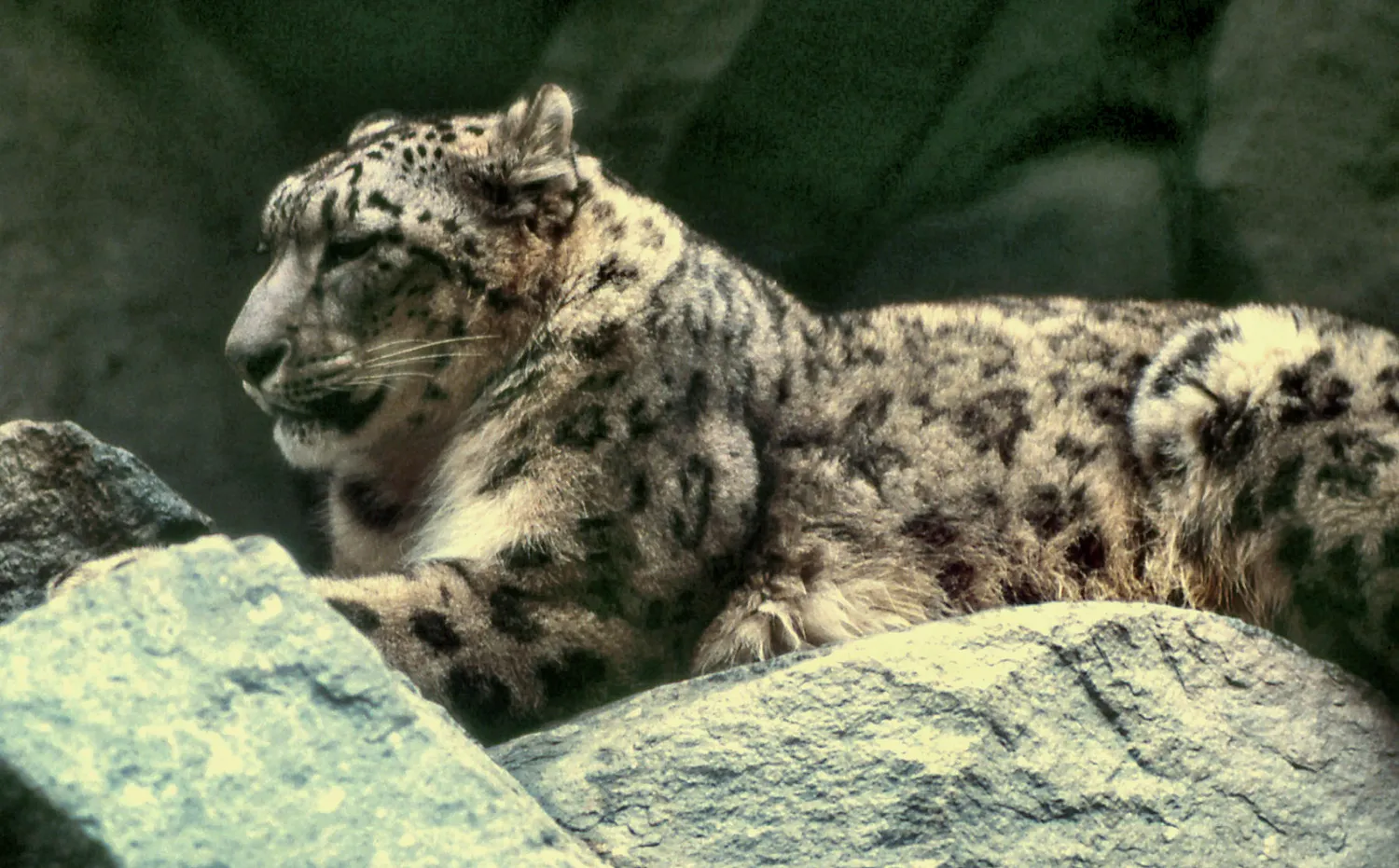
Snow leopard NPS01241

"Snow leopard NPS01241" / Wikimedia Commons.

Snow leopards are apex predators, meaning they are at the top of their food chain. Their presence keeps mountain ecosystems healthy and balanced.


These big cats mainly hunt animals like blue sheep, ibex, and marmots. By controlling these prey populations, snow leopards prevent overgrazing. If there were too many grazing animals, they would eat all the plants, leading to soil erosion and fewer food sources for other wildlife.


Snow leopards also help other species survive. When they leave behind leftover kills, scavengers like foxes, vultures, and even smaller cats get food. Without snow leopards, these animals would struggle to find enough to eat.


Their habitat—high mountain ranges—is also crucial for humans. Many of Asia’s major rivers start in snow leopard territory. Protecting these areas ensures clean water for millions of people.


Losing snow leopards would disrupt the entire ecosystem. Fewer predators could lead to too many grazing animals, damaging plant life and even causing landslides. That’s why scientists call snow leopards an "indicator species"—their health reflects the health of their environment.

Comprehension quiz (8 questions)

1. What is an apex predator?

An animal that only eats plants
A predator at the top of the food chain
An animal that lives underwater
A tiny insect that controls ecosystems

2. How do snow leopards help prevent overgrazing?

By planting seeds
By hunting grazing animals like blue sheep
By scaring away all animals
By melting snow for water

3. Which animals benefit from snow leopards’ leftover kills?

Fish and frogs
Foxes and vultures
Polar bears and penguins
Bees and butterflies

4. Why are snow leopards called an "indicator species"?

Their health shows the health of the ecosystem
They point directions to water sources
They glow in the dark
They migrate every winter

5. What might happen if snow leopards disappeared?

Grazing animals would decrease
Overgrazing could lead to soil erosion
Mountains would grow taller
Rivers would dry up instantly

6. What is the main idea of this passage?

Snow leopards are cute but unimportant
Snow leopards balance mountain ecosystems
Snow leopards harm human farms
Snow leopards only live in zoos

7. How do snow leopards indirectly protect water sources?

By digging wells
By preventing overgrazing that harms rivers
By creating ice with their breath
By swimming in glaciers

8. What does "biodiversity" mean in this passage?

Having only one type of plant
Variety of life in an ecosystem
A snowy mountain range
A tool to measure snow depth
Who it's for

Perfect for the way you teach

Teachers
  • Build comprehension skills
  • Auto-graded quiz
  • Differentiated reading
Parents
  • Read together at home
  • Improve fluency
  • Quiet reading time
Homeschoolers
  • Reading curriculum support
  • Independent practice
  • Track Lexile growth
Topics

Reviews & Ratings

No reviews yet. Be the first to share your experience!

More reading you might love

5 more
Passage
How Can We Help Pollinators and Stop Their Decline? - reading educational content
Grades 7–9

How Can We Help Pollinators and Stop Their Decline?

science · MS-LS2-4+3

$1.50
Passage
How the Cold War Began - reading educational content
Grades 5–8

How the Cold War Began

world history · CA.HSS.10.9+4

$1.50
Passage
Ancient City of Ur - reading educational content
Grades 5–8

Ancient City of Ur

ancient history · HSS 6.2.3+3

$1.50
Passage
Chinese Inventions - reading educational content
Grades 5–8

Chinese Inventions

ancient history · CA HSS 6.6.7+3

Free
Passage
Life as a Hunter-Gatherer - reading educational content
Grades 5–8

Life as a Hunter-Gatherer

ancient history · CA HSS 6.1+4

$1.50
Copyright © 2026 Workybooks. Made with ♥ in California.