

Energy Conservation Law
Interactive passage with audio narration, comprehension questions, and printable PDF.
By completing this purchase you agree to our Terms of Use and Privacy Policy. Your subscription renews automatically until you cancel. You can cancel anytime from your account settings. All sales are final and non-refundable. Digital content is available for download in your account immediately upon purchase.
What's included
Energy Conservation Law preview and details
About this printable Energy Conservation Law science reading passage, NGSS-aligned (Grades 3-5)
Sample passage and quiz from Energy Conservation Law
Reading passage and comprehension quiz preview
Energy Conservation Law
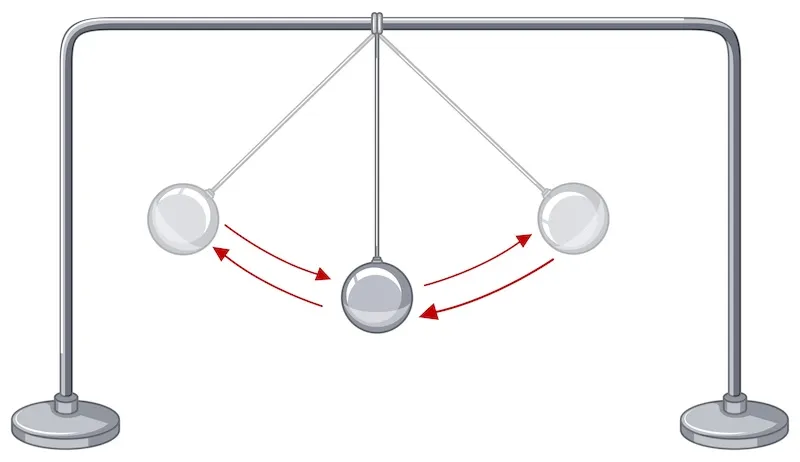
Energy conservation is one of the most important rules in science. It means that energy cannot be created or destroyed—it can only change from one form to another or move from one object to another. Understanding this law helps scientists explain how everything in the universe works, from tiny atoms to huge planets.
Think about what happens when you drop a ball. Before you let go, the ball has potential energy because of its height above the ground. Potential energy is stored energy that an object has because of its position. When you release the ball, that potential energy changes into kinetic energy, which is the energy of motion. As the ball falls faster and faster, more potential energy transforms into kinetic energy.
When the ball hits the ground and bounces back up, something interesting happens. The ball doesn't bounce as high as where you dropped it from. This might seem like energy disappeared, but it didn't! Some of the kinetic energy transformed into other forms. When the ball hit the ground, some energy changed into heat energy, making the ball and ground slightly warmer. Some energy also changed into sound energy—that's the bouncing noise you hear.
If you could measure all the energy—the kinetic energy, potential energy, heat energy, and sound energy—you would find the total amount stays exactly the same. This is called energy transformation, where energy changes from one type to another. The ball keeps bouncing lower each time because more and more energy transforms into heat and sound with each bounce. Eventually, the ball stops bouncing completely, but all the original energy is still there as heat in the ball, the ground, and the air.
Energy transformation happens everywhere around you. When you rub your hands together quickly, kinetic energy from the motion transforms into heat energy, warming your hands. When you turn on a flashlight, chemical energy in the batteries transforms into light energy and heat energy. In each case, energy changes forms, but the total amount never increases or decreases.
The law of energy conservation helps us understand that energy is never lost—it just moves around and changes forms. Scientists use this law to study everything from how cars work to how stars shine. By knowing that the total energy always stays the same, we can predict what will happen in different situations and solve important problems about how energy works in our world.
Comprehension quiz (8 questions)
1. What does energy conservation mean?
2. What is potential energy?
3. Where does energy go when a ball bounces?
4. Why does a ball bounce lower each time?
5. What happens to total energy during transformation?
6. How do scientists use energy conservation law?
7. Energy can be created from nothing.
8. What is kinetic energy?
Perfect for the way you teach
- Build comprehension skills
- Auto-graded quiz
- Differentiated reading
- Read together at home
- Improve fluency
- Quiet reading time
- Reading curriculum support
- Independent practice
- Track Lexile growth