This learning resource is available in interactive and printable formats. The interactive worksheet can be played online and assigned to students. The Printable PDF version can be downloaded and printed for completion by hand.
This audio-integrated science passage for grades 4-5 explores light energy transfer, aligned with NGSS standard 4-PS3-6. Students learn how light energy travels through waves that can move through space and some materials. The passage explains how light waves from the Sun travel to Earth, providing essential energy for plant growth through photosynthesis and warmth for our planet. Students discover how vision works when light energy bounces off objects and travels to our eyes, carrying information about the world around us. Key vocabulary includes light energy, light waves, traveling light, electromagnetic waves, and photosynthesis. Through concrete examples and age-appropriate explanations, students understand the fundamental role of light energy in supporting life on Earth. The passage includes reading comprehension activities, writing prompts, and graphic organizers to reinforce understanding of how light energy transfers from one place to another and transforms into other forms of energy.
CONTENT PREVIEW
Expand content preview
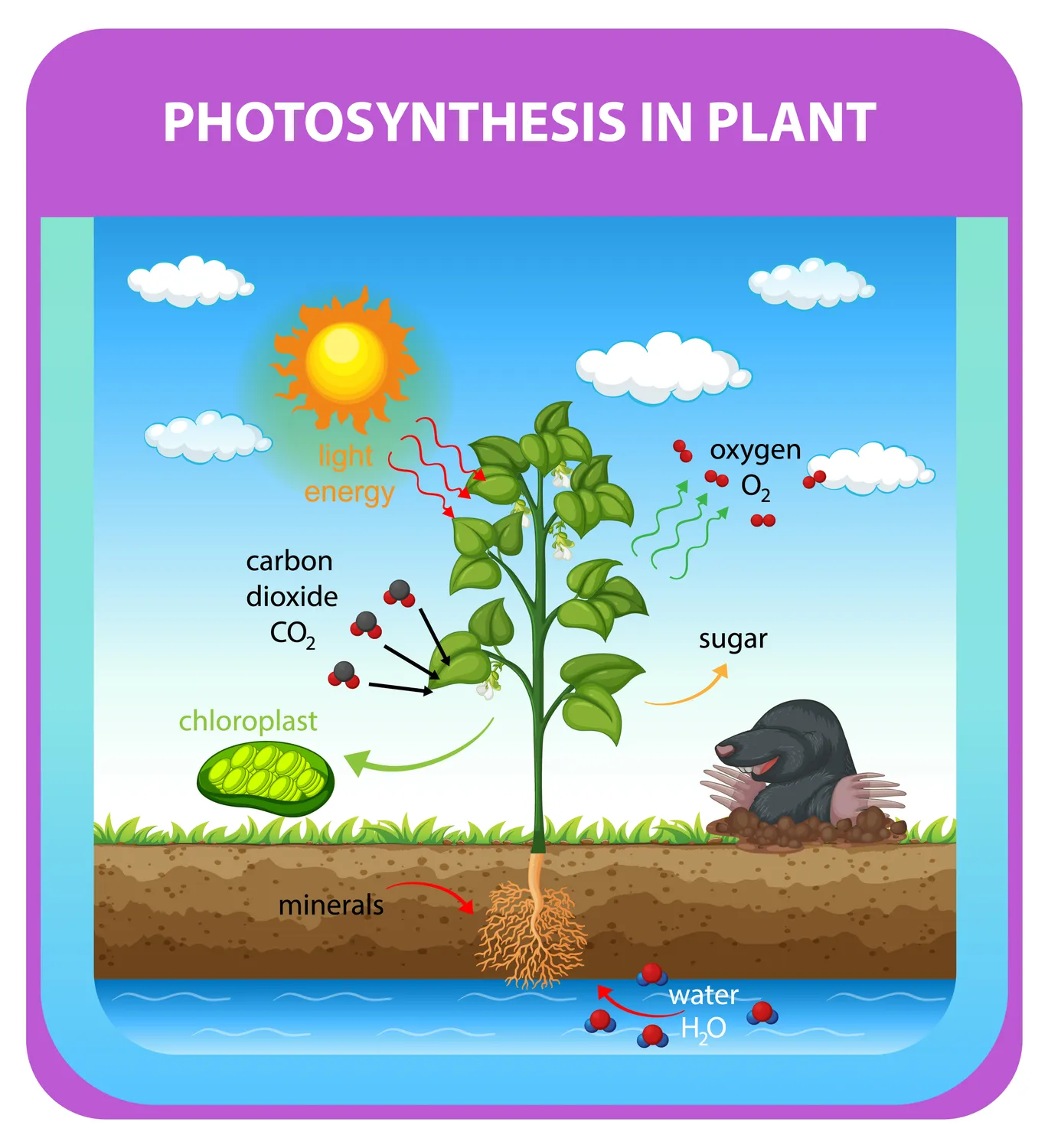
Plants use light energy from the Sun and change it into food energy they can use to grow, a process called photosynthesis. Image Credit Freepik
Light energy is a form of energy that travels in waves and can move through empty space and some materials. Light energy is important because it allows us to see the world around us and provides energy that living things need to survive.
Light travels as electromagnetic waves, which are invisible waves of energy that move very fast. These waves can travel through empty space, which is why sunlight can reach Earth even though there is no air between the Sun and our planet. Light waves can also pass through some materials like glass, water, and air, but they cannot travel through solid objects like walls or books. Think of light waves like ripples moving across a pond, except light waves can travel without needing water or air to carry them.
The Sun is Earth's most important source of light energy. Sunlight travels about 93 million miles through space to reach our planet, and this journey takes only about eight minutes! When the Sun's light energy reaches Earth, it does many important jobs. Plants use light energy from the Sun in a process called photosynthesis, which means they capture the light energy and change it into food energy they can use to grow. Light energy from the Sun also warms the surface of Earth, creating comfortable temperatures for living things.
We can see objects because of how light energy bounces off them. When light hits an object like a red apple, the apple absorbs some of the light energy but reflects, or bounces back, the red light waves. These reflected light waves then travel through the air to your eyes. Your eyes capture this light energy and send signals to your brain, which creates the picture you see. Without light bouncing off objects and traveling to your eyes, you would not be able to see anything at all.
Light energy can change into other forms of energy when it is absorbed. When sunlight hits your skin on a warm day, you feel warmth because light energy has changed into heat energy. Dark-colored objects absorb more light energy than light-colored objects, which is why a black car gets hotter in the Sun than a white car. Solar panels are special devices that capture light energy from the Sun and change it into electrical energy that can power homes and schools.
Light energy transfer is essential for life on Earth. The Sun continuously sends light energy through space to our planet, where it provides warmth, helps plants make food, and allows us to see the beautiful world around us. Understanding how light energy travels and changes helps us appreciate the amazing ways energy moves through our universe.
What are electromagnetic waves?
Visible waves that need air to travelInvisible energy waves that move very fastWaves that only travel through waterSlow-moving waves that carry sound
How long does sunlight take to reach Earth?
About eight secondsAbout eight hoursAbout eight minutesAbout eight days
What is photosynthesis?
When plants absorb water from soilWhen light bounces off plant leavesPlants changing light into food energyThe way plants reflect sunlight
Why can we see a red apple?
The apple makes its own lightRed light waves bounce off itOur eyes create the red colorThe apple absorbs all light waves
Which object absorbs more light energy?
A white car in sunlightA black car in sunlightA clear glass windowA shiny mirror
What do solar panels do?
Reflect all sunlight back to spaceBlock light from reaching the groundChange light into electrical energyStore heat energy for nighttime
Light energy can travel through solid walls.
TrueFalse
What does 'reflect' mean in the passage?
To take in and keep energyTo bounce back light or energyTo create new light wavesTo stop light from moving
Perfect For:
👩🏫 Teachers
• Reading comprehension practice
• Auto-graded assessments
• Literacy skill development
👨👩👧👦 Parents
• Reading practice at home
• Comprehension improvement
• Educational reading time
🏠 Homeschoolers
• Reading curriculum support
• Independent reading practice
• Progress monitoring
Reading Features:
📖
Reading Passage
Engaging fiction or nonfiction text
❓
Comprehension Quiz
Auto-graded questions
📊
Instant Feedback
Immediate results and scoring
📄
Printable Version
Download for offline reading
🔊
Read Aloud
Voice-over with word highlighting
Reviews & Ratings
No reviews yet. Be the first to share your experience!