Reading Passage

Saving Snow Leopards

Interactive passage with audio narration, comprehension questions, and printable PDF.

No ratings yet|
4
Grades 5–8ElaReadingScienceEnglish · SpanishInteractive · Printable
Aligned toMS-ESS3.CRI.6.7RI.7.8RI.8.9

What's included

Reading passage
Audio narration
Comprehension quiz
Writing activity
Glossary & flashcards
Differentiated version
Spanish translation

Saving Snow Leopards preview and details

About this printable Saving Snow Leopards science reading passage, NGSS-aligned (Grades 5-8)

Snow leopards face many threats today. People are building roads and farms in their mountain homes. Some hunt them for fur or because they eat livestock. Climate change is making their habitat warmer too. But there's hope! Scientists are creating protected areas and using GPS collars to study them. Farmers are learning better ways to protect their animals so they won't harm snow leopards. The passage shows how people can help wildlife when they understand the problems. It teaches why protecting snow leopards also helps humans by keeping water sources clean.
Written by Workybooks TeamPublished by Workybooks
Preview

Sample passage and quiz from Saving Snow Leopards

Reading passage and comprehension quiz preview

Saving Snow Leopards
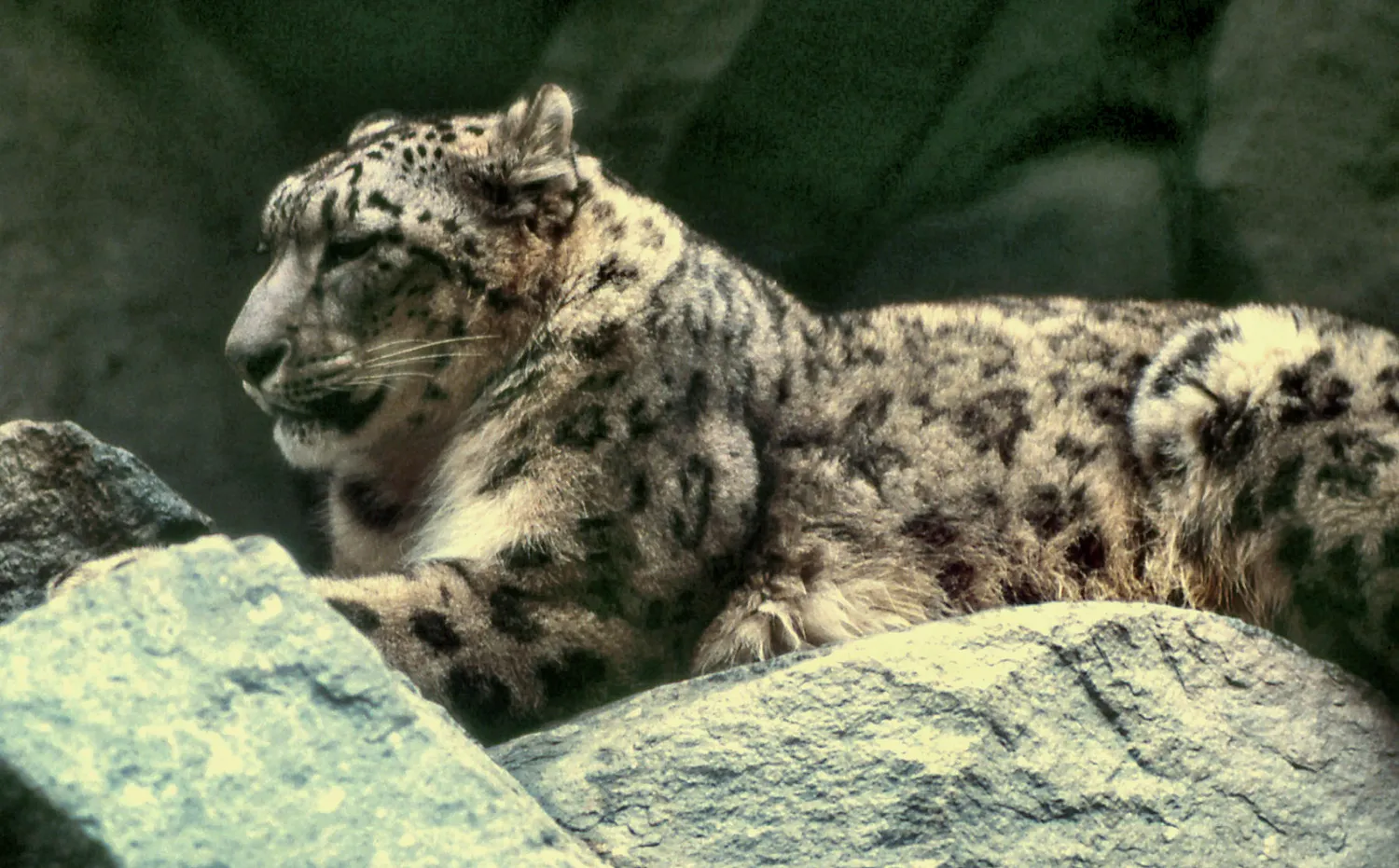
Snow leopard NPS01241

"Snow leopard NPS01241" / Wikimedia Commons.

Snow leopards are endangered, with fewer than 6,500 left in the wild. The biggest threats come from human activities.


One major problem is habitat loss. As people expand farms, roads, and mines into the mountains, snow leopards lose their hunting grounds. Climate change is also melting glaciers and altering their ecosystem, making survival harder.


Another threat is poaching. Snow leopards are illegally hunted for their fur and bones, which are used in traditional medicine. Some herders kill them for attacking livestock, even though snow leopards rarely target farm animals.


Thankfully, conservation efforts are helping. Governments and scientists are creating protected areas where snow leopards can live safely. Some programs train herders to build stronger pens for livestock, reducing conflicts. Others use camera traps and GPS collars to track snow leopards and study their behavior.


Local communities are also getting involved. Eco-tourism projects allow people to see snow leopards responsibly, providing jobs and incentives to protect them. Education programs teach children why these cats matter.


If efforts continue, snow leopards can recover. Protecting them also helps people—by preserving water sources and keeping ecosystems stable. Everyone has a role in saving these majestic "ghosts of the mountains."

Comprehension quiz (8 questions)

1. Why are snow leopards endangered?

They reproduce too quickly
Habitat loss and poaching
They hate cold weather
They only eat poisonous plants

2. How does climate change affect snow leopards?

It makes their fur turn green
It melts glaciers and alters their habitat
It helps them grow larger
It teaches them to swim

3. Why do some herders kill snow leopards?

For attacking livestock
For stealing clothing
For singing loudly at night
For digging up crops

4. What is one conservation effort to protect snow leopards?

Building roads through their habitat
GPS tracking and protected areas
Selling their fur as souvenirs
Feeding them chocolate

5. How does eco-tourism help snow leopards?

By scaring them away from humans
By providing jobs and incentives to protect them
By training them to perform tricks
By moving them to deserts

6. What is the main idea of this passage?

Snow leopards are beyond saving
Human actions threaten snow leopards, but conservation can help
Snow leopards should be kept only in zoos
Climate change has no impact on wildlife

7. What does "poaching" mean in this passage?

Cooking meat over a fire
Illegal hunting of animals
Planting trees in mountains
Measuring snowfall

8. How do stronger livestock pens help snow leopards?

They store food for leopards
They reduce conflicts with herders
They train leopards to farm
They attract more tourists
Who it's for

Perfect for the way you teach

Teachers
  • Build comprehension skills
  • Auto-graded quiz
  • Differentiated reading
Parents
  • Read together at home
  • Improve fluency
  • Quiet reading time
Homeschoolers
  • Reading curriculum support
  • Independent practice
  • Track Lexile growth
Topics

Reviews & Ratings

No reviews yet. Be the first to share your experience!

More reading you might love

1 more
Passage
The Intertropical Convergence Zone (ITCZ): Earth's Weather Belt - reading educational content
Grades 5–8

The Intertropical Convergence Zone (ITCZ): Earth's Weather Belt

science · MS-ESS2-5

Free
Copyright © 2026 Workybooks. Made with ♥ in California.