Selective Breeding and Genetic Engineering
Interactive passage with audio narration, comprehension questions, and printable PDF.
By completing this purchase you agree to our Terms of Use and Privacy Policy. Your subscription renews automatically until you cancel. You can cancel anytime from your account settings. All sales are final and non-refundable. Digital content is available for download in your account immediately upon purchase.
What's included
Selective Breeding and Genetic Engineering preview and details
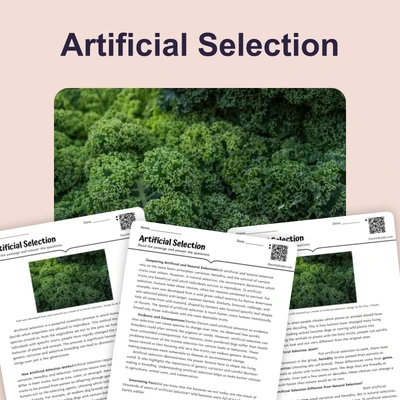
About this printable Selective Breeding and Genetic Engineering science reading passage, NGSS-aligned (Grades 5-8)
Sample passage and quiz from Selective Breeding and Genetic Engineering
Reading passage and comprehension quiz preview
Selective Breeding and Genetic Engineering
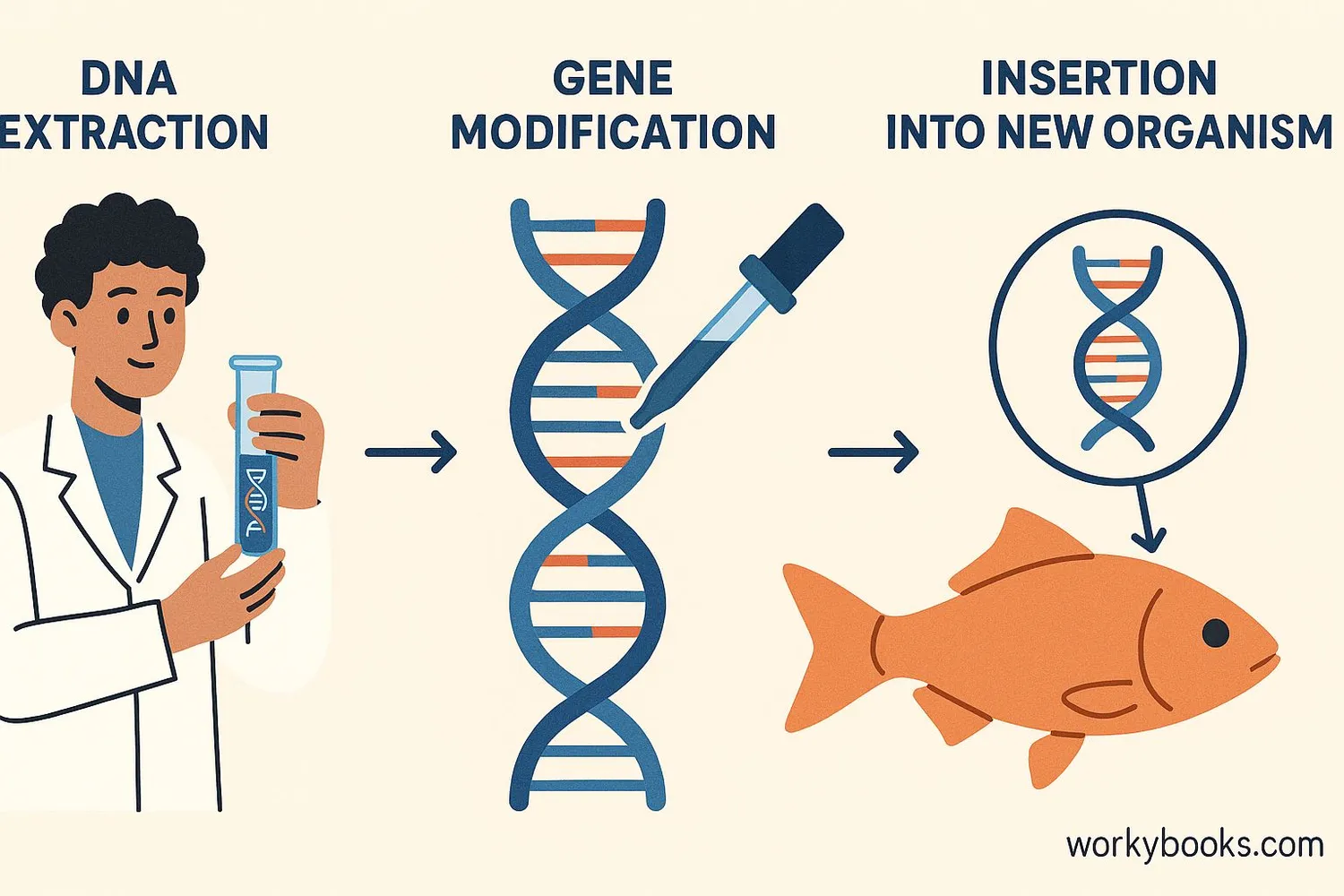
Selective breeding and genetic engineering are two important ways humans have changed plants and animals for thousands of years. These methods impact agriculture, health, and the environment by allowing people to select or directly alter traits in living things. Understanding how these processes work helps explain why our food and medicines look the way they do today, and raises important scientific and ethical questions for the future.
How Selective Breeding and Hybridization Work
Selective breeding, also known as artificial selection, involves choosing plants or animals with desired traits and breeding them over many generations. For example, farmers might select cows that produce more milk or wheat that resists disease. This method relies on existing natural variation within a species. Over time, the chosen traits become more common. Hybridization is a related process where individuals from different varieties, or even different species, are crossed to combine beneficial traits. For instance, hybrid corn is created by crossing two types of corn to increase yield and hardiness. Both methods are slow and depend on chance combinations of genes, but they have transformed agriculture worldwide.
Modern Genetic Engineering and Its Impacts
Genetic engineering is a newer technology that allows scientists to directly modify the DNA of an organism. By using tools like recombinant DNA technology, genes from one species can be inserted into another, creating genetically modified organisms (GMOs). For example, scientists have engineered bacteria to produce human insulin, helping millions with diabetes. Other examples include crops that are resistant to pests and salmon that grow faster than normal. Genetic engineering can achieve results much faster than selective breeding, and can create combinations not possible through traditional methods. However, it also raises concerns about safety, environmental impact, and ethics.
Comparing the Methods: Advantages, Disadvantages, and Debates
Both selective breeding and genetic engineering have advantages and disadvantages. Selective breeding is considered safer and more natural, but it takes many years to produce results and may reduce genetic diversity. Genetic engineering is faster and more precise, but some people worry about unintended consequences, such as effects on other species or the environment. There are also debates about labeling GMO foods and whether humans should "play God" with nature. Despite these concerns, genetic engineering can help address food security by making crops more productive, which is important as the world’s population grows. Scientists continue to study the risks and benefits to guide responsible use.
In summary, selective breeding and genetic engineering are powerful tools that have shaped our food, health, and environment. They show how humans interact with biological systems to meet needs, but also highlight the importance of careful scientific study and ethical decision-making in modern society.
Interesting Fact:
Almost 90% of corn and soybeans grown in the United States are genetically modified to resist pests or herbicides.
Comprehension quiz (10 questions)
1. What is selective breeding?
2. Which technology uses recombinant DNA to create new traits?
3. What is one example of genetic engineering mentioned in the passage?
4. What does hybridization involve?
5. In the passage, what does the word 'variation' mean?
6. Based on the passage, why do some people worry about genetic engineering?
7. How does genetic engineering differ from selective breeding?
8. What is one advantage of using genetic engineering over selective breeding?
9. True or False: Hybridization always creates new species.
10. True or False: Almost 90% of corn and soybeans in the U.S. are genetically modified.
Perfect for the way you teach
- Build comprehension skills
- Auto-graded quiz
- Differentiated reading
- Read together at home
- Improve fluency
- Quiet reading time
- Reading curriculum support
- Independent practice
- Track Lexile growth