Where Do Monarch Butterflies Migrate To?
Interactive passage with audio narration, comprehension questions, and printable PDF.
By completing this purchase you agree to our Terms of Use and Privacy Policy. Your subscription renews automatically until you cancel. You can cancel anytime from your account settings. All sales are final and non-refundable. Digital content is available for download in your account immediately upon purchase.
What's included
Where Do Monarch Butterflies Migrate To? preview and details
About this printable Where Do Monarch Butterflies Migrate To? science reading passage, NGSS-aligned (Grades 3-8)
Sample passage and quiz from Where Do Monarch Butterflies Migrate To?
Reading passage and comprehension quiz preview
Where Do Monarch Butterflies Migrate To?
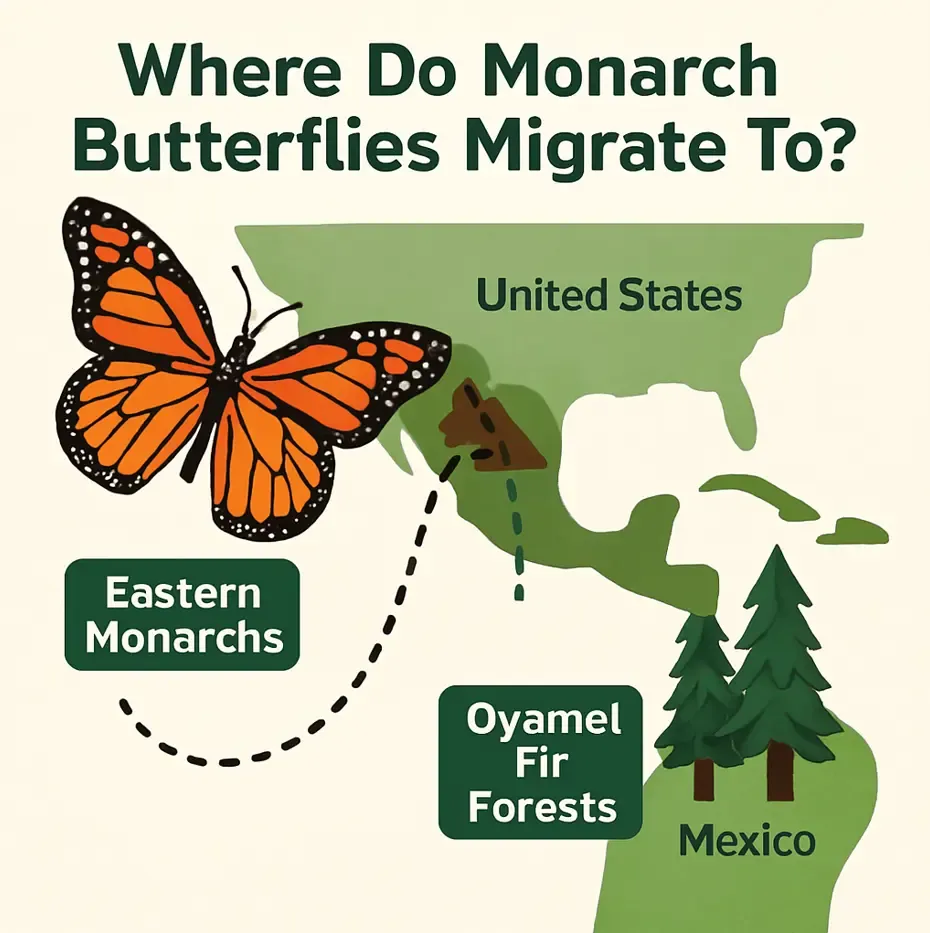
The Monarch butterfly is famous for one of the most incredible migrations in the insect world. Every autumn, millions of these delicate, orange-and-black beauties embark on an epic journey, flying thousands of miles from their summer breeding grounds to specific overwintering sites. But where do Monarch butterflies migrate to? The answer depends on which side of the Rocky Mountains they call home.
Eastern Monarchs, those that breed east of the Rocky Mountains, undertake the longest and most famous leg of this journey. They travel all the way to the high-altitude oyamel fir forests in the mountains of Central Mexico, particularly in the states of Michoacán and México. These specific forest sanctuaries provide a unique microclimate – cool enough to keep them dormant and conserve energy, but warm enough to prevent freezing, along with crucial humidity.
Western Monarchs, which breed west of the Rocky Mountains, have a shorter, though still impressive, migration. They typically travel to coastal areas of California, where they gather in large clusters on eucalyptus and Monterey pine trees. These groves offer similar protective conditions: cool, moist air, and shelter from strong winds.
What makes this migration even more astonishing is that no single butterfly completes the entire round trip. It takes multiple generations throughout the year to cover the vast distances northward, but it's a special "super generation" that makes the long, one-way journey south for the winter. These migratory monarchs must store enough energy to survive the winter and then begin the journey north in the spring to lay eggs for the next generation.
Sadly, these incredible journeys are threatened. Habitat loss at both their breeding grounds (due to pesticide use and lack of milkweed) and their overwintering sites (logging in Mexico, development in California), along with the impacts of climate change, are putting these unique insects at risk. Conservation efforts are crucial to protect these amazing travelers and their essential habitats.
Comprehension quiz (8 questions)
1. Where do Eastern Monarchs migrate for winter?
2. What type of trees do Eastern Monarchs overwinter in?
3. Where do Western Monarchs migrate for winter?
4. What type of trees do Western Monarchs often use?
5. How many generations typically make the full round trip migration?
6. What makes the overwintering sites ideal for monarchs?
7. What is a major threat to Monarch migration?
8. What do Monarch caterpillars exclusively eat?
Perfect for the way you teach
- Build comprehension skills
- Auto-graded quiz
- Differentiated reading
- Read together at home
- Improve fluency
- Quiet reading time
- Reading curriculum support
- Independent practice
- Track Lexile growth