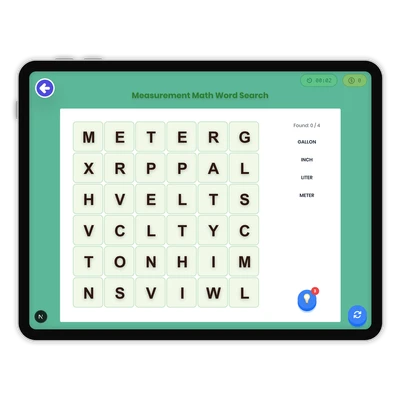
Geometric Measurement Word Search
Interactive game with multiple rounds, auto-scoring, and unlimited replay.
By completing this purchase you agree to our Terms of Use and Privacy Policy. Your subscription renews automatically until you cancel. You can cancel anytime from your account settings. All sales are final and non-refundable. Digital content is available for download in your account immediately upon purchase.
What's included
Geometric Measurement Word Search preview and details
Try the game
About this game
Common Core standards covered
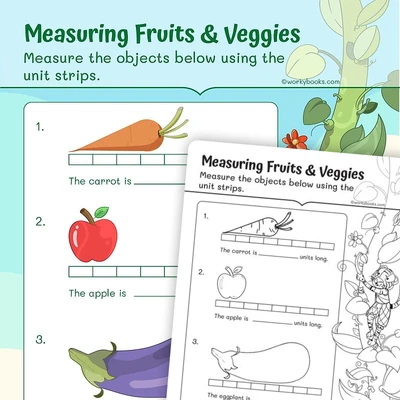
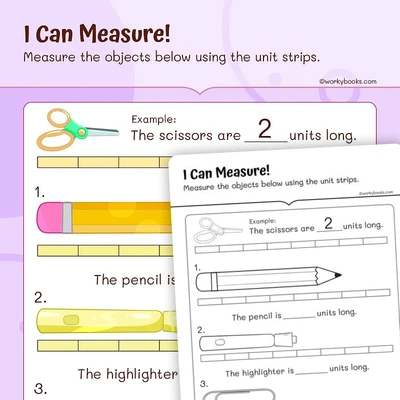
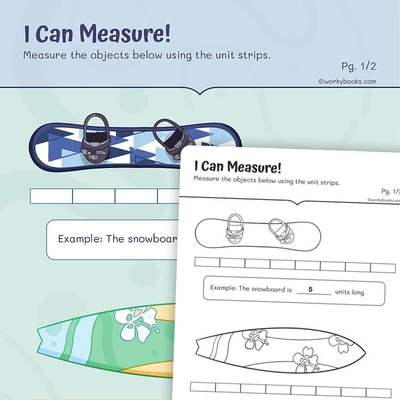
Express the length of an object as a whole number of length units, by laying multiple copies of a shorter object (the length unit) end to end; understand that the length measurement of an object is the number of same-size length units that span it with no gaps or overlaps. Limit to contexts where the object being measured is spanned by a whole number of length units with no gaps or overlaps.
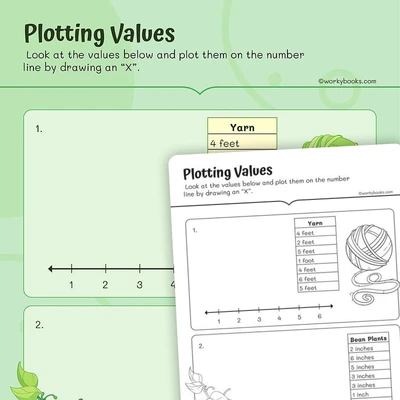
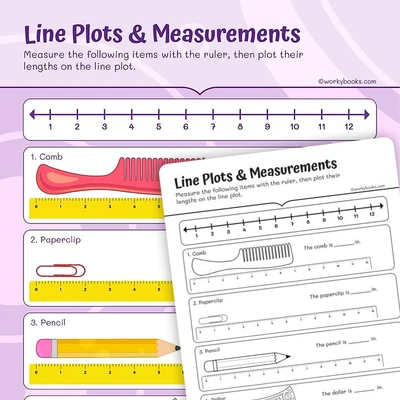
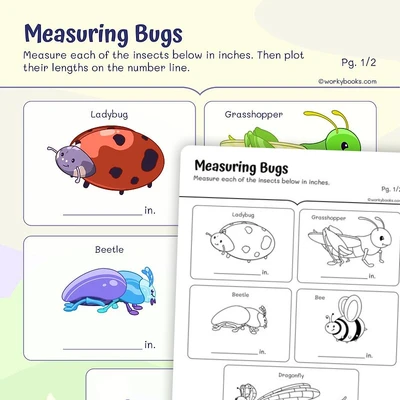
Generate measurement data by measuring lengths of several objects to the nearest whole unit, or by making repeated measurements of the same object. Show the measurements by making a line plot, where the horizontal scale is marked off in whole-number units.
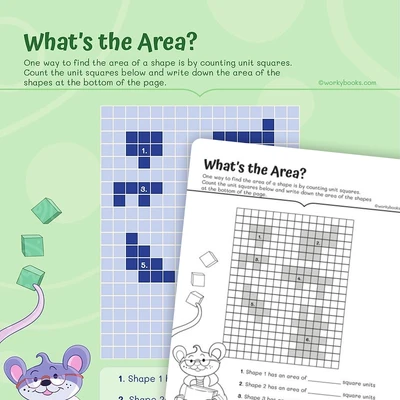
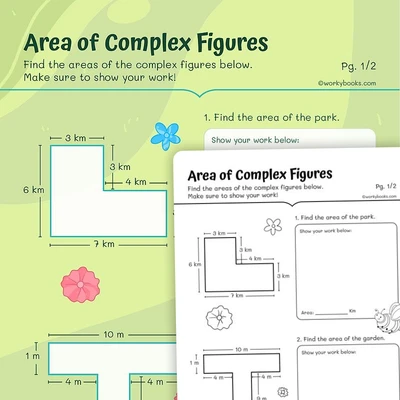
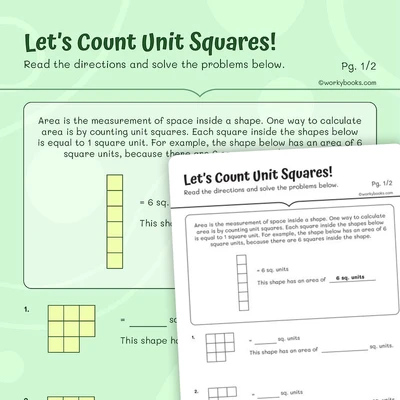
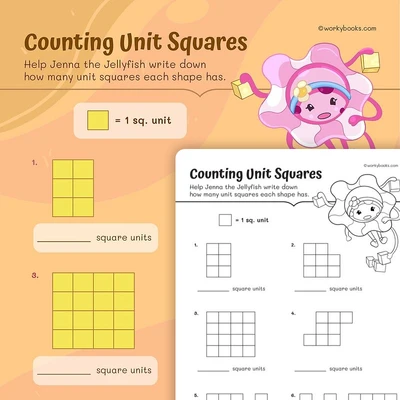
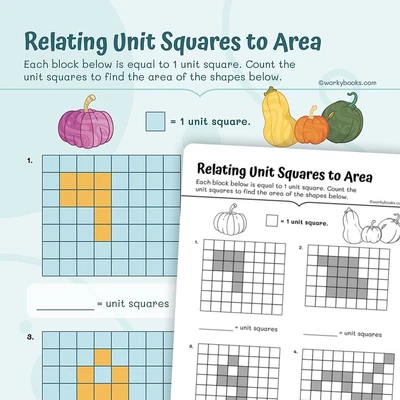
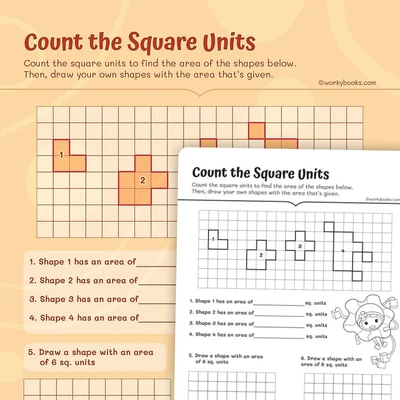
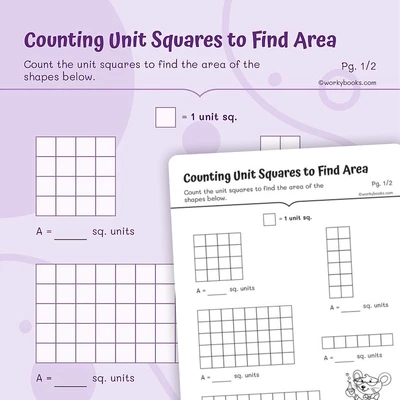
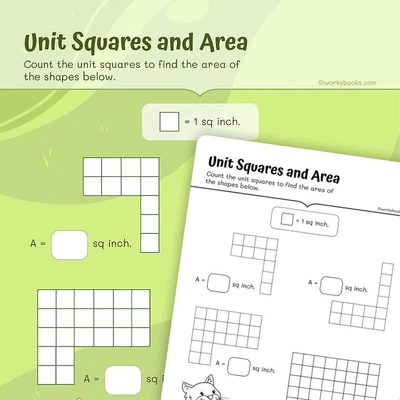
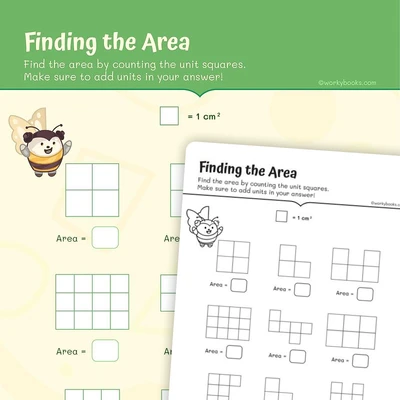
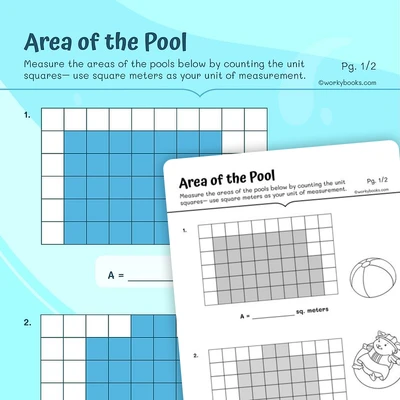
Recognize area as an attribute of plane figures and understand concepts of area measurement.
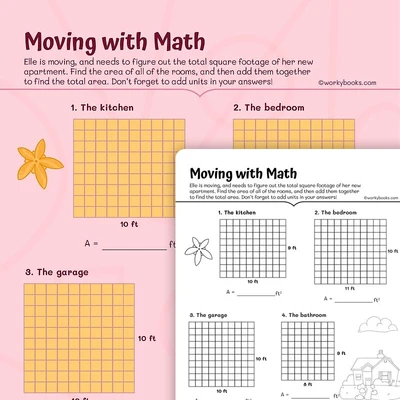
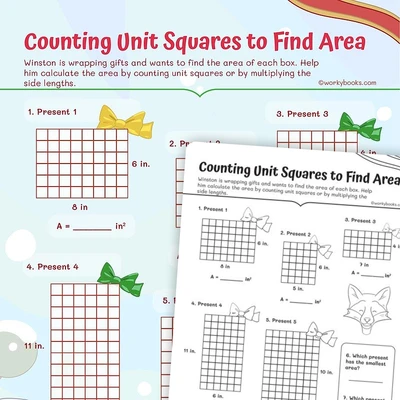
Apply the area and perimeter formulas for rectangles in real world and mathematical problems. For example, find the width of a rectangular room given the area of the flooring and the length, by viewing the area formula as a multiplication equation with an unknown factor.
Recognize volume as an attribute of solid figures and understand concepts of volume measurement.
Directly compare two objects with a measurable attribute in common, to see which object has "more of"/"less of" the attribute, and describe the difference. For example, directly compare the heights of two children and describe one child as taller/shorter.
Perfect for the way you teach
- Engaging classroom centers
- Auto-scored play
- Use as warm-up or review
- Educational screen time
- Replay to build mastery
- Fun, not boring drills
- Hands-on practice
- Self-paced challenge
- Works on any device