Can Animals Predict the Weather? — Reading Comprehension
Rate this
Premium Resource
Present
Present in classroom. No work saved
Assign
Classroom with student accounts, Track progress
Quick Play
No student accounts, assign with a link
Grades
3
4
5
6
7
PRINT+DIGITAL RESOURCE
This learning resource is available in interactive and printable formats. The interactive worksheet can be played online and assigned to students. The Printable PDF version can be downloaded and printed for completion by hand.
This NGSS-aligned reading passage explores how animals might sense changes in the environment before storms or natural disasters. Students learn how animals react to drops in air pressure, humidity, and sound vibrations. Examples include birds flying lower, cows lying down, and sea creatures moving away before tsunamis. The passage highlights how animals may serve as early warning systems and how scientists are studying this behavior. It supports NGSS standard MS-ESS3-2 and promotes science literacy through real-world, observation-based examples from nature.
CONTENT PREVIEW
Expand content preview
For hundreds of years, people have believed that animals can sense changes in the weather before they happen. Farmers, sailors, and even scientists have noticed unusual animal behavior just before storms, earthquakes, or other natural events. But can animals really predict the weather?
Animals may not predict the weather in the way humans do with satellites and forecasts, but they are very sensitive to environmental changes. Some animals can detect shifts in air pressure, humidity, and even sound vibrations that humans cannot feel. These changes often occur just before a storm or natural disaster.
For example, birds may fly lower or stop singing before a storm because falling air pressure makes it harder to fly. Cows often lie down before rain, which some scientists believe could be their way of preserving body heat or feeling pressure changes. Frogs and insects become louder before rainfall, possibly because they are more active in humid air. Dogs and cats may act anxious or restless before thunderstorms because they can hear low-frequency sounds from distant thunder.
Some sea animals, like sharks and dolphins, are thought to sense changes in ocean pressure or magnetic fields before hurricanes or earthquakes. In 2004, it was reported that many wild animals moved to higher ground hours before the Indian Ocean tsunami struck—long before people knew it was coming.
While not every animal reaction is reliable, these behaviors give clues about how closely animals are tuned in to their surroundings. Scientists continue to study animal behavior to learn more about how nature responds to Earth’s forces.
Fun Fact: Some ants seal up their nests before it rains, acting like tiny weather forecasters!
What do animals respond to before weather changes?
Human predictionsTelevision signalsEnvironmental changes like air pressure and humidityChanges in food supply
Why might birds fly lower before a storm?
They are hunting insectsIt’s easier to fly in high pressureFalling air pressure makes it harder to flyThey like being closer to the ground
What do cows often do before it rains?
Moo loudlyLie downWalk in circlesHide in barns
Why do dogs and cats sometimes act anxious before a storm?
They dislike waterThey miss their ownersThey can hear low-frequency sounds from thunderThey are hungry
What might sea animals sense before a natural disaster?
Radio wavesMagnetic fields and water pressureWind directionTemperature of sand
What unusual thing happened before the 2004 tsunami?
Animals ran toward the waterWild animals moved to higher groundPets barked for hoursBirds made nests in trees
What is the main idea of the passage?
Animals don’t react to the weatherSome animals can detect changes in the environment before weather eventsOnly pets predict the weatherAnimal behavior is random
How might scientists use animal behavior in the future?
To train animals for TVTo make better pet toysTo study nature’s early warning signsTo change animal diets
Perfect For:
👩🏫 Teachers
• Reading comprehension practice
• Auto-graded assessments
• Literacy skill development
👨👩👧👦 Parents
• Reading practice at home
• Comprehension improvement
• Educational reading time
🏠 Homeschoolers
• Reading curriculum support
• Independent reading practice
• Progress monitoring
Reading Features:
📖
Reading Passage
Engaging fiction or nonfiction text
❓
Comprehension Quiz
Auto-graded questions
📊
Instant Feedback
Immediate results and scoring
📄
Printable Version
Download for offline reading
🔊
Read Aloud
Voice-over with word highlighting
Reviews & Ratings
No reviews yet. Be the first to share your experience!
Related Content
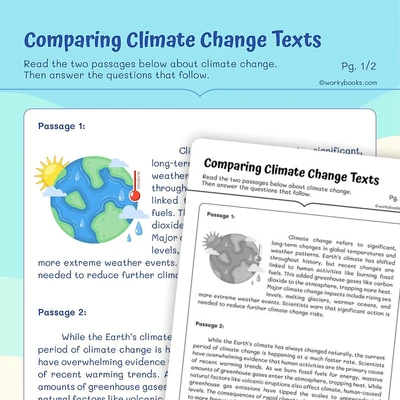
Comparing Weather and Climate Texts
This reading comprehension worksheet has 5th graders read two informational texts about Weather and Climate. Students th...
RI.5.9
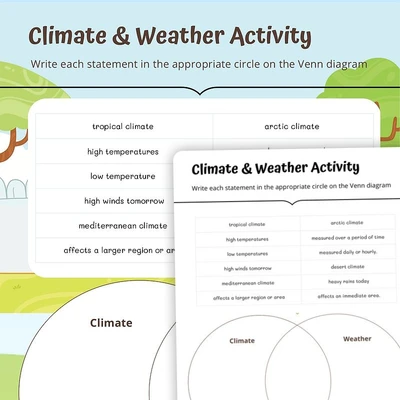
Climate and weather activity
This worksheet is perfect for understanding the differences between climate and weather. Students will read the phrases ...
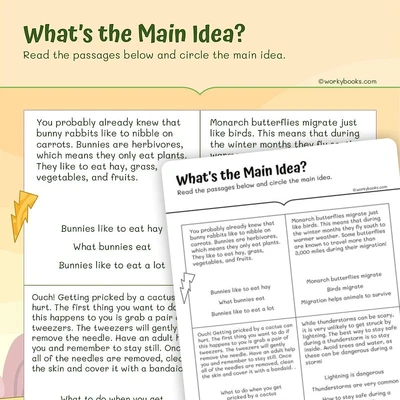
What's The Main Idea?
These short science texts are a great way to practice main idea. Students will read the paragraphs and then choose the m...
RI.2.6
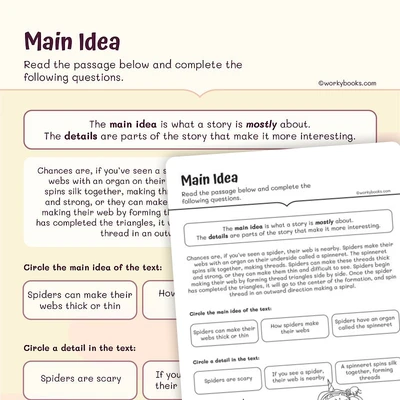
Spider—Main Idea
This informational text on spiders is a great introduction to teaching main idea. Students will be asked, in multiple ch...
RI.3.2RF.3.4RI.3.1RI.2.6
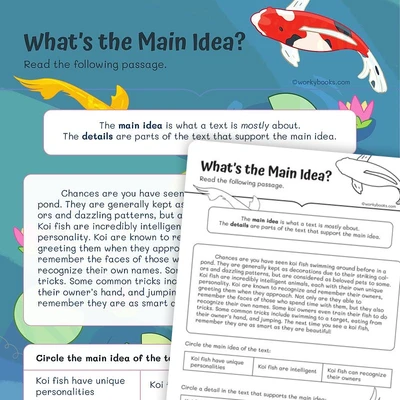
Koi Fish—What’s the Main Idea?
This informational text on koi fish is a great introduction to teaching main idea. Students will be asked, in multiple c...
RI.3.2RF.3.4RI.3.1
What Is Space Weather and How Does It Affect the Earth?
This NGSS-aligned science passage for middle school explains what space weather is and how it affects Earth. Students le...
MS-ESS2-2
Main Idea and Supporting Details in Informational Text
RI.3.1RI.3.2RI.3.8
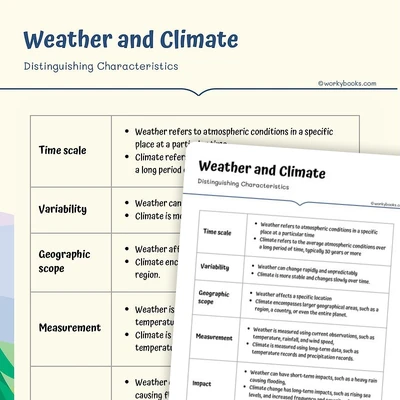
Climate and Weather — Distinguishing Characterstics
This worksheet highlights the differences between climate and weather. The chart format makes comparing and contrasting ...
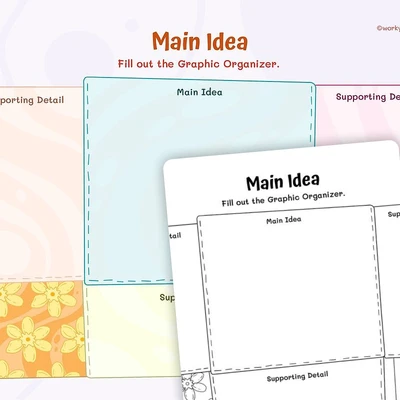
Main Idea and Details Graphic Organizer
This graphic organizer on main idea includes space to write the main idea and three supporting details.
RI.1.2RI.2.2RI.3.2RI.4.2
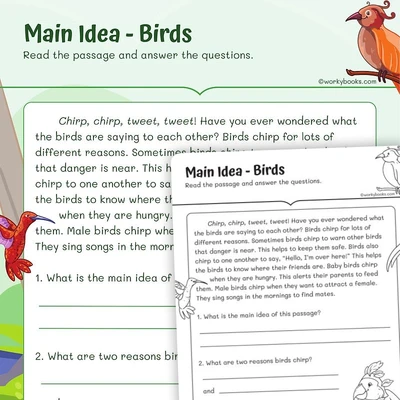
Reading for Main Details—Birds
This informational text on birds is a great way to practice main idea. Students will read the passage, then give the mai...
RI.2.6RI.2.8
Reading for Main Details—Beavers Teeth
This informational text on beavers is a great way to practice main idea. Students will read the passage, then give the m...
RI.2.6RI.2.10
Main Idea and Suporting Details Graphic Organizer
This graphic organizer on main idea includes space to write the main idea and three supporting details.
RI.1.2RI.2.2RI.3.2RI.4.2
Reading for Main Details—Veternarians
Practie summarizing paragraphs with this fun informational text on veternarians! Students will give the main idea of eac...
RI.2.2RI.2.10
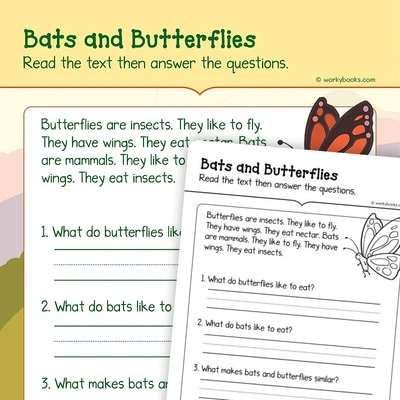
Bats and Butterflies—Informational Text
This informational text on bats and butterflies is a great way to practice spotting similarities between texts. Students...
RI.K.3
Reading for Main Details—Orcas
Practie summarizing paragraphs with this fun science informational text on orcas! Students will give the main idea of ea...
RI.2.2RI.2.10
Main Topic and Paragraph Focus in Informational Text
RI.2.2RI.2.1RI.2.6
Polar Bears and Climate
This informational text on polar bears is a great way to practice reading comprehension. Students will read the passage ...
RI.4.1W.4.72-LS4-1RF.4.4
Penguins— Main Purpose
This informational text on penguins with comprehension questions is a great way to practice reading fluency and main ide...
RI.1.2RI.1.10RF.1.4.ARF.1.4.B
The Moon and the Sun—Informational Text
This informational text on the sun and the moon is a great way to practice spotting similarities between texts. Students...
RI.K.3
What Is The Difference Between Climate Model And Weather Model?
This reading passage delves into the fundamental differences between weather models and climate models, explaining their...