

How Does The Climate Affect Animal Migration Patterns
Interactive passage with audio narration, comprehension questions, and printable PDF.
By completing this purchase you agree to our Terms of Use and Privacy Policy. Your subscription renews automatically until you cancel. You can cancel anytime from your account settings. All sales are final and non-refundable. Digital content is available for download in your account immediately upon purchase.
What's included
How Does The Climate Affect Animal Migration Patterns preview and details
About this printable How Does The Climate Affect Animal Migration Patterns science reading passage, NGSS-aligned (Grade 6)
Sample passage and quiz from How Does The Climate Affect Animal Migration Patterns
Reading passage and comprehension quiz preview
How Does Climate Change Impact Migrating Animals?
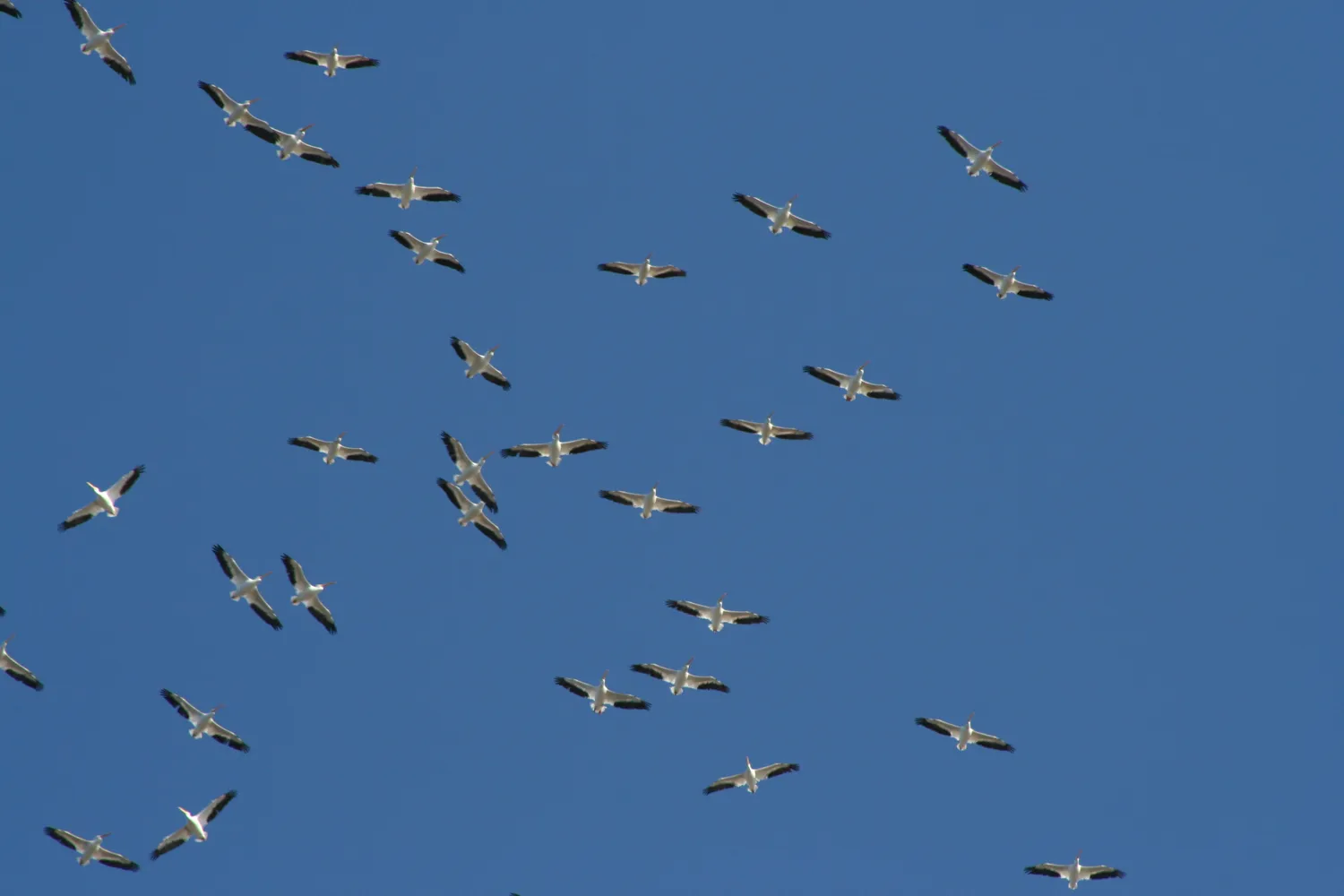
"Pelicans Migrating (11192633926)" by U.S. Fish and Wildlife Service - Midwest Region / Wikimedia Commons.
Have you ever seen a flock of birds flying south for the winter? This amazing journey is called migration. Migration is when animals travel from one place to another, usually with the seasons, to find food, better weather, or safe places to have their young. Many different animals migrate, including birds, fish, insects like monarch butterflies, and even some mammals. These trips are often long and dangerous, but animals have been doing them for thousands of years, following predictable patterns.
However, our planet is facing a big challenge: climate change. Climate change refers to long-term shifts in temperatures and weather patterns. One of the main reasons for this change is global warming, which is the rise in Earth's average temperature, mostly caused by human activities that release gases like carbon dioxide into the air. These gases trap heat, making the planet warmer. This warming is causing big changes in the environment, and it's having a serious impact on migrating animals.
One major impact is on timing. Animals rely on specific cues, like temperature or daylight hours, to know when to start their migration. With climate change, seasons are shifting. For example, spring might arrive earlier, or winter might be milder. If birds start their migration too early, they might arrive at their destination before their food sources, like insects or plants, have appeared. If they arrive too late, they might miss the best breeding opportunities. This mismatch in timing can be very harmful to their populations.
Another problem is changes in habitats. A habitat is the natural home or environment of an animal, plant, or other organism. As temperatures rise, some habitats become too hot or too dry. Ice in polar regions melts, reducing hunting grounds for animals like polar bears. Warmer ocean temperatures can change where fish live, making it harder for animals that feed on them to find food. This means migrating animals might have to travel farther, find new routes, or discover that their traditional stopping points or destinations no longer have the resources they need to survive. These changes put a lot of stress on animals and can lead to fewer offspring or even death.
Consider the monarch butterfly. These tiny insects fly thousands of miles from Canada and the United States to Mexico for the winter. They depend on milkweed plants for their larvae to eat. Climate change can affect the growth of milkweed, or cause extreme weather events like droughts or heavy storms, which can harm both the butterflies and their food supply. Similarly, salmon rely on cold, clean rivers to lay their eggs. Warmer water temperatures can make these rivers unsuitable, affecting their ability to reproduce and impacting their populations.
In summary, climate change is disrupting the delicate balance of ecosystems. By altering temperatures, shifting seasons, and changing habitats, global warming makes it much harder for migrating animals to complete their vital journeys. These changes affect not just individual animals but entire populations, showing how human activities can have far-reaching effects on the natural world. Understanding these impacts is the first step toward finding solutions to protect these incredible creatures and their amazing migrations.
Fun Fact: The Arctic Tern has the longest migration of any bird, flying roughly 49,700 miles (80,000 kilometers) each year from the Arctic to the Antarctic and back!
Comprehension quiz (10 questions)
1. What is migration?
2. What is global warming?
3. How do animals know when to migrate?
4. What happens if spring arrives earlier?
5. How does melting ice affect animals?
6. What do monarch butterflies eat?
7. Why are warmer rivers bad for salmon?
8. What is a main cause of global warming?
9. How might climate change affect animal populations?
10. What is the first step towards solutions?
Perfect for the way you teach
- Build comprehension skills
- Auto-graded quiz
- Differentiated reading
- Read together at home
- Improve fluency
- Quiet reading time
- Reading curriculum support
- Independent practice
- Track Lexile growth