How Temperature Cracks Rocks
Interactive passage with audio narration, comprehension questions, and printable PDF.
By completing this purchase you agree to our Terms of Use and Privacy Policy. Your subscription renews automatically until you cancel. You can cancel anytime from your account settings. All sales are final and non-refundable. Digital content is available for download in your account immediately upon purchase.
What's included
How Temperature Cracks Rocks preview and details
About this printable How Temperature Cracks Rocks science reading passage, NGSS-aligned (Grades 3-5)
Sample passage and quiz from How Temperature Cracks Rocks
Reading passage and comprehension quiz preview
How Temperature Cracks Rocks
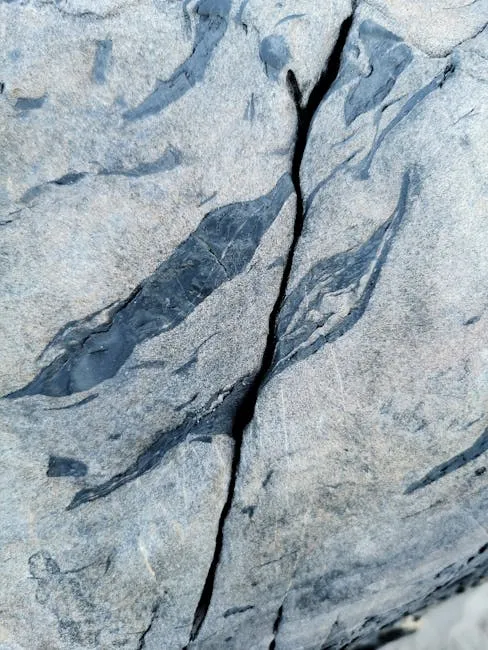
Weathering is the process that breaks rocks into smaller pieces. One important type of weathering happens when temperature changes cause rocks to crack. This process helps shape Earth's surface over long periods of time.
When the sun heats a rock during the day, the rock gets warmer. As it warms up, the outer layer (the outside part of the rock) begins to expand, which means it gets slightly bigger. Think of how a balloon gets bigger when you blow air into it. The rock's outer layer expands in a similar way when heat makes the tiny particles inside move farther apart.
At night, the rock cools down. When this happens, the outer layer contracts, which means it gets smaller again. The particles move closer together, like when a balloon shrinks when air is let out. This expanding and contracting happens over and over again, day after day, year after year.
After many years of expanding and contracting, the outer layer of the rock becomes weak. Eventually, it begins to peel off or crack. In deserts, where days are very hot and nights are very cold, this type of weathering is especially common. The bigger the temperature change, the more the rock expands and contracts, and the faster it breaks apart.
Temperature alone can break rocks without any help from water, ice, or plants. This shows that even in dry places, rocks are constantly changing.
Interesting Fact: Half Dome in Yosemite National Park has smooth, curved sheets of granite that peeled off due to temperature changes over thousands of years!
Comprehension quiz (8 questions)
1. What is weathering?
2. What happens to rocks during the day?
3. Where is temperature weathering especially common?
4. Why do rocks crack over time?
5. What makes rocks break faster?
6. Can temperature alone break rocks?
7. Temperature weathering needs water to work.
8. What does 'contract' mean?
Perfect for the way you teach
- Build comprehension skills
- Auto-graded quiz
- Differentiated reading
- Read together at home
- Improve fluency
- Quiet reading time
- Reading curriculum support
- Independent practice
- Track Lexile growth