This learning resource is available in interactive and printable formats. The interactive worksheet can be played online and assigned to students. The Printable PDF version can be downloaded and printed for completion by hand.
Droughts are long periods with insufficient water, leading to crop failures and water shortages. Conserving water and planning ahead can help communities cope.
CONTENT PREVIEW
Expand content preview
A drought is a long period of time when an area doesn't get enough water. This can happen when there's not enough rain or snow for months or even years. Droughts can affect small areas or entire regions, and they can have serious impacts on people, animals, and the environment.
During a drought, crops may not grow well, leading to food shortages. Rivers and lakes can dry up, making it hard for people and animals to find water. The dry conditions can also increase the risk of wildfires.
People can help conserve water during droughts by using less water at home, like taking shorter showers or not watering lawns. Farmers might plant crops that need less water or use more efficient watering systems.
While droughts can be challenging, they're a natural part of Earth's climate cycle. Scientists study weather patterns to predict droughts and help communities prepare for dry periods.
What is a drought?
A period with too much rainA long period without enough waterA type of stormA season of the year
How can droughts affect crops?
They make crops grow fasterThey may prevent crops from growing wellThey change the color of cropsThey make crops taste better
What can happen to rivers and lakes during a drought?
They can overflowThey can freezeThey can dry upThey can become saltier
How can people conserve water during a drought?
By taking longer showersBy watering their lawns moreBy washing their car every dayBy taking shorter showers and using less water outdoors
What might farmers do during a drought?
Plant more crops that need lots of waterStop farming completelyPlant crops that need less waterWater their crops more often
Why do scientists study weather patterns related to droughts?
To make it rain moreTo predict droughts and help communities prepareTo create more droughtsTo change the weather
Perfect For:
👩🏫 Teachers
• Reading comprehension practice
• Auto-graded assessments
• Literacy skill development
👨👩👧👦 Parents
• Reading practice at home
• Comprehension improvement
• Educational reading time
🏠 Homeschoolers
• Reading curriculum support
• Independent reading practice
• Progress monitoring
Reading Features:
📖
Reading Passage
Engaging fiction or nonfiction text
❓
Comprehension Quiz
Auto-graded questions
📊
Instant Feedback
Immediate results and scoring
📄
Printable Version
Download for offline reading
🔊
Read Aloud
Voice-over with word highlighting
Reviews & Ratings
No reviews yet. Be the first to share your experience!
Related Content
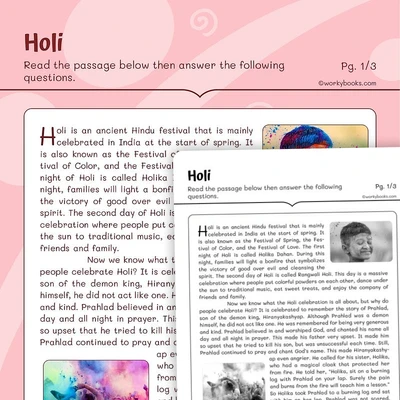
Informational Text on Holi
This informational text on Holi is a great way to teach about this holiday and the story of Prahlad. Comprehension quest...
RI.3.10RF.3.4RF.3.4.ARI.3.1
Informational Text —Meet the Governors
This worksheet will get your students thinking about their state governnor. Included is an informational text on the res...
RI.3.10RF.3.4RF.3.4.ARI.3.1
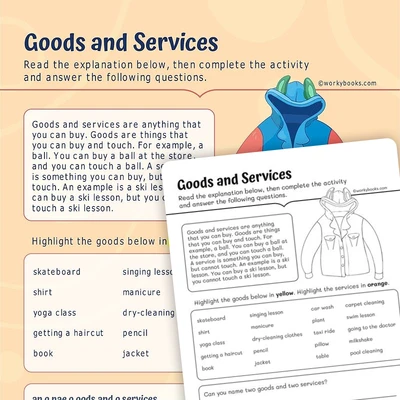
Informational Text on Goods and Services
This short informational text on goods and services will get your students familliar with this concept. Students will re...
RI.3.10RF.3.4RF.3.4.ARI.3.1
Sharks—Informational Text
This informational text on the sharks will teach your students all about these incredible, ancient animals! Free respons...
RI.3.1RI.3.10RF.3.4RI.3.1
Spider—Main Idea
This informational text on spiders is a great introduction to teaching main idea. Students will be asked, in multiple ch...
RI.3.2RF.3.4RI.3.1RI.2.6
Koi Fish—What’s the Main Idea?
This informational text on koi fish is a great introduction to teaching main idea. Students will be asked, in multiple c...
RI.3.2RF.3.4RI.3.1
Informational Text — Cloud Gazing
This informational text teaches students how different types of clouds are formed. A page with pictures of the different...
RI.3.10RF.3.4RF.3.4.ARI.3.1
Informational Text —Bioluminescence
This informational text on bioluminescence will teach your students about this phenomenon. Examples in nature are provid...
RI.3.10RF.3.4RF.3.4.ARI.3.1
Informational Text —Learn About Dinosaurs
This informational text on dinosaurs with comprehension questions to follow is perfect for teaching main idea. Students ...
RF.3.4RF.3.4.ARF.3.4.CRI.3.2
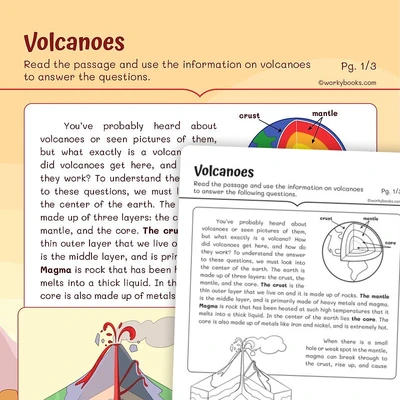
Informational Text —Volcanoes
This informational text teaches students about the formation and eruptions of volcanoes. Comprehension questions follow ...
RI.3.7RI.3.1RI.3.3RI.3.10
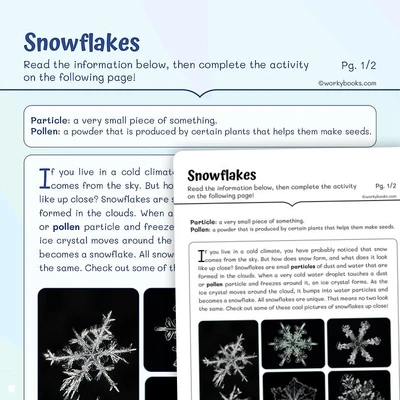
Informational Text —Snowflakes
This informational text on snowflakes will teach your students how snowflakes are formed. Images of several different fl...
RI.3.10RF.3.4RF.3.4.ARI.3.1
Reading Comprehension: The Grand Canyon
This informational text on the Grand Canyon will teach your students all about this incredible wonder of the world! Free...
RI.3.1RI.3.10RI.3.4RF.3.4
The Butterfly Life Cycle
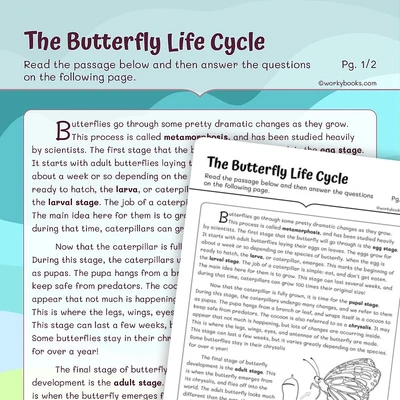
This informational text on the butterfly lifecycle is perfect for learning how to follow steps in a scientific text. Stu...
RF.3.4RF.3.4.ARI.3.1RI.3.3
Carnivores, Herbivores, and Omnivores
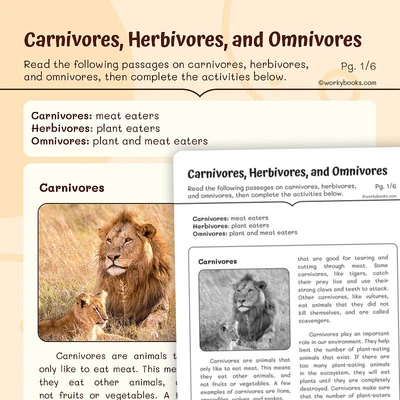
This informational text on herbivores, omnivores, and carnivores is the perfect resource for comparing and contrasting ...
RI.3.10RI.3.9RI.3.1RF.3.4
Comparing Non-Fiction texts—All About Dolphins
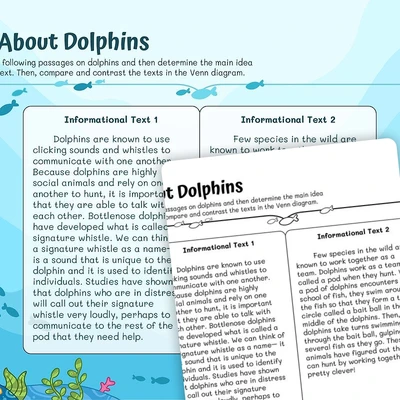
This informational text on dolphins is the perfect resource for teaching compare and contrast. Students will read two s...
RI.3.9RF.3.4RF.3.4.ARI.3.1
PB Sandwich—Event Sequencing
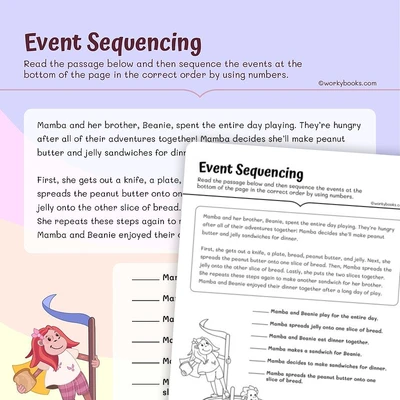
This worksheet on event sequencing provides a short story that is in the correct chronological order. A jumbled up versi...
RL.3.3RI.3.1RL.3.3
Snorkeling & Scuba Diving
RI.2.2RI.2.6RI.2.10RF.2.4.A
Reading Comprehension— Storms
Practie summarizing paragraphs with this fun science informational text on storms! Students will give the main idea of t...