

Rusting Is Chemical Change
Interactive passage with audio narration, comprehension questions, and printable PDF.
By completing this purchase you agree to our Terms of Use and Privacy Policy. Your subscription renews automatically until you cancel. You can cancel anytime from your account settings. All sales are final and non-refundable. Digital content is available for download in your account immediately upon purchase.
What's included
Rusting Is Chemical Change preview and details
About this printable Rusting Is Chemical Change science reading passage, NGSS-aligned (Grades 4-6)
Sample passage and quiz from Rusting Is Chemical Change
Reading passage and comprehension quiz preview
Rusting Is Chemical Change
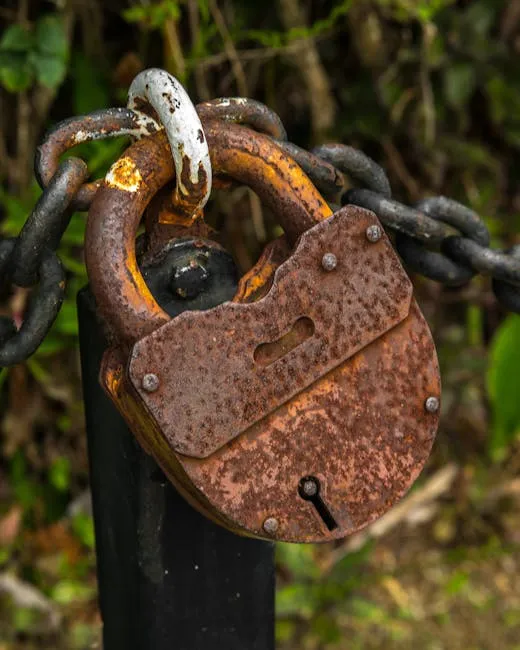
Rusty padlock. Rusting is a slow chemical change that can take days, weeks, or even months depending on conditions. Image credit: Lyncoln Miller / Pexels.
Rusting is a chemical change that happens when iron combines with oxygen and water. A chemical change is when one or more substances turn into completely new substances with different properties. Understanding rusting helps us protect important metal objects like cars, bridges, and tools from damage.
When a piece of iron is left outside in wet conditions, it slowly begins to rust. The iron reacts, or combines chemically, with oxygen from the air and water from rain or moisture. This reaction creates a new substance called iron oxide, which is the scientific name for rust. Iron oxide has completely different properties than the original iron metal.
The properties of rust are very different from iron. Shiny, strong iron becomes dull, reddish-brown rust. Iron is solid and hard, but rust is flaky and crumbles easily. You can think of it like baking a cake—once you mix flour, eggs, and sugar and bake them, you cannot get those original ingredients back. The cake is a new substance. Similarly, once iron becomes rust, you cannot easily change it back to iron.
Rusting is a slow chemical change that can take days, weeks, or even months depending on conditions. More water and oxygen make rusting happen faster. That is why bikes left outside in the rain rust more quickly than bikes kept in a dry garage. The rust makes the metal weaker and can cause it to break apart over time.
People try to prevent rusting because it damages valuable metal objects. Painting metal creates a barrier that keeps oxygen and water away from the iron. Some metals, like stainless steel, have other elements mixed in that resist rusting. Understanding this chemical change helps engineers design longer-lasting bridges, buildings, and vehicles.
Interesting Fact: The Statue of Liberty is not rusty brown—it is green! The statue is made of copper, not iron, and when copper reacts with oxygen and water, it forms a green substance called patina instead of rust.
Comprehension quiz (8 questions)
1. What is the scientific name for rust?
2. What two things combine with iron to make rust?
3. How is rust different from iron?
4. Why do bikes rust faster in rain than in garages?
5. How does paint prevent rusting?
6. What would happen if a metal bridge rusted completely?
7. Rusting can be reversed easily back to iron.
8. What does the word 'reacts' mean in this passage?
Perfect for the way you teach
- Build comprehension skills
- Auto-graded quiz
- Differentiated reading
- Read together at home
- Improve fluency
- Quiet reading time
- Reading curriculum support
- Independent practice
- Track Lexile growth