What Is Morse Code
Interactive passage with audio narration, comprehension questions, and printable PDF.
By completing this purchase you agree to our Terms of Use and Privacy Policy. Your subscription renews automatically until you cancel. You can cancel anytime from your account settings. All sales are final and non-refundable. Digital content is available for download in your account immediately upon purchase.
What's included
What Is Morse Code preview and details
About this printable What Is Morse Code science reading passage, NGSS-aligned (Grades 3-5)
Sample passage and quiz from What Is Morse Code
Reading passage and comprehension quiz preview
What Is Morse Code
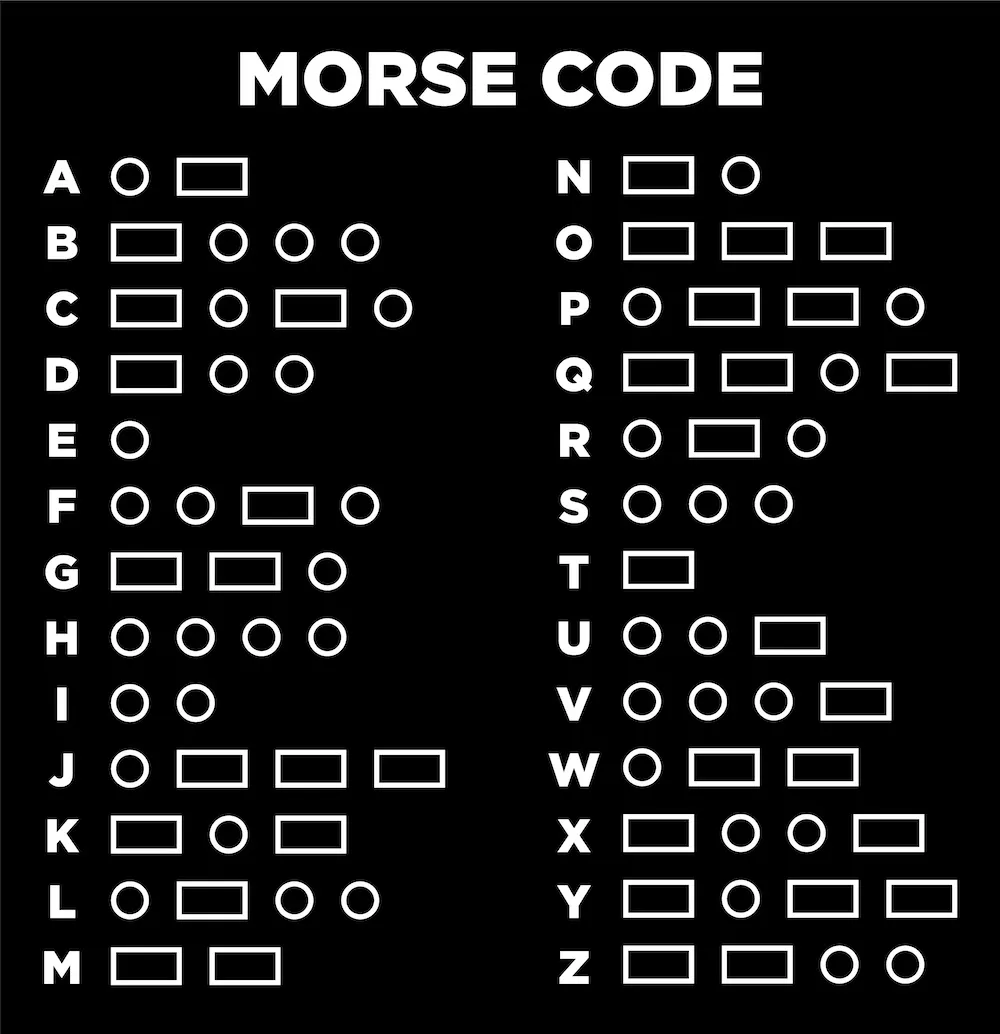
Morse code is a system that uses patterns of dots and dashes to send messages. A code is a way to turn information into symbols that others can understand. In the 1830s, Samuel Morse invented this code to help people communicate over long distances using a machine called a telegraph.
Each letter of the alphabet has its own unique pattern in Morse code. For example, the letter "A" is dot-dash, and the letter "B" is dash-dot-dot-dot. The letter "E" is just one dot because it is used so often in English. By combining these simple patterns, people could send complex messages.
Morse code works by sending signals using sound or light. A telegraph machine makes clicking sounds—short clicks for dots and longer clicks for dashes. Ships at sea used flashing lights to send Morse code messages to each other. Even today, pilots and sailors learn Morse code for emergencies. The famous distress signal "SOS" is dot-dot-dot, dash-dash-dash, dot-dot-dot.
This system shows how patterns can carry information. Just like how musical notes create songs, dots and dashes create words. Before telephones, Morse code was the fastest way to send news across the country. Telegraph operators could send messages in minutes that would have taken days by mail. Morse code proves that even simple patterns can communicate complicated ideas.
Comprehension quiz (8 questions)
1. Who invented Morse code?
2. What does Morse code use to send messages?
3. What is the letter E in Morse code?
4. Why can Morse code send complex messages?
5. How did ships use Morse code at sea?
6. What does the SOS signal mean?
7. Morse code was faster than mail delivery.
8. What is a code?
Perfect for the way you teach
- Build comprehension skills
- Auto-graded quiz
- Differentiated reading
- Read together at home
- Improve fluency
- Quiet reading time
- Reading curriculum support
- Independent practice
- Track Lexile growth