How Heat Travels Without Touching
Interactive passage with audio narration, comprehension questions, and printable PDF.
By completing this purchase you agree to our Terms of Use and Privacy Policy. Your subscription renews automatically until you cancel. You can cancel anytime from your account settings. All sales are final and non-refundable. Digital content is available for download in your account immediately upon purchase.
What's included
How Heat Travels Without Touching preview and details
About this printable How Heat Travels Without Touching science reading passage, NGSS-aligned (Grades 3-5)
Sample passage and quiz from How Heat Travels Without Touching
Reading passage and comprehension quiz preview
How Heat Travels Without Touching
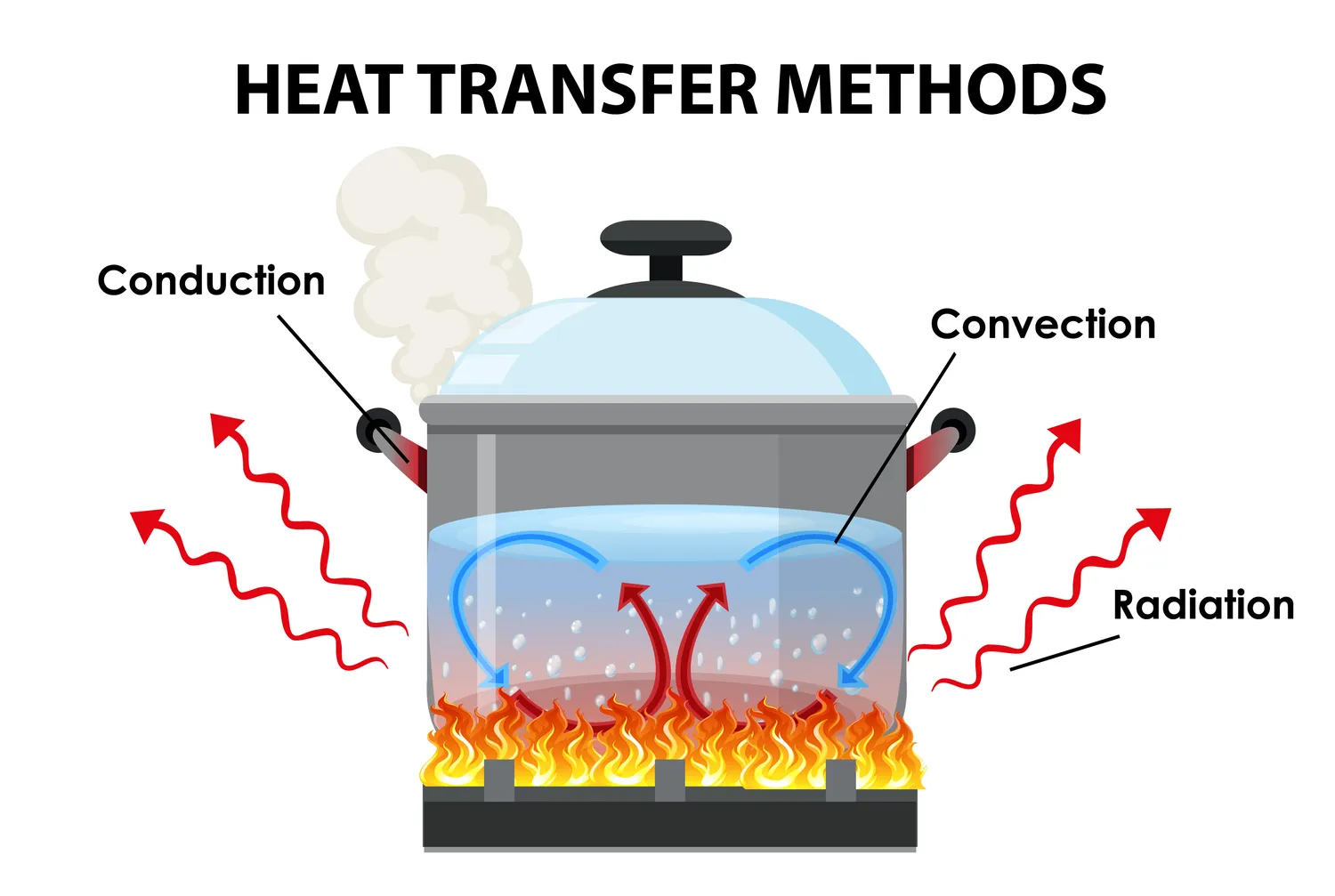
Heat is a form of energy that can move from one place to another. Heat can travel in different ways, and one special way doesn't need objects to touch each other at all. This type of heat transfer helps warm our planet and makes life on Earth possible.
When you stand outside on a sunny day, you feel warmth on your face. The sun is about 93 million miles away from Earth, yet its heat reaches you. Heat travels from the sun through empty space to reach our planet. There is no air or material between the sun and Earth for most of that journey, but the heat still arrives. This happens because heat can move as invisible energy waves, similar to how light travels.
You can observe this same type of heat transfer near a campfire. When you sit a few feet away from the flames, you feel warm even though you're not touching the fire. The heat travels through the air as energy waves to reach your skin. The closer you are to the fire, the more heat energy reaches you, and the warmer you feel.
This way of heat traveling is different from when you touch a hot pan and feel heat move into your hand. It's also different from when warm air rises and cool air sinks. Instead, heat moves as energy that can travel through air, through empty space, and even through some materials. Understanding how heat travels without touching helps explain why we feel the sun's warmth and why we can warm ourselves by a fire without getting too close.
Comprehension quiz (8 questions)
1. What is heat?
2. How far is the sun from Earth?
3. What travels from the sun to Earth?
4. Why do you feel warmer near a campfire?
5. How does heat travel through empty space?
6. What happens when you sit near a fire?
7. Heat can only travel by touching objects.
8. What does transfer mean in this passage?
Perfect for the way you teach
- Build comprehension skills
- Auto-graded quiz
- Differentiated reading
- Read together at home
- Improve fluency
- Quiet reading time
- Reading curriculum support
- Independent practice
- Track Lexile growth