6th Grade Ancient History Curriculum
Educators and homeschool parents, are you spending your nights searching for “Mesopotamia worksheets PDF” or scrambling to plan “Ancient Greece activities for middle school”? This guide breaks down exactly what makes an effective 6th grade ancient history curriculum and helps you find a resource that will truly serve your students.
Workybooks has developed a complete 6th grade history curriculum—a year-long world history bundle. This isn’t just a collection of resources; it’s a structured pathway through the foundational ancient civilizationsthat shaped our world.
Why 6th Grade Is the Perfect Time for Ancient History
Sixth graders are old enough to grasp complex concepts like trade networks, religious beliefs, and governmental systems, yet still young enough to find genuine wonder in stories of pharaohs, gladiators, and philosophers.A well-designed ancient civilizations curriculum meets students exactly where they are, challenging their critical thinking. At the same time fuels their natural curiosity about how people lived thousands of years ago.
Most state standards place world history and ancient civilizations squarely in the sixth grade for good reason. Students at this age can begin making meaningful connections between the past and present. They can compare how different societies solved similar problems and understand that history is more than just dates.
Ancient History Essential Units: From Mesopotamia to Rome
This comprehensive history bundle is organized into focused, engaging ancient history lessons. Each unit is packed with differentiated history passages, interactive activities, and printable worksheets to meet diverse learners right where they are.
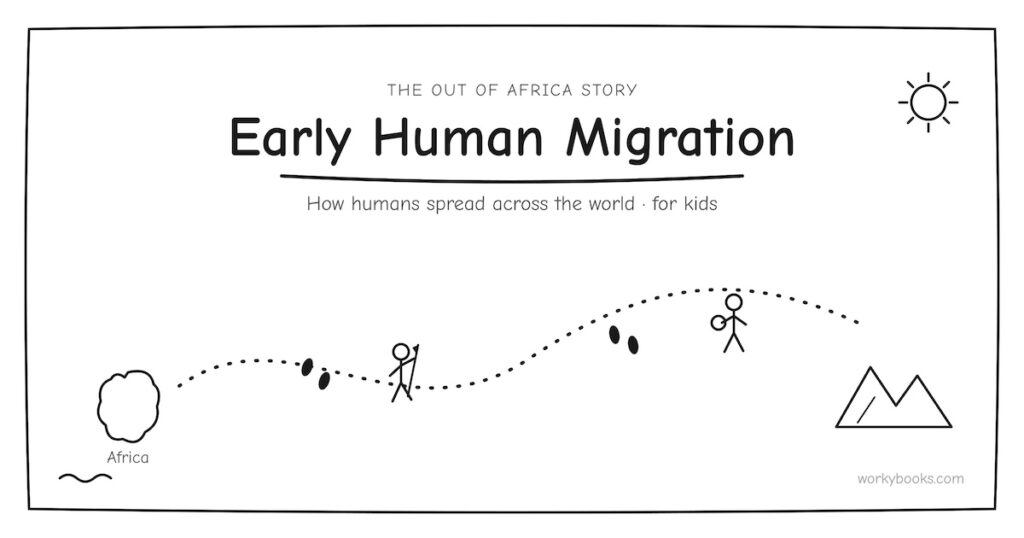
Early Humans and the Stone Age form the foundation of any ancient history course. Students need to understand how early humans migrated, developed tools, and eventually transitioned from hunting and gathering to agriculture. This context makes everything that follows more meaningful.
Mesopotamia introduce students to the concept of civilization itself. Here they encounter the first cities, the invention of writing, early law codes, and the development of organized religion. Mesopotamia reading passages should help students analyze primary sources, like excerpts from the Code of Hammurabi. They should also help students understand why this region earned the title “cradle of civilization.”
Ancient Egypt is often students’ favorite unit, and engaging ancient history lessons take full advantage of this built-in enthusiasm. Beyond pyramids and mummies, students should explore Egyptian religion, social hierarchy, the importance of the Nile, and the remarkable longevity of Egyptian civilization. An effective Ancient Egypt unit for 6th grade connects these elements to show how geography, beliefs, and governance created a society that lasted three thousand years.
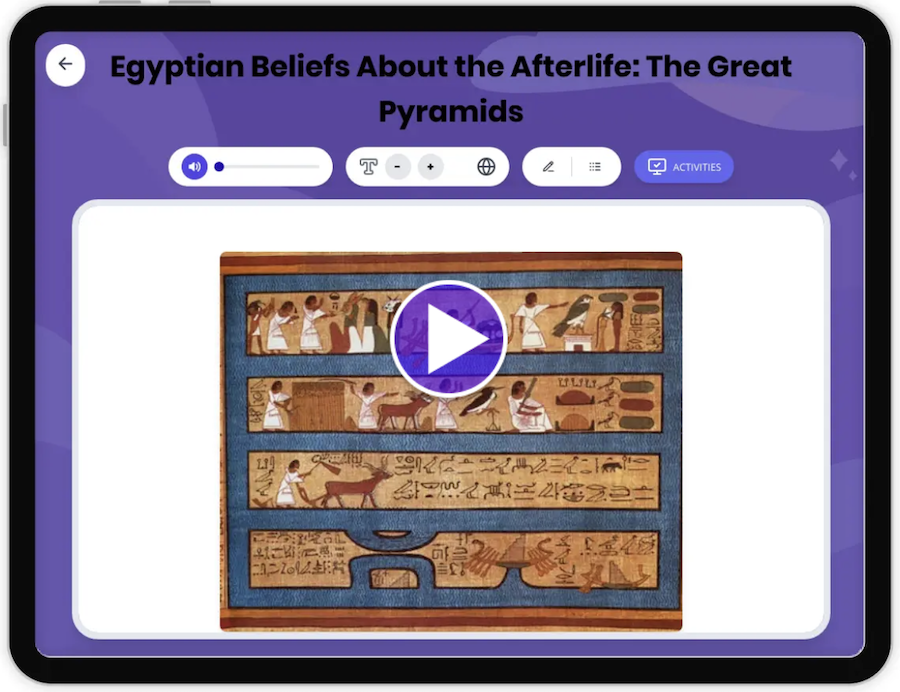
Kush and Nubia deserve more attention than many curricula provide. These African kingdoms were not simply neighbors to Egypt—they were powerful civilizations in their own right. They possessed distinct cultures and impressive achievements, and maintained complex relationships with their northern neighbor. Including these often-overlooked societies gives students a more accurate and complete picture of the ancient world.
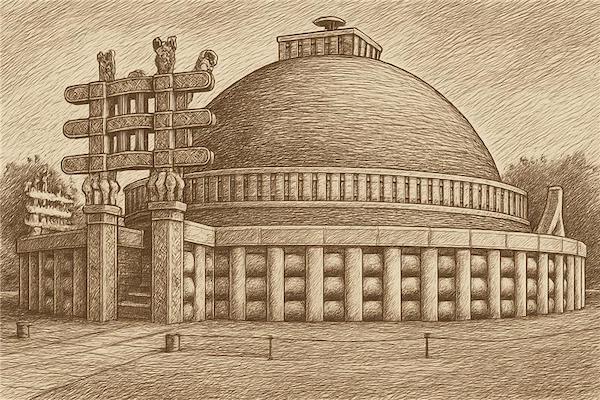
Ancient India introduces students to the Indus Valley civilization, the development of Hinduism and Buddhism, the caste system, and remarkable achievements in mathematics, astronomy, and urban planning. Students often find the philosophical questions raised by Indian religions fascinating.
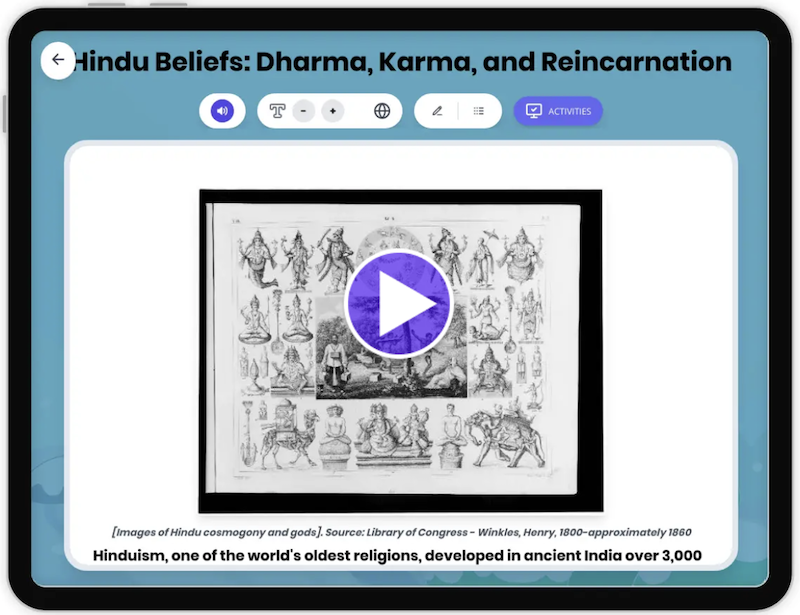
Ancient China offers rich opportunities to explore dynasties, the development of Confucianism and Taoism, technological innovations like paper and silk production, and the geographic factors that shaped Chinese civilization. The concept of the Mandate of Heaven helps students understand how ancient peoples explained political change.
Ancient Israel introduces students to the development of monotheism and its lasting influence on world history. Students examine ancient texts, trace the history of the Hebrew people, and understand how ideas developed in this small region spread to influence billions of people.
Ancient Greece activities for middle school should go beyond the basics of mythology and the Olympics to help students understand democracy, philosophy, art, and the tension between city-states like Athens and Sparta. The legacy of Greek thought in our own government, architecture, and intellectual traditions makes this unit especially relevant.
Teaching Ancient Rome to middle school students involves covering its evolution from a republic to an empire. It also includes studying its influential engineering marvels, the spread of Christianity, and the factors behind its decline. Students often find exercises comparing Greek and Roman civilizations particularly illuminating.
A standout feature is our “Ancient civilizations compare and contrast” activities, which help students synthesize learning and see the bigger picture of human development.
Effective Ancient History Resources
After years of buying curriculum materials that looked great in the preview but fell flat in practice, Workybooks has developed a clear sense of what separates time-saving teaching materials from those that create more work than they save.
Differentiated Reading Passages
In any classroom—or homeschool setting with multiple children—students read at different levels. The best differentiated history passages cover the same content at multiple reading levels, ensuring every student can access the same information and participate in the same discussions.
Interactive Reading Passages That Bring Ancient History to Life
Static text on a page can only do so much. Today’s students are digital natives who respond to interactive learning experiences. This is where platforms like Workybooks and the Knova reading app are transforming how students engage with ancient history content.
Unlike traditional worksheets, interactive reading passages allow students to engage actively with the material. Students can highlight key information and answer embedded comprehension questions. They also receive immediate feedback on their understanding. This active reading approach dramatically improves retention over the passive reading of textbook pages.
Time-Saving Features: Assessments and Bonus Activities
A great world history curriculum needs to be both deep and practical. This bundle is loaded with time-saving teaching materials.
- Digital & Printable Flexibility
- Built-In Assessment: Gauge understanding with varied assessments and tests, including graphic organizers and quizzes
- Zero-Prep Lessons: True no prep world history lessons mean you can focus on teaching, not planning.
- Engagement Boosters: Reinforce vocabulary and concepts with word search, puzzles, and cross-word activities.
- Audio Integrated with Spanish Translation
History Through Visual Lens
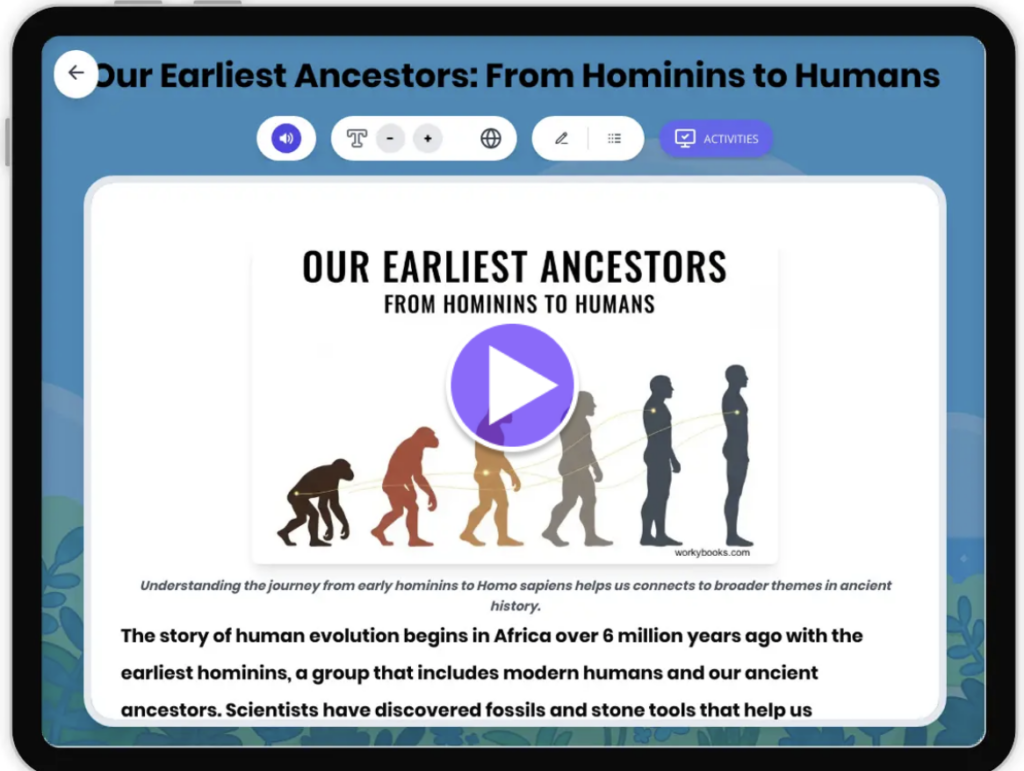
What makes these interactive passages particularly effective for visual learners is that each reading passage includes carefully selected images that illustrate key concepts. Students are able to see the ziggurats of Mesopotamia, while reading about them. When students learn about Egyptian hieroglyphics, authentic examples appear alongside the text. Detailed images help students visualize the scale and engineering that made Roman architecture so remarkable.
One aspect of history teaching that’s often underestimated is the role of imagery. Ancient civilizations existed in physical spaces with distinctive architecture, clothing, art, and landscapes that students have never seen. Without visual support, students are essentially trying to imagine an entirely foreign world based solely on words.
Workybooks addresses this challenge directly by including relevant, high-quality images with every reading passage. When sixth graders read about the Great Wall of China, they see photographs and illustrations that convey its massive scale. When they study ancient Greek pottery, images show the distinctive red and black figure styles that told stories of gods and heroes.
How Interactive Platforms Transform History Class
The Knova reading app offers a new way for students to interact with history. It moves beyond passive reading and separate worksheets. Instead, students use interactive reading passages that make comprehension an active process.
Here’s how it works in practice: A student opens a passage about Ancient Rome’s shift from republic to empire. As they read, embedded questions check their understanding. If they struggle with vocabulary, they can use audio support.
This interactivity matters because it:
- Keeps students engaged with content that responds to their input
- Provides immediate feedback so misconceptions don’t go uncorrected
- Supports different learning styles through text, audio, and visual elements
- Allows self-paced learning where students can spend more time on challenging sections
- Gives teachers and parents data on student progress and comprehension
A Special Note for Homeschooling Families
If you’re exploring world history 6th grade homeschool curriculum, you have both more flexibility and more responsibility than classroom teachers. You can spend extra time on topics that fascinate your child and move more quickly through areas they master easily.
Homeschooling often means managing multiple subjects and children at different grade levels. A complete 6th grade history curriculum with clear daily plans provides essential structure without losing flexibility. Look for resources that explain not just what to teach, but how to teach it—this guidance is invaluable, especially if ancient history isn’t your expertise.
Workybooks offers particular advantages for homeschooling families. The platform’s comprehensive reading passages—complete with images and available at multiple reading levels—provide the backbone of a solid history program. Combined with the interactive features of the Knova reading app, homeschooling parents have access to curriculum tools that rival what’s available in well-resourced schools.
Frequently Asked Questions (FAQ)
Q: Is this 6th grade world history curriculum aligned to standards?
A: Absolutely. The bundle is designed to cover the key social studies standards for Ancient World Civilizations commonly taught in 6th grade across the United States, including major themes in geography, government, economics, and culture.
Q: Are the reading passages differentiated for various learners?
A: Yes! Differentiated history passages are a core feature. Critical readings are often provided at multiple lexile levels to ensure accessibility for all students without sacrificing content.
Q: Does the ancient civilizations bundle include digital resources?
A: Yes. Most units include Google Slides presentations and often digital versions of worksheets or activities, making it perfect for hybrid models, 1:1 classrooms, or homeschool families who prefer digital integration.
Q: How is this bundle organized? Is it a “middle school history bundle” I can use all year?
A: It is designed as a year-long world history bundle. Units are structured chronologically and thematically, providing a logical and comprehensive flow from Early Humans through the fall of Ancient Rome. You receive a full complete 6th grade history curriculum.
Ready to transform your 6th grade world history instruction? Explore the comprehensive ancient civilizations resources at Workybooks.com and discover how interactive reading passages with integrated images can engage your students like never before. Download the Knova reading app to experience the difference interactive learning makes.
Related Posts
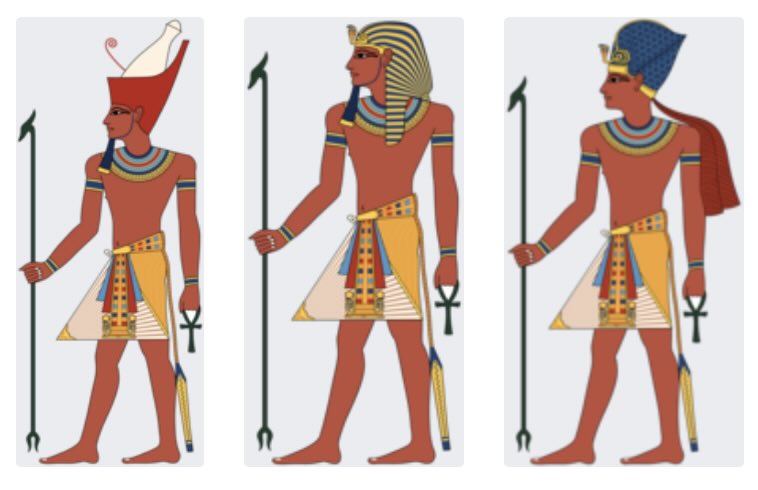
Egyptian Pharaohs Worksheets
Ancient Egypt Reading Passages: Bilingual Unit (CA HSS 6.2)