Converting Energy from Natural Resources
Interactive passage with audio narration, comprehension questions, and printable PDF.
By completing this purchase you agree to our Terms of Use and Privacy Policy. Your subscription renews automatically until you cancel. You can cancel anytime from your account settings. All sales are final and non-refundable. Digital content is available for download in your account immediately upon purchase.
What's included
Converting Energy from Natural Resources preview and details
About this printable Converting Energy from Natural Resources science reading passage, NGSS-aligned (Grades 3-5)
Sample passage and quiz from Converting Energy from Natural Resources
Reading passage and comprehension quiz preview
Converting Energy from Natural Resources
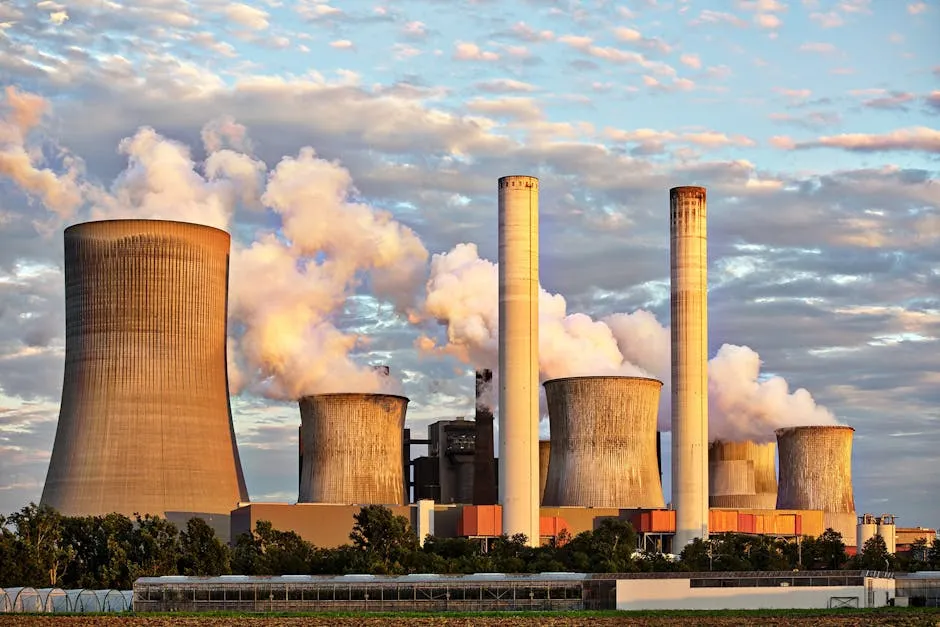
View of a power plant with smoke emissions under a cloudy sky, depicting industrial energy production. Image Credit Pixabay / Pexels.
Natural resources are materials from Earth that people use. Many natural resources contain energy, but this energy must be changed into forms we can use. This process is called energy conversion.
Coal is a natural resource found underground. It contains energy stored from plants that lived millions of years ago. To use this energy, coal must be burned in a power plant. When coal burns, it heats water to make steam. The steam spins large machines called turbines, which create electricity—a form of energy that powers lights, computers, and appliances in our homes.
Sunlight is another natural resource full of energy. Solar panels are special devices that capture sunlight. Inside these panels, the sun's energy is converted into electricity. Think of solar panels like a catcher's mitt catching a baseball—they catch sunlight and change it into power we can use.
Wind is moving air that contains energy. Wind turbines have large blades that spin when wind blows past them. As the blades turn, they power a generator inside the turbine that makes electricity.
Each natural resource goes through a different process to become useful energy. Without these conversion processes, the energy in coal, sunlight, and wind would stay locked away and unusable. Understanding how we convert natural resources into energy helps us make smart choices about the power we use every day.
Comprehension quiz (8 questions)
1. What are natural resources?
2. Where is coal found?
3. What do solar panels capture?
4. How does burning coal create electricity?
5. What makes wind turbine blades spin?
6. Why must natural resources be converted?
7. Natural resources can be used without conversion.
8. What does energy conversion mean?
Perfect for the way you teach
- Build comprehension skills
- Auto-graded quiz
- Differentiated reading
- Read together at home
- Improve fluency
- Quiet reading time
- Reading curriculum support
- Independent practice
- Track Lexile growth