How Burning Fuel Produces Energy
Interactive passage with audio narration, comprehension questions, and printable PDF.
By completing this purchase you agree to our Terms of Use and Privacy Policy. Your subscription renews automatically until you cancel. You can cancel anytime from your account settings. All sales are final and non-refundable. Digital content is available for download in your account immediately upon purchase.
What's included
How Burning Fuel Produces Energy preview and details
About this printable How Burning Fuel Produces Energy science reading passage, NGSS-aligned (Grades 3-5)
Sample passage and quiz from How Burning Fuel Produces Energy
Reading passage and comprehension quiz preview
How Burning Fuel Produces Energy
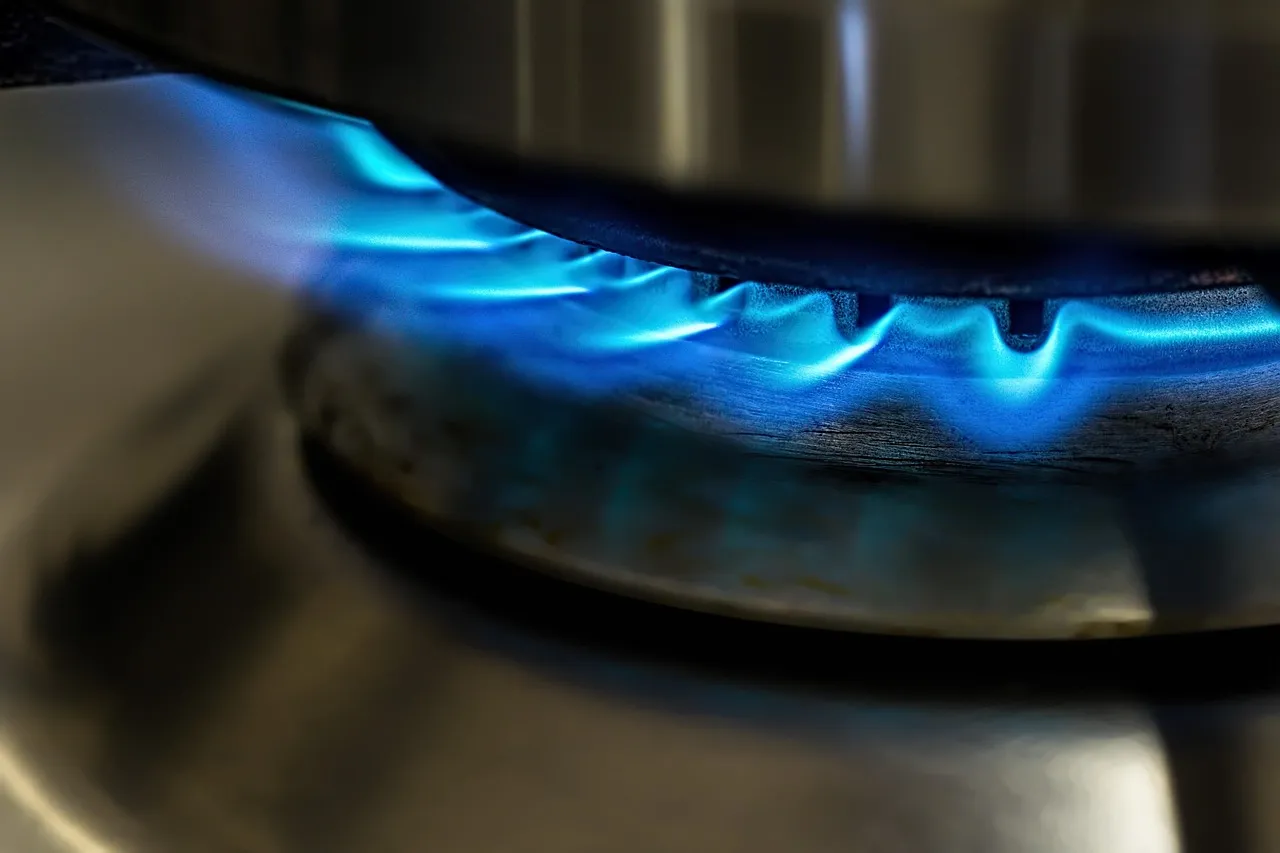
Fuel burning transforms Chemical energy stored inside it into heat and light that we can feel and see. Image Credit stevepb / Pixabay.
Fuel is any material that can be burned to produce energy. Wood, coal, natural gas, and gasoline are all examples of fuel. When fuel burns, something important happens—it releases energy in the form of heat and light.
The process of burning is called combustion. During combustion, fuel combines with oxygen from the air. This releases heat energy that we can feel and light energy that we can see. Think about a campfire. The wood is the fuel. As it burns, you feel warmth on your face and see bright flames. Both the warmth and the light are forms of energy released by the burning wood.
We use the energy from burning fuel in many ways every day. In homes, natural gas or oil burns in furnaces to produce heat that keeps us warm in winter. When you cook on a gas stove, the flame from burning natural gas heats your food. Gasoline burns in car engines to make vehicles move. Even the electricity in your home often comes from power plants that burn coal or natural gas to spin large machines called generators.
Different fuels release different amounts of energy when they burn. Some fuels, like gasoline, pack a lot of energy into a small amount. That's why cars can travel long distances on just one tank. Understanding how burning fuel produces energy helps us make smart choices about which fuels to use and how to use them safely and efficiently.
Comprehension quiz (8 questions)
1. What is fuel?
2. What does burning fuel release?
3. What is combustion?
4. Why can cars travel far on gasoline?
5. How do power plants make electricity?
6. What happens when fuel combines with oxygen?
7. Burning fuel always produces both heat and light.
8. Which word means the process of burning?
Perfect for the way you teach
- Build comprehension skills
- Auto-graded quiz
- Differentiated reading
- Read together at home
- Improve fluency
- Quiet reading time
- Reading curriculum support
- Independent practice
- Track Lexile growth