Effects of Deforestation
Interactive passage with audio narration, comprehension questions, and printable PDF.
By completing this purchase you agree to our Terms of Use and Privacy Policy. Your subscription renews automatically until you cancel. You can cancel anytime from your account settings. All sales are final and non-refundable. Digital content is available for download in your account immediately upon purchase.
What's included
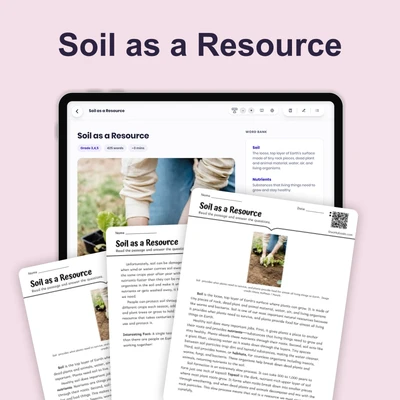
Effects of Deforestation preview and details
About this printable Effects of Deforestation science reading passage, NGSS-aligned (Grades 4-6)
Sample passage and quiz from Effects of Deforestation
Reading passage and comprehension quiz preview
Effects of Deforestation
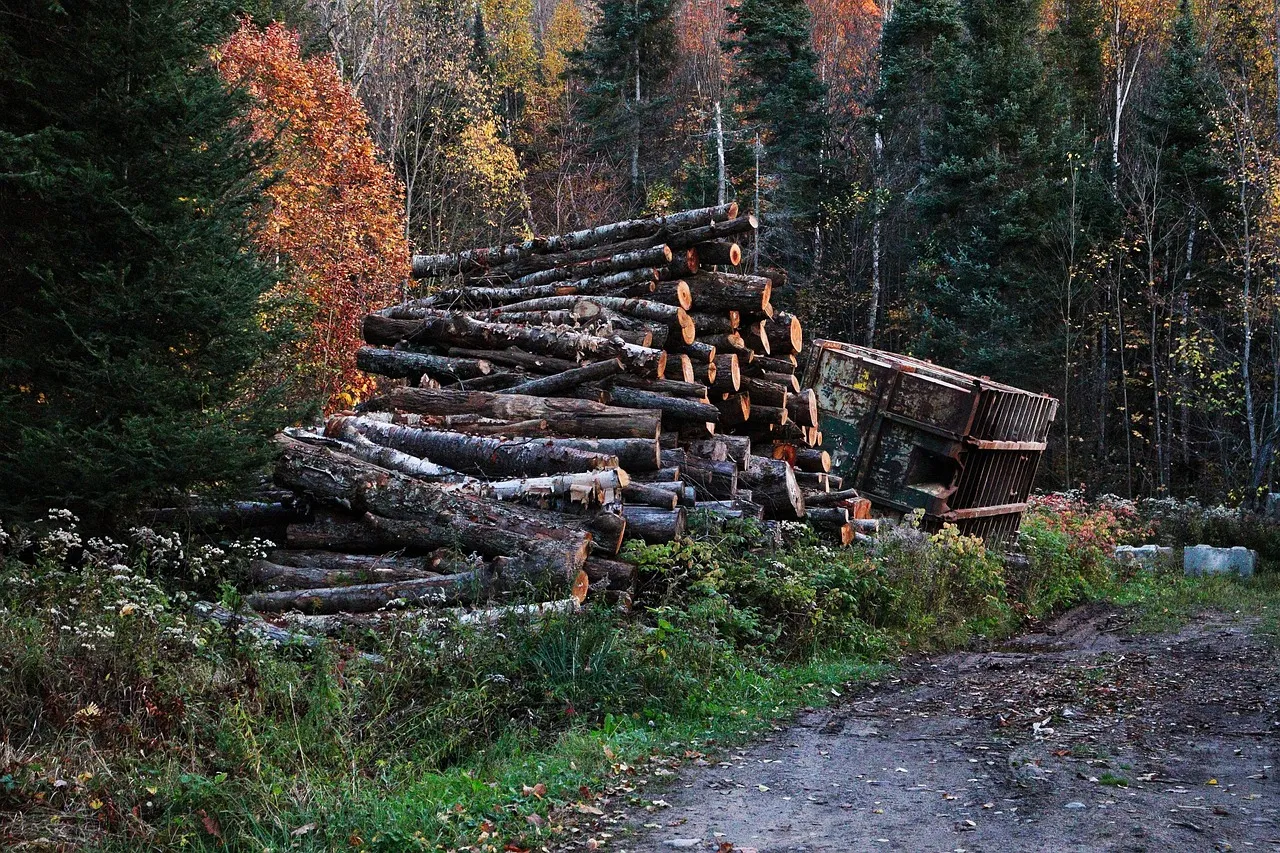
Deforestation is the cutting down or removal of large areas of forest.. Image cedit Pic_Panther / Pixabay.
Deforestation is the cutting down or removal of large areas of forest. When forests are cleared for farms, cities, or roads, many important changes happen to the land and the environment. Understanding these effects helps us see how forests protect our planet in multiple ways.
One major effect of deforestation is soil erosion. Soil erosion happens when wind and rain wash away the top layer of soil. Tree roots normally hold soil in place like an anchor holds a boat. When trees are removed, the soil becomes loose and can easily wash into rivers and streams during rainstorms. This makes the land less useful for growing crops and can cause flooding in nearby areas.
Deforestation also destroys habitats, which are the natural homes where animals and plants live. Forests provide food, shelter, and water for countless species. When trees are cut down, animals like birds, monkeys, and insects lose their homes. Some species may not survive if they cannot find new places to live. This loss of habitats reduces the variety of living things in an area, which scientists call biodiversity.
Forests also play an important role in producing oxygen. Trees take in carbon dioxide from the air and release oxygen through a process called photosynthesis. When large forests are removed, less oxygen is produced and more carbon dioxide stays in the atmosphere. This can contribute to climate change and make the air less healthy to breathe.
Finally, deforestation changes local water and weather patterns. Trees help water move through the environment by absorbing water from the soil and releasing it into the air as water vapor. This process affects rainfall in the area. Without forests, some regions may receive less rain, making the climate drier. Forests also provide shade that keeps the ground cooler, so removing them can make local temperatures rise.
Interesting Fact: The Amazon rainforest produces about 20% of the world's oxygen and is sometimes called the "lungs of the Earth." Scientists estimate that an area of forest the size of a soccer field is cut down every single second around the world.
Comprehension quiz (8 questions)
1. What is deforestation?
2. How do tree roots help soil?
3. What is a habitat?
4. Why does deforestation reduce oxygen production?
5. What happens to rainfall after deforestation?
6. How does deforestation affect local temperatures?
7. Deforestation affects only one Earth system.
8. What does biodiversity mean?
Perfect for the way you teach
- Build comprehension skills
- Auto-graded quiz
- Differentiated reading
- Read together at home
- Improve fluency
- Quiet reading time
- Reading curriculum support
- Independent practice
- Track Lexile growth