Euripides the Playwright
Interactive passage with audio narration, comprehension questions, and printable PDF.
By completing this purchase you agree to our Terms of Use and Privacy Policy. Your subscription renews automatically until you cancel. You can cancel anytime from your account settings. All sales are final and non-refundable. Digital content is available for download in your account immediately upon purchase.
What's included
Part of this bundle

Euripides the Playwright preview and details
About this printable Euripides the Playwright reading passage (Grades 6-8)
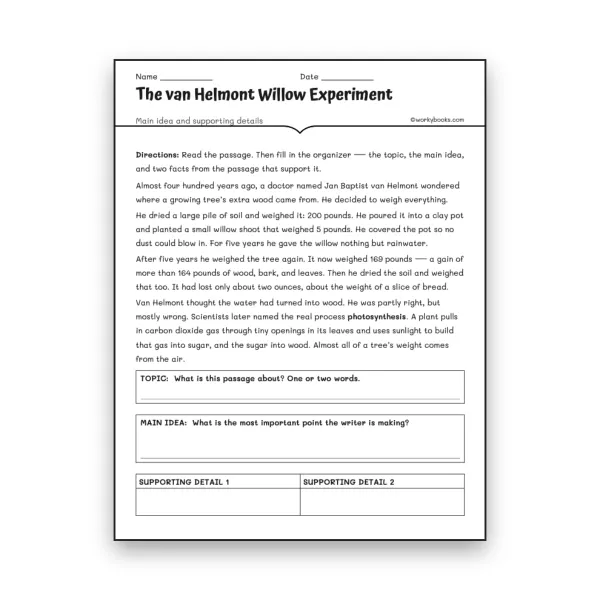
Sample passage and quiz from Euripides the Playwright
Reading passage and comprehension quiz preview
Euripides and Greek Drama
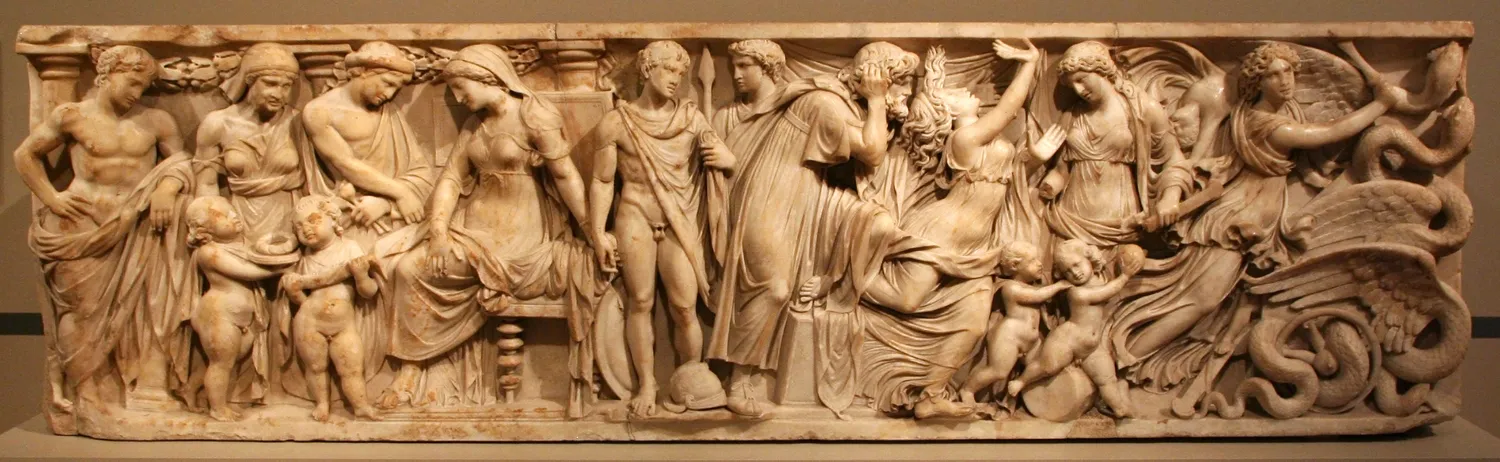
Roman sarcophagus showing the story of Medea and Creusa. Ca 150 AD. Altes Museum, Berlin. Photo by Mont Allen
Wikimedia Commons (Public domain).
Euripides was one of the most famous playwrights in ancient Greece, active during the 5th century BCE in Athens. He wrote over 90 plays, many of which focused on exploring human emotions and the inner lives of his characters. Euripides is often remembered as the most psychological of the three great Greek tragedians, alongside Aeschylus and Sophocles. His works show how people struggle with love, anger, jealousy, and loss.
The city-state of Athens was a center for intellectual and artistic life during Euripides’ time. Large outdoor theaters, such as the Theater of Dionysus, hosted competitions during religious festivals. These festivals honored Dionysus, the god of wine and theater. Playwrights would present their tragedies and win prizes for the best performances. Euripides won at least four first prizes, although he was sometimes less popular than his rivals because his plays questioned traditional beliefs and featured strong, complex women.
Unlike earlier playwrights, Euripides used realistic dialogue and focused on the motivations of ordinary people. In his play "Medea" (431 BCE), a woman struggles with betrayal and seeks revenge against her unfaithful husband, Jason. Another play, "The Trojan Women," shows the suffering of women after the fall of Troy, highlighting the costs of war. Archaeological evidence, such as ancient theater masks and papyrus scripts, shows how his plays were performed and copied for later audiences. The philosopher Aristotle even discussed Euripides' work in his influential book "Poetics," describing him as the most tragic of the poets.
Over time, the influence of Euripides grew. His works were studied in schools and performed throughout the Greek world and later in Rome. Unlike many ancient authors, many of Euripides’ plays survived because they were copied by scribes on scrolls and later in books. The emotional depth and critical thinking in his plays affected not just Greek theater, but also modern drama and literature. His stories brought attention to the feelings of people from all backgrounds, including slaves, foreigners, and women, challenging the social hierarchy of Athens.
Euripides' focus on psychological drama changed the way people wrote and watched plays. He showed that even heroes and gods have doubts, fears, and complicated feelings. Through his stories, audiences learned to see others’ perspectives and to question their own values. His legacy continues today in theater and literature around the world.
This study of Euripides connects to broader themes in ancient history, such as the role of art in society and the development of new ideas through cultural exchange.
Interesting Fact: Euripides was so popular after his death that later Greeks called him “the philosopher of the stage.”
Comprehension quiz (8 questions)
1. Where did Euripides live?
2. What kind of plays did Euripides write?
3. Which play shows the pain of war for women?
4. Why did some people dislike Euripides’ plays?
5. How did Euripides change Greek theater?
6. What did Aristotle call Euripides?
7. Euripides’ plays were copied and studied. True or false?
8. What is 'social hierarchy'?
Perfect for the way you teach
- Build comprehension skills
- Auto-graded quiz
- Differentiated reading
- Read together at home
- Improve fluency
- Quiet reading time
- Reading curriculum support
- Independent practice
- Track Lexile growth