Renaissance Art and Artists — Reading Comprehension
Rate this
Premium Resource
Present
Present in classroom. No work saved
Assign
Classroom with student accounts, Track progress
Quick Play
No student accounts, assign with a link
Grades
5
6
7
8
PRINT+DIGITAL RESOURCE
This learning resource is available in interactive and printable formats. The interactive worksheet can be played online and assigned to students. The Printable PDF version can be downloaded and printed for completion by hand.
This history reading passage delves into the world of Renaissance art, focusing on the revolutionary works and lives of the 'big three' artists: Leonardo da Vinci, Michelangelo, and Raphael. Students will learn how these artists transformed European art by introducing new techniques such as perspective, realism, and the depiction of human emotion. The passage explores their most famous works, like the Mona Lisa, David, and the Sistine Chapel ceiling, and places them in the broader context of social and cultural change. Aligned with CA HSS 7.8.3 and CCSS RH.6-8.2, this resource includes a read aloud audio, Spanish translation, and a range of activities to support critical thinking and comprehension. Students are challenged to compare Renaissance and medieval art, analyze cause-and-effect relationships, and understand the lasting impact of these artists on world history.
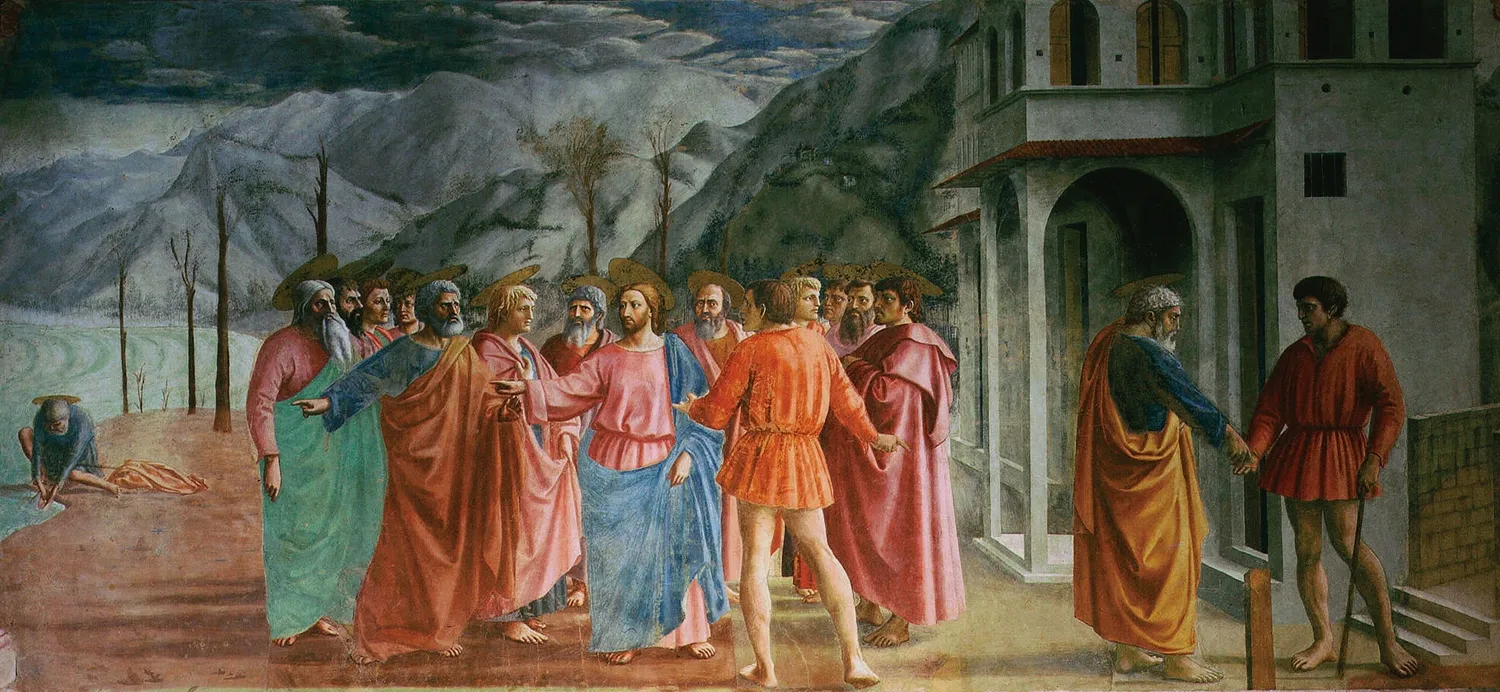
The Renaissance was a period of great cultural change in Europe that began in Italy around the 1300s and lasted until the early 1600s. During this era, artists made important breakthroughs in painting and sculpture. The art of the Renaissance was different from medieval art because it focused on realism, human emotion, and new artistic techniques. These changes reflected a growing interest in science, nature, and the value of the individual.
Three of the most influential artists of the Renaissance were Leonardo da Vinci, Michelangelo, and Raphael. Leonardo da Vinci, born in 1452 in the city-state of Florence, was not only a painter but also an inventor and scientist. His famous painting, the Mona Lisa (painted around 1503-1506), is celebrated for its use of perspective—an artistic method that makes objects look three-dimensional—and for the mysterious expression on the woman's face. Leonardo's notebooks show detailed studies of anatomy and engineering, proving his wide-ranging curiosity. Primary sources like his sketches give us direct evidence of his creative process.
Michelangelo, another remarkable artist, was born in 1475 near Florence. He is best known for his sculptures, such as the statue of David (completed in 1504), which shows a lifelike human figure ready for action. Michelangelo also painted the ceiling of the Sistine Chapel in Rome between 1508 and 1512. This massive artwork depicts biblical stories with complex poses, muscular bodies, and intense emotion. Records from the Vatican and letters written by Michelangelo himself reveal the challenges of creating such a large masterpiece.
Raphael, born in 1483 in Urbino, became famous for his balanced and graceful paintings. His work, such as the School of Athens (painted in 1509-1511), shows ancient philosophers in a grand architectural setting, using perspective and careful design to create harmony. Raphael worked for wealthy patrons, including the Pope, reflecting how art was connected to both social hierarchy and the power of city-states like Florence and Rome. Paintings like his Madonna series demonstrate gentle human emotions and the Renaissance focus on beauty.
The Renaissance marked a major shift from medieval art, which often used flat, symbolic images and focused mainly on religious subjects. In contrast, Renaissance artists studied the natural world, experimented with light and shadow, and showed people with realistic faces and bodies. These innovations were possible because Italian city-states grew wealthy from trade, allowing them to support artists and thinkers. Over time, Renaissance techniques spread across Europe, shaping art for centuries to come.
The achievements of Leonardo, Michelangelo, and Raphael continue to influence artists and inspire people worldwide. Their masterpieces are preserved in museums and churches, showing how art can reflect and shape society. The Renaissance reminds us of the power of creativity and the lasting impact of cultural change.
Interesting Fact: Leonardo da Vinci wrote most of his notes in mirror writing, which means the words could only be read correctly when held up to a mirror.
This study of Renaissance art connects to broader themes in world history, including the growth of humanism, the role of innovation, and the ways that geography and social structure affect cultural development.
Where was Leonardo da Vinci born?
FlorenceRomeVeniceUrbino
What is Michelangelo's famous sculpture?
DavidSchool of AthensMona LisaPietà
During which years did Michelangelo paint the Sistine Chapel ceiling?
1508-15121492-14981503-15061515-1520
Why was perspective important in Renaissance art?
It made art look 3DIt added colorIt showed religionIt was a law
How did city-states help Renaissance art?
By supporting artists with wealthBy banning artBy closing museumsBy making laws about colors
What was a major difference between Renaissance and medieval art?
Renaissance art showed realismMedieval art used oil paintRenaissance art was only religiousMedieval art used perspective
Renaissance artists focused on realism. True or false?
TrueFalse
What is a primary source?
An original documentA modern bookA copy of a paintingAn art museum
Perfect For:
👩🏫 Teachers
• Reading comprehension practice
• Auto-graded assessments
• Literacy skill development
👨👩👧👦 Parents
• Reading practice at home
• Comprehension improvement
• Educational reading time
🏠 Homeschoolers
• Reading curriculum support
• Independent reading practice
• Progress monitoring
Reading Features:
📖
Reading Passage
Engaging fiction or nonfiction text
❓
Comprehension Quiz
Auto-graded questions
📊
Instant Feedback
Immediate results and scoring
📄
Printable Version
Download for offline reading
🔊
Read Aloud
Voice-over with word highlighting
Reviews & Ratings
No reviews yet. Be the first to share your experience!
Related Content
Renaissance Clothing
This passage explores the fascinating world of Renaissance fashion clothing in Europe, focusing on how clothing reflecte...
Renaissance Poetry
This engaging world history reading passage introduces students to the Renaissance sonnet, focusing on the influential w...
Renaissance Philosophy
This passage explores the main ideas of Renaissance philosophy, which emerged in Europe during the 14th to 16th centurie...
Renaissance Art
This reading passage examines the enduring legacy of Renaissance art in world history, focusing on key techniques such a...
CA HSS 7.8.3CCSS RH.6-8.2CCSS W.6.2
Renaissance Anatomy Art
This engaging passage explores the intersection of art, science, and society during the Renaissance through the lens of ...
French Renaissance
This passage explores the rich culture of the French Renaissance, focusing on the influence of Italian art and architect...
Northern Renaissance
This passage examines the development and significance of Northern Renaissance art, focusing on how Renaissance ideas sp...
Florence Renaissance
This history reading passage examines Florence during the Renaissance, highlighting its cultural richness, the influence...
Renaissance Humanism
This passage introduces students to the transformative concept of Renaissance Humanism, a philosophical movement that em...
Renaissance Oil Painting
This passage explores the development of oil painting techniques during the Renaissance, focusing on the comparison betw...
Renaissance Impact Today
This engaging world history passage examines the enduring impact of the Renaissance on modern society, focusing on how R...
English Renaissance
This comprehensive passage explores the English Renaissance, a transformative period in England marked by a flourishing ...
Renaissance Education
This engaging history reading passage examines the transformation of education during the Renaissance and its impact on ...
Renaissance Medicine
This engaging world history reading passage explores medical advances during the Renaissance in Europe, focusing on chan...
Renaissance Music
This world history reading passage examines the development of music during the Renaissance, a period of profound cultur...
Renaissance Festivals Celebrations
This passage explores the vibrant role of festivals and celebrations during the Renaissance, focusing on how public spec...
Catholic Church and Renaissance
This passage explores the major role the Catholic Church played as a patron of Renaissance art in Europe. It examines ho...
Renaissance Religious Art
This passage explores the dramatic changes in religious art during the Renaissance, focusing on the shift from medieval ...
Renaissance Women
This reading passage explores the lives and contributions of women during the Renaissance period in Europe. Students wil...