How Shadows Form
Interactive passage with audio narration, comprehension questions, and printable PDF.
By completing this purchase you agree to our Terms of Use and Privacy Policy. Your subscription renews automatically until you cancel. You can cancel anytime from your account settings. All sales are final and non-refundable. Digital content is available for download in your account immediately upon purchase.
What's included
How Shadows Form preview and details
About this printable How Shadows Form science reading passage, NGSS-aligned (Grades 4-6)
Sample passage and quiz from How Shadows Form
Reading passage and comprehension quiz preview
How Shadows Form
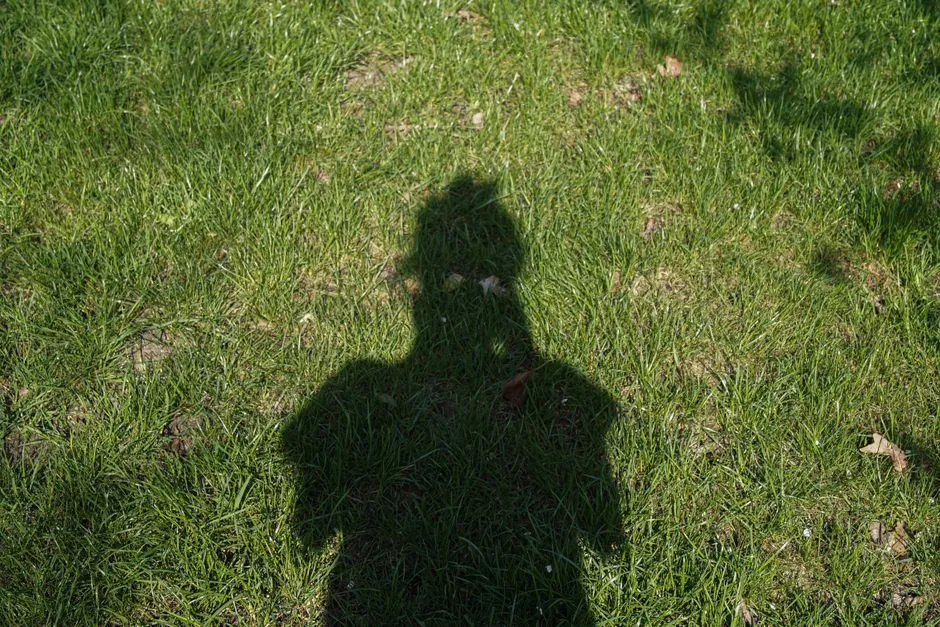
When the light source is directly above an object, the shadow appears small and sits right underneath. Image by Aleksandra Łada / Pexels.
A shadow is a dark area that forms when an object blocks light. Shadows appear everywhere in our daily lives—under trees on sunny days, behind buildings, and even when you stand in front of a lamp. Understanding how shadows form helps us learn about light and how it travels through space.
Light travels in straight lines from a light source, which is anything that produces light, such as the sun, a lamp, or a flashlight. When light hits an opaque object—something that does not let light pass through it, like a person, tree, or book—the light cannot continue traveling in that direction. The object blocks the light rays, creating a dark area on the opposite side. This dark area is the shadow. Think of it like water from a hose hitting a wall: the water cannot pass through the wall, so the area behind the wall stays dry.
The size and direction of a shadow depend on where the light source is located. When the light source is directly above an object, the shadow appears small and sits right underneath. When the light source is lower and to the side, the shadow becomes longer and stretches away from the light. For example, early in the morning when the sun is low in the sky, your shadow on the playground is very long. At noon, when the sun is high overhead, your shadow becomes much shorter.
The distance between the light source and the object also affects shadow size. When you hold your hand close to a flashlight and shine it on a wall, your hand creates a small shadow. As you move your hand closer to the wall and farther from the flashlight, the shadow grows larger. This happens because the light spreads out as it travels, and your hand blocks more of the spreading light rays.
Not all objects create shadows. Transparent objects, like clear glass or plastic wrap, let light pass through them. Since light can travel through these materials, they do not create dark shadows. Some objects are translucent, meaning they let some light through but not all of it. Wax paper and frosted glass are translucent—they create lighter, softer shadows because they block some light while allowing some to pass through.
Interesting Fact: On the moon, shadows are much darker and sharper than shadows on Earth because the moon has no atmosphere to scatter light, making the contrast between light and shadow more extreme.
Comprehension quiz (8 questions)
1. What is a shadow?
2. Which is an example of a light source?
3. What does opaque mean?
4. When is your shadow longest on the playground?
5. What happens to shadow size when you move your hand closer to a wall?
6. Why don't transparent objects create dark shadows?
7. Light travels in straight lines.
8. What does translucent mean?
Perfect for the way you teach
- Build comprehension skills
- Auto-graded quiz
- Differentiated reading
- Read together at home
- Improve fluency
- Quiet reading time
- Reading curriculum support
- Independent practice
- Track Lexile growth