Renewable Energy and Sustainability — Reading Comprehension
Rate this
Premium Resource
Present
Present in classroom. No work saved
Assign
Classroom with student accounts, Track progress
Quick Play
No student accounts, assign with a link
Grades
5
6
7
8
PRINT+DIGITAL RESOURCE
This learning resource is available in interactive and printable formats. The interactive worksheet can be played online and assigned to students. The Printable PDF version can be downloaded and printed for completion by hand.
Renewable energy, such as solar and wind power, is crucial for reducing reliance on fossil fuels and combating climate change. Unlike coal and oil, renewable energy sources produce little to no greenhouse gas emissions. Solar panels and wind turbines are becoming more efficient and affordable, making clean energy accessible worldwide. Transitioning to renewable energy also reduces air pollution and creates jobs. Embracing renewable energy is key to ensuring a sustainable and healthy future for our planet.
CONTENT PREVIEW
Expand content preview
Renewable energy is energy that comes from natural sources like the sun, wind, and water. Unlike fossil fuels, which are limited and harm the environment, renewable energy is clean and sustainable.
Solar power is one of the most popular forms of renewable energy. Solar panels capture sunlight and convert it into electricity. They can be used on rooftops, in solar farms, and even in remote areas without access to power grids.
Wind energy is another important source. Wind turbines use the power of the wind to generate electricity. They are often built in windy areas like coastlines and open plains.
Hydropower uses flowing water to produce energy. Dams and turbines are built in rivers to capture the energy of moving water. Hydropower is reliable and produces no emissions, but it can disrupt ecosystems.
Switching to renewable energy is essential for fighting climate change. Burning fossil fuels like coal and oil releases greenhouse gases, which trap heat in the atmosphere and cause global warming. Renewable energy produces little to no emissions, making it a cleaner alternative.
Governments and companies are investing in renewable energy to create a sustainable future. For example, many countries are building solar and wind farms to replace coal plants. Individuals can also help by using energy-efficient appliances and supporting clean energy policies.
Fun fact: In one hour, the sun provides enough energy to power the entire world for a year!
What is renewable energy?
Energy from fossil fuelsEnergy from natural sources like the sun and windEnergy from coalEnergy from nuclear power
What is one example of renewable energy mentioned in the passage?
CoalSolar powerNatural gasOil
How do solar panels work?
They burn fossil fuelsThey capture sunlight and convert it into electricityThey use wind to generate powerThey store water
What is one advantage of wind energy?
It produces greenhouse gasesIt is unreliableIt uses the power of the wind to generate electricityIt requires burning coal
What is hydropower?
Energy from the sunEnergy from flowing waterEnergy from windEnergy from coal
Why is renewable energy important for fighting climate change?
It produces greenhouse gasesIt produces little to no emissionsIt uses fossil fuelsIt increases global warming
What is one way individuals can support renewable energy?
Use energy-efficient appliancesBurn more coalWaste electricityIgnore clean energy policies
What is the fun fact mentioned in the passage?
Wind turbines are noisySolar panels don’t work at nightThe sun provides enough energy in one hour to power the world for a yearHydropower is the oldest form of energy
Perfect For:
👩🏫 Teachers
• Reading comprehension practice
• Auto-graded assessments
• Literacy skill development
👨👩👧👦 Parents
• Reading practice at home
• Comprehension improvement
• Educational reading time
🏠 Homeschoolers
• Reading curriculum support
• Independent reading practice
• Progress monitoring
Reading Features:
📖
Reading Passage
Engaging fiction or nonfiction text
❓
Comprehension Quiz
Auto-graded questions
📊
Instant Feedback
Immediate results and scoring
📄
Printable Version
Download for offline reading
🔊
Read Aloud
Voice-over with word highlighting
Reviews & Ratings
No reviews yet. Be the first to share your experience!
Related Content
Reading Comprehension— Storms
Practie summarizing paragraphs with this fun science informational text on storms! Students will give the main idea of t...
RI.2.2RF.2.4.ARF.2.4RI.2.10
Reading Comprehension: The Grand Canyon
This informational text on the Grand Canyon will teach your students all about this incredible wonder of the world! Free...
RI.3.1RI.3.10RI.3.4RF.3.4
Certification of Sustainable Forestry Practices
Certification of sustainable forestry practices ensures responsible forest management by protecting biodiversity, reduci...
7.RI.7.3
Reading Informational Text Practice
RI.1.10RI.1.1RI.1.2RF.1.4
Reading Comprehension - Science and Social Studies
RI.2.10RI.2.1RI.2.2RI.2.4
Informational Text — Habitats
This short informational text on habitats will teach your students what a habitat is, as well as provide some examples o...
RF.3.4.A
Tools and Technology in Earth Science
This middle school science reading passage explores the wide range of tools and technologies used in Earth science, from...
MS-ESS2-2MS-ESS3-2MS-ETS1-1MS-PS4-3
Informational Text — Penguins
This informational text on penguins is a great way to practice reading comprehension. Students will read the short passa...
RI.2.1RI.2.10
Informational Text — Armadillos
This informational text on armadillos is a great way to practice reading comprehension. Students will read the short pas...
RI.2.1RI.2.10
Interpreting visual information on Layers of the Earth
This informational text on the layers of the earth is a great way to practice using images during reading. Students will...
RI.1.7RI.10RF.1.4.ARF.1.4
Informational Text — Astronauts
Practice this second grade context clues worksheet with this informational text on astronauts. Students will read the te...
RI.2.4RI.2.10RI.3.4RI.3.10
Informational Text —Bioluminescence
This informational text on bioluminescence will teach your students about this phenomenon. Examples in nature are provid...
RI.3.10RF.3.4RF.3.4.ARI.3.1
Informational Text —Snowflakes
This informational text on snowflakes will teach your students how snowflakes are formed. Images of several different fl...
RI.3.10RF.3.4RF.3.4.ARI.3.1
Informational Text—Tardigrades
This informational text on tardigrades will teach your students all about this strange animal! Free response comprehensi...
RI.2.1RI.2.10RI.3.1RI.3.10
Reading Comprehension: Sun
This reading comprehension worksheet, aligned with CCSS.ELA-LITERACY.RF.5.4.a, features short informational passages fol...
RF.5.4.ARF.5.4.B
Informational Text —Importance of Sound
This Reading Informational Text Common Core standards calls for 4th graders to be able to effectively describe and analy...
RI.4.5
Hummingbirds—Reading Fluency
This informational text on hummingbirds with comprehension questions is a great way to practice reading comprehension. S...
RI.1.1RI.1.10RF.1.4.ARF.1.4.B
Informational Text —Sea Stars
Use this second grade worksheet on context clues with this informational text on sea stars. Students will read the text ...
RI.2.4RI.2.10RI.3.4RI.3.10
All about shells—Informational Text
This informational text on mollusks will teach your students all about these awesome animals! Free response comprehensio...
RI.3.1RI.3.5RI.3.10RI.4
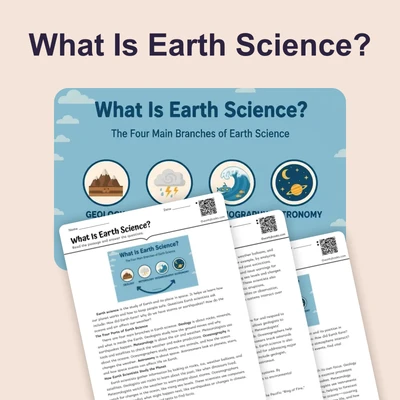
What Is Earth Science?
This engaging middle school science passage introduces students to the field of Earth science, aligning with NGSS standa...