Reading Passage

Precautionary Principle

Interactive passage with audio narration, comprehension questions, and printable PDF.

No ratings yet
Grades 6–9ElaReadingScienceEnglish · SpanishInteractive · Printable

What's included

Reading passage
Audio narration
Comprehension quiz
Writing activity
Glossary & flashcards
Differentiated version
Spanish translation

Precautionary Principle preview and details

About this printable Precautionary Principle science reading passage, NGSS-aligned (Grades 6-9)

The Precautionary Principle is a decision-making guideline that suggests avoiding actions or policies that could harm people or the planet, even if the harm is not yet fully proven. It has been applied to issues like ozone layer protection and GMO regulation. Critics argue it can slow innovation, but supporters believe it’s essential for preventing irreversible damage. The principle has influenced international agreements like the Paris Climate Agreement.
Written by Neha Goel TripathiPublished by Workybooks
Preview

Sample passage and quiz from Precautionary Principle

Reading passage and comprehension quiz preview

The Precautionary Principle
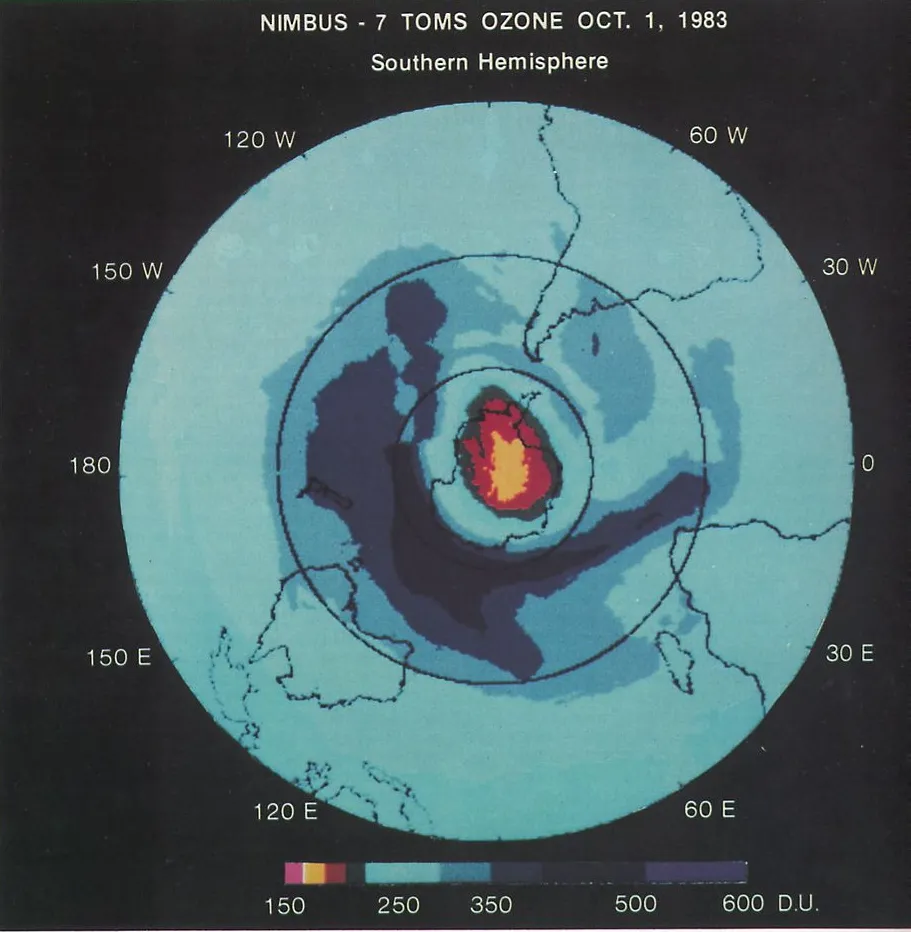
First Space-Based View of the Ozone Hole (8006648994)

"First Space-Based View of the Ozone Hole (8006648994)" by NASA Goddard Space Flight Center from Greenbelt, MD, USA / Wikimedia Commons.

The Precautionary Principle is a guideline for decision-making, especially in environmental and public health issues. It states that if an action or policy has the potential to cause harm to people or the planet, it’s better to avoid it—even if the harm is not yet fully proven.


For example, when scientists suspected that certain chemicals could harm the ozone layer, governments banned them under the Precautionary Principle. This decision helped prevent further damage to the ozone layer, which protects Earth from harmful ultraviolet rays.


The principle is often applied to new technologies, like genetically modified organisms (GMOs) or pesticides. If there’s a chance these could harm ecosystems or human health, the Precautionary Principle suggests waiting for more research before approving them.


Critics argue that the principle can slow progress and innovation. For instance, delaying the use of a new medical treatment could harm patients who need it. However, supporters believe it’s better to be safe than sorry, especially when dealing with irreversible damage to the environment or human health.


The Precautionary Principle has influenced many international agreements, such as the Paris Climate Agreement, which aims to prevent catastrophic climate change. It reminds us to think carefully about the long-term consequences of our actions.


Fun fact: The Precautionary Principle was first formally adopted in Germany in the 1970s to address air pollution and forest damage.

Comprehension quiz (8 questions)

1. What is the Precautionary Principle?

A rule to ignore potential harm
A guideline to avoid actions that could cause harm
A law to promote all new technologies
A principle to increase pollution

2. What is one example of the Precautionary Principle in action?

Banning chemicals that harm the ozone layer
Encouraging deforestation
Ignoring climate change
Promoting fossil fuels

3. What does the Precautionary Principle suggest about new technologies?

Approve them immediately
Wait for more research if they could cause harm
Ignore potential risks
Ban all new technologies

4. What is one criticism of the Precautionary Principle?

It speeds up innovation
It can slow progress and innovation
It ignores environmental issues
It promotes harmful actions

5. What international agreement is influenced by the Precautionary Principle?

The Paris Climate Agreement
The Kyoto Protocol
The Montreal Protocol
The Geneva Convention

6. What is the main goal of the Precautionary Principle?

To cause harm
To prevent harm, even if it’s not fully proven
To ignore risks
To promote pollution

7. Where was the Precautionary Principle first formally adopted?

The United States
Germany
France
Japan

8. What is the fun fact mentioned in the passage?

The Precautionary Principle was first adopted in Germany
It was created in the 1800s
It only applies to medical treatments
It has no impact on climate change
Who it's for

Perfect for the way you teach

Teachers
  • Build comprehension skills
  • Auto-graded quiz
  • Differentiated reading
Parents
  • Read together at home
  • Improve fluency
  • Quiet reading time
Homeschoolers
  • Reading curriculum support
  • Independent practice
  • Track Lexile growth
Topics

Reviews & Ratings

No reviews yet. Be the first to share your experience!

More reading you might love

20 more
Passage
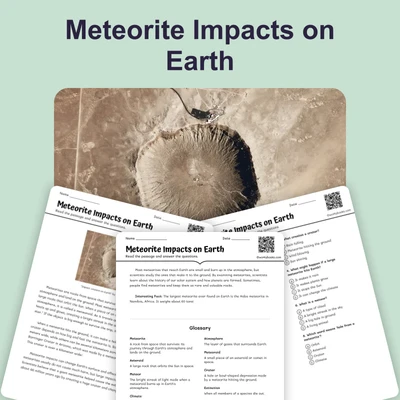
Meteorite Impacts on Earth - reading educational content

Meteorite Impacts on Earth

Reading Passage

$1.50
Passage
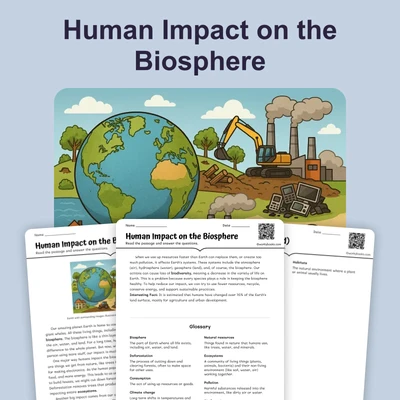
Human Impact on the Biosphere - reading educational content

Human Impact on the Biosphere

Reading Passage · MS-ESS3-4

$1.50
Passage
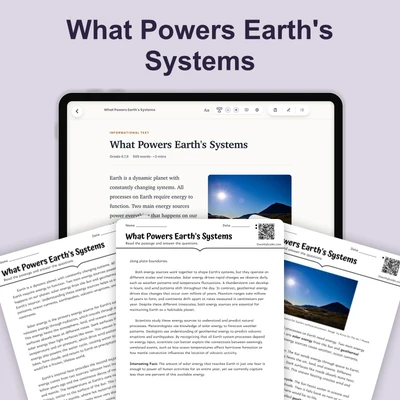
What Powers Earth's Systems - reading educational content

What Powers Earth's Systems

Reading Passage · MS-ESS2-1

$1.50
Passage
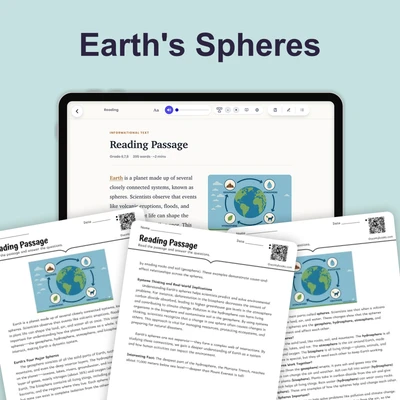
Earth's Spheres - reading educational content

Earth's Spheres

Reading Passage · MS-ESS2-4

$1.50
Passage
How Humans Disrupt Earth's Cycles - reading educational content

How Humans Disrupt Earth's Cycles

Reading Passage · MS-ESS2-1

$1.50
Passage
Tools and Technology in Earth Science - reading educational content

Tools and Technology in Earth Science

Reading Passage · MS-ESS2-2

$1.50
Passage
Scientific Inquiry in Earth Science - reading educational content

Scientific Inquiry in Earth Science

Reading Passage · MS-ESS1-4

$1.50
Passage
Earth: Our Home in Space - reading educational content

Earth: Our Home in Space

Reading Passage

$1.50
Passage
How Earth Systems Show Repeating Patterns - reading educational content

How Earth Systems Show Repeating Patterns

Reading Passage · MS-ESS2-1

$1.50
Passage
Introduction to Earth Science - reading educational content

Introduction to Earth Science

Reading Passage · MS-ESS3-1

$1.50
Passage
How Earth's Four Spheres Interact - reading educational content

How Earth's Four Spheres Interact

Reading Passage · MS-ESS2-1

$1.50
Passage
What Is Earth Science? - reading educational content

What Is Earth Science?

Reading Passage · MS-ESS1

$1.50
Passage
Collaboration Between Earth Science Branches - reading educational content

Collaboration Between Earth Science Branches

Reading Passage · MS-ESS2-1

$1.50
Passage
How Satellites Help Scientists Study Earth From Space - reading educational content

How Satellites Help Scientists Study Earth From Space

Reading Passage · MS-ESS2-1

$1.50
Passage
History of Life on Earth - reading educational content

History of Life on Earth

Reading Passage · MS-ESS1-4

$1.50
Passage
Why Does Earth Stewardship Matter - reading educational content

Why Does Earth Stewardship Matter

Reading Passage · MS-ESS3-3

$1.50
Passage
Distribution of Water on Earth - reading educational content

Distribution of Water on Earth

Reading Passage · MS-ESS2-4

$1.50
Passage
What Is Space Weather and How Does It Affect the Earth? - reading educational content

What Is Space Weather and How Does It Affect the Earth?

Reading Passage · MS-ESS2-2

$1.50
Passage
How Scientists Design Environmental Monitoring Systems - reading educational content

How Scientists Design Environmental Monitoring Systems

Reading Passage · MS-ESS3-3

$1.50
Passage
How Matter Cycles Through Earth Systems - reading educational content

How Matter Cycles Through Earth Systems

Reading Passage · MS-ESS2-1

$1.50
Copyright © 2026 Workybooks. Made with ♥ in California.