What Are Ice Caps
Interactive passage with audio narration, comprehension questions, and printable PDF.
By completing this purchase you agree to our Terms of Use and Privacy Policy. Your subscription renews automatically until you cancel. You can cancel anytime from your account settings. All sales are final and non-refundable. Digital content is available for download in your account immediately upon purchase.
What's included
What Are Ice Caps preview and details
About this printable What Are Ice Caps science reading passage, NGSS-aligned (Grades 4-6)
Sample passage and quiz from What Are Ice Caps
Reading passage and comprehension quiz preview
What Are Ice Caps
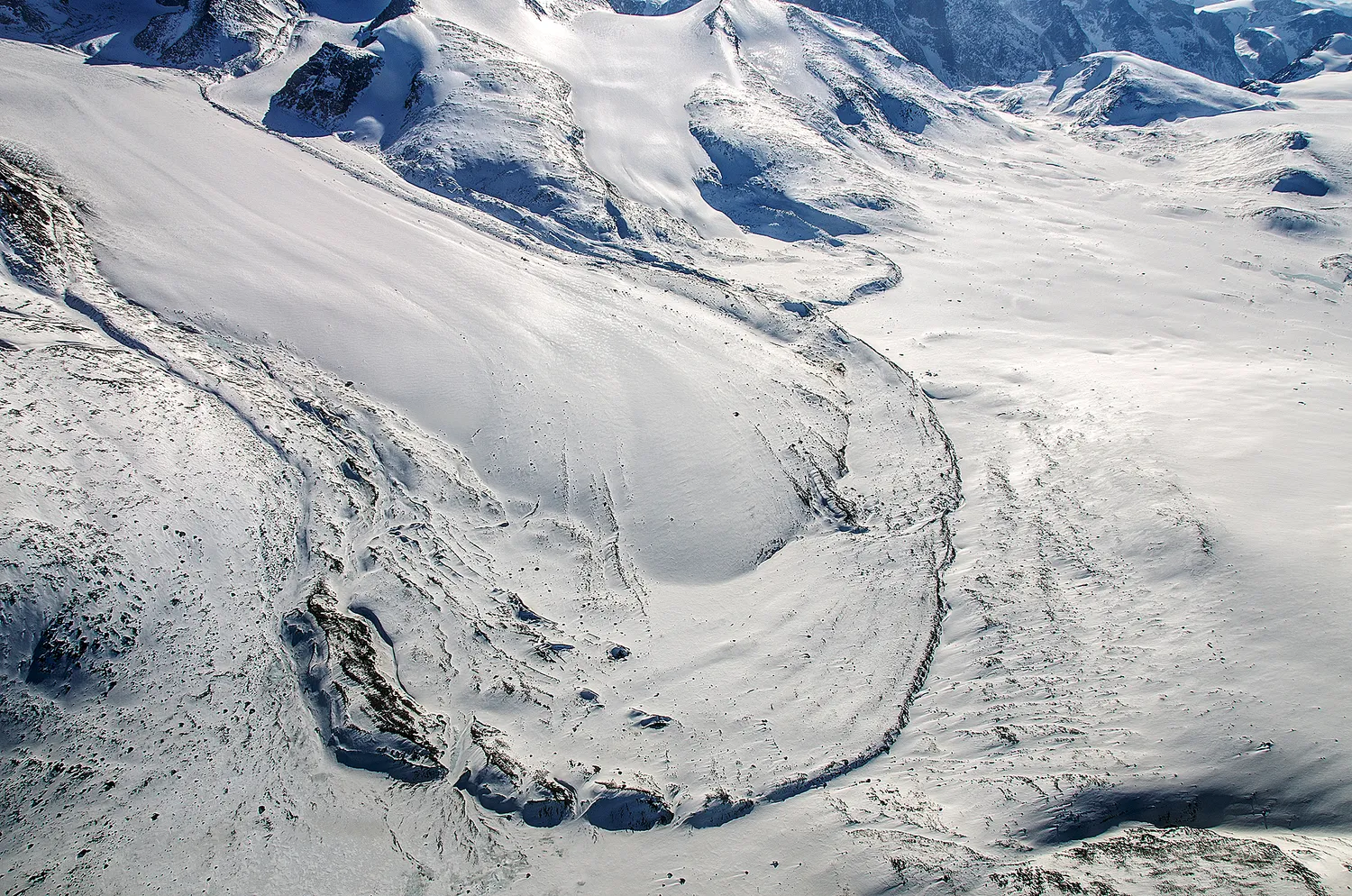
Penny Ice Cap Terminal Moraine" by NASA / Michael Studinger / Wikimedia Commons
An ice cap is a thick layer of ice and snow that covers land in very cold places on Earth. Ice caps are smaller than ice sheets but still enormous. They can cover thousands of square miles and can be more than a mile thick. The largest ice formations are called ice sheets, which are even more massive. Earth has two major ice sheets: one covering Antarctica and one covering most of Greenland.
These frozen areas matter because they hold most of Earth's freshwater—water without salt that people, animals, and plants need to survive. About 68 percent of all freshwater on Earth is frozen in ice caps and ice sheets. This means most of the freshwater on our planet is locked away in solid form and cannot be used for drinking, farming, or other daily needs. Only a tiny amount of Earth's freshwater is available in rivers, lakes, and underground sources that people can easily access.
Ice caps and ice sheets form over thousands of years as snow falls and piles up. The weight of new snow presses down on older layers, turning them into solid ice. This process is similar to how a snowball becomes harder when you pack it tightly in your hands. In Antarctica, the ice sheet is so thick that it reaches nearly 3 miles deep in some places. If you stacked more than 15 Empire State Buildings on top of each other, that's how thick the ice would be.
Scientists study ice caps carefully because they affect sea level—the height of the ocean's surface. When ice caps melt, the water flows into the ocean, causing sea levels to rise. If all the ice in Greenland melted, sea levels around the world would rise about 20 feet. That would flood many coastal cities where millions of people live. Understanding ice caps helps scientists predict how Earth's water supply and coastlines might change in the future.
Interesting Fact: Scientists drill deep into ice sheets to pull out ice cores that contain tiny air bubbles trapped thousands of years ago, allowing them to study what Earth's atmosphere was like in the past.
Comprehension quiz (8 questions)
1. Where are Earth's two major ice sheets?
2. What percent of freshwater is frozen?
3. How thick is Antarctica's ice sheet?
4. What happens when ice caps melt?
5. Why can't we use frozen freshwater?
6. How do ice caps form?
7. Ice sheets are smaller than ice caps.
8. What is freshwater?
Perfect for the way you teach
- Build comprehension skills
- Auto-graded quiz
- Differentiated reading
- Read together at home
- Improve fluency
- Quiet reading time
- Reading curriculum support
- Independent practice
- Track Lexile growth