What Are Wetlands
Interactive passage with audio narration, comprehension questions, and printable PDF.
By completing this purchase you agree to our Terms of Use and Privacy Policy. Your subscription renews automatically until you cancel. You can cancel anytime from your account settings. All sales are final and non-refundable. Digital content is available for download in your account immediately upon purchase.
What's included
What Are Wetlands preview and details
About this printable What Are Wetlands science reading passage, NGSS-aligned (Grades 4-6)
Sample passage and quiz from What Are Wetlands
Reading passage and comprehension quiz preview
What Are Wetlands
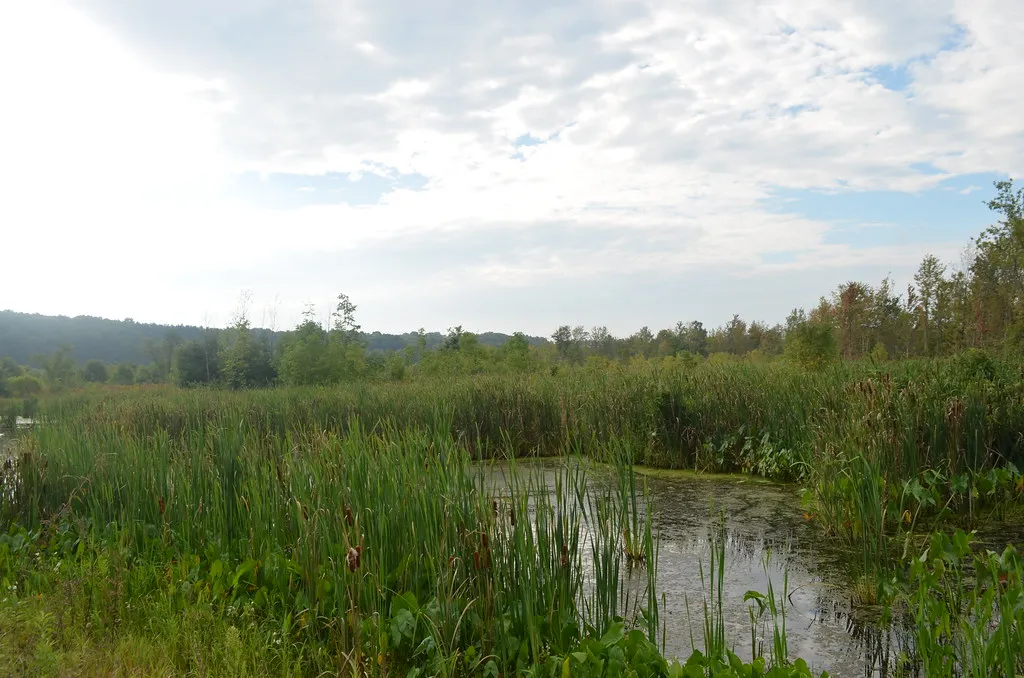
USFWS wetland ohio" by Alejandro Morales/USFWS / Wikimedia Commons
Wetlands are areas of land where water covers the soil for part or all of the year. The water in wetlands is usually shallow—only a few inches to a few feet deep. Wetlands include marshes (areas with grasses and reeds), swamps (areas with trees and shrubs), and bogs (areas with spongy, wet soil). These special places are important because they help control where water goes on Earth and protect communities from water-related problems.
Wetlands act like giant natural sponges. When heavy rain falls or snow melts, wetlands soak up the extra water and hold it. This prevents flooding, which happens when too much water flows into rivers and streams at once. Without wetlands, water would rush quickly across the land, causing damage to homes and farms. During dry times, wetlands slowly release the stored water back into rivers and underground water supplies. This steady release helps keep water flowing even when it hasn't rained in a while.
Wetlands also work as natural water filters. As water moves slowly through a wetland, the soil and plants trap dirt, chemicals, and pollution. The roots of wetland plants grab onto harmful substances and keep them from flowing into lakes and rivers where people get their drinking water. Think of wetlands like a coffee filter—they catch unwanted materials while letting clean water pass through.
Many animals and plants make their homes in wetlands. Fish lay their eggs in the shallow, protected waters. Birds such as ducks, herons, and egrets hunt for food in wetlands. Frogs, turtles, and insects thrive in these wet environments. The mix of water and land creates a perfect habitat (a place where an organism lives) for species that need both. Some animals spend their entire lives in wetlands, while others visit to find food or raise their young.
Wetlands cover only about 6% of Earth's land surface, but they are extremely valuable. People have drained many wetlands to build farms, roads, and buildings. Scientists now understand that protecting wetlands helps protect our water supply, prevents flooding, and saves homes for countless species. When we take care of wetlands, we take care of an important part of Earth's water distribution system.
Interesting Fact: The Florida Everglades is one of the largest wetlands in the world, covering about 1.5 million acres. It's home to rare animals like the American alligator, the Florida panther, and the West Indian manatee!
Comprehension quiz (8 questions)
1. What are wetlands?
2. Which type has trees and shrubs?
3. How do wetlands prevent flooding?
4. How do wetlands clean water?
5. Why are wetlands good animal habitats?
6. What percent of Earth is wetlands?
7. Wetlands only help during rainy weather.
8. What does habitat mean?
Perfect for the way you teach
- Build comprehension skills
- Auto-graded quiz
- Differentiated reading
- Read together at home
- Improve fluency
- Quiet reading time
- Reading curriculum support
- Independent practice
- Track Lexile growth