Evidence for Climate Change: Reading Passages and Activities
We will explore clear evidence for climate change. Understanding climate change is crucial for students. They are designed for grades 5–8.
Teachers need engaging resources to explain it. This blog offers climate change reading passages.
Each passage includes comprehension questions and vocabulary tasks. Fun extension activities keep students engaged. These resources are perfect for teachers and homeschoolers who want to make science meaningful.
🌍 What Is Climate Change and Why Study It?
Understanding climate change for students starts with the basics. Climate describes long-term weather patterns in a region. Weather is what happens outside today. Climate is the pattern over many years.
How do we know climate change is real? Scientists collect data from around the world. They study temperature records, ice samples, and ocean measurements. This global warming evidence shows our planet is getting warmer.
Weather vs climate for students is an important concept. Teaching climate change to middle school students helps them think like scientists. They learn to examine data showing climate change. They also practice critical thinking skills.
🧊 Climate Through Earth’s History
Climate Through Earth’s History
Earth’s climate has changed many times. Our planet has experienced ice ages and warm periods. These natural cycles happened over thousands of years. Scientists study fossil evidence of climate change to understand the past.
Ancient climates tell us important stories. Fossils show what plants and animals lived long ago. These clues reveal past temperatures and rainfall. Students can explore these patterns in our reading passages.

Widely spaced rings, from when the tree was growing fast, can mean the climate was favorable. Tightly spaced rings can show how a tree grew more slowly. The rings can also indicate avalanche patterns and so much more.
United States Geological Survey (USGS) staff collect these tree “cookies” in Glacier National Park, and around the country. Then the cookies must be sanded so the rings can be easily seen and measured.
USGS staff sand tree cookies to study patterns in growth over time. Learn more here: https://www.nps.gov/articles/avalanche_research.htm
🧩 Read the full climate change passage and test your understanding with our interactive quiz!
🔬 How Scientists Study Climate
How do scientists study evidence of climate change? They use many tools to collect data. Satellites orbit Earth and measure temperatures from space. Ocean buoys float in the water and track ocean temperature rise.
Weather stations record daily temperatures around the world. Scientists compare old records to new measurements. This temperature rise evidence shows clear warming trends. Climate graphs and data for kids make this information easy to understand.
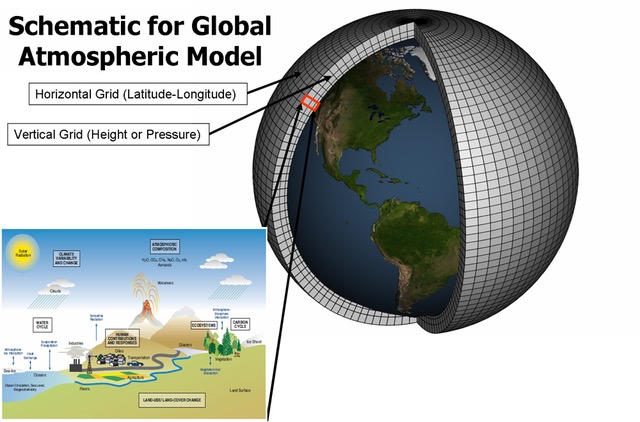
Scientists use computers to create climate models. These models predict future changes. They help us understand the greenhouse effect examples in real life. Human impact on climate becomes clear through this research.
📥 Download the comprehension worksheet to test what your students learned.
❄️ What Ice Cores Tell Us
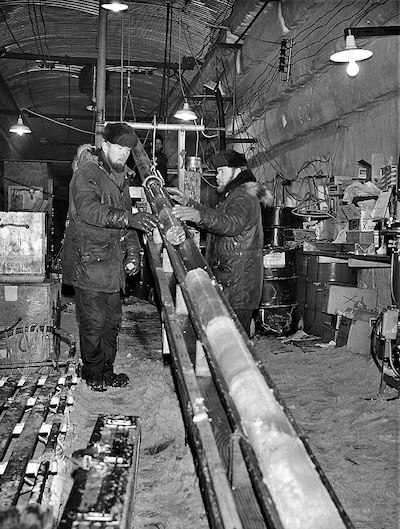
Ice core samples climate evidence is some of the best proof we have. Scientists drill deep into glaciers and ice sheets. They pull up long tubes of ice called ice cores. These cores contain tiny air bubbles from long ago.
The air bubbles are like time capsules. They show carbon dioxide increase over centuries. Scientists can measure CO₂levels from thousands of years ago. This data proves that current levels are much higher than before.
Ice cores also reveal ancient temperatures. Layers of ice show warm and cold periods. This simple evidence of global warming is powerful. Students find ice core research fascinating and engaging.
🌡️Global Temperature Rise
How Scientists Measure Warming
What are three main pieces of evidence for climate change?
1.Temperature records show warming trends.
2.Melting glaciers evidence is visible around the world.
3.Rising sea levels prove that ice is melting into the ocean.
Temperature records go back over 150 years. Scientists compare past and present data. Every decade since 1980 has been warmer than the last. This is strong temperature rise evidence that everyone can understand.
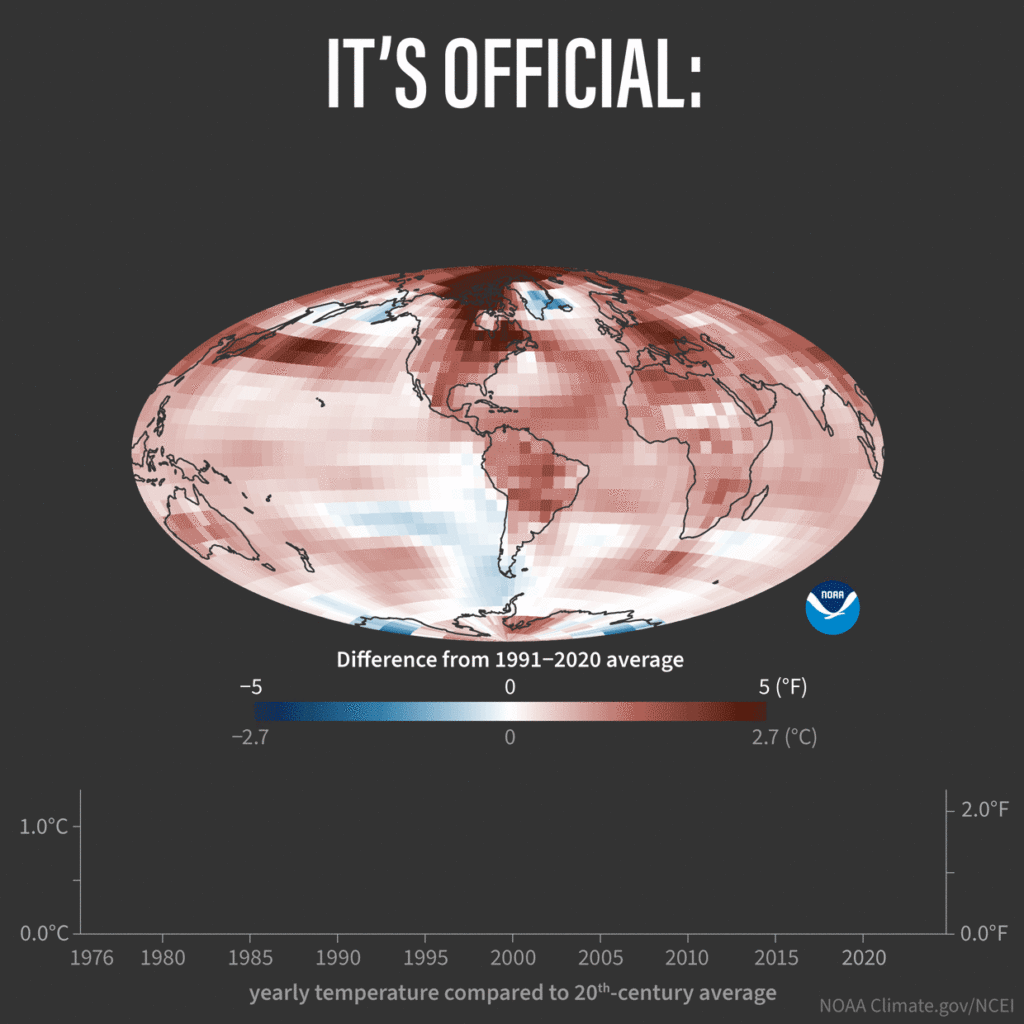
Glaciers are shrinking on every continent. Arctic sea ice is at record lows. Rising sea levels threaten coastal cities worldwide. These are examples of climate change evidence students can observe in news reports.
📊 Students can take multiple choice quiz in our comprehension activity!
⛈️How Climate Change Affects Weather Patterns
Climate change is making weather more extreme around the world. Scientists study weather patterns to understand how our planet is changing. The data shows clear connections between warming temperatures and shifting weather.
Weather patterns are becoming harder to predict. Seasons arrive earlier or later than expected. Rain may come at the wrong time for crops. Traditional weather patterns no longer follow the old rules.
Scientists use climate models to study these changes. They track data from satellites, weather stations, and ocean buoys. This evidence helps us prepare for future weather challenges.
🌸How Climate Change Affects Seasons
Shifting Seasons and Their Impact
Seasons are changing because of global warming. Spring arrives earlier in many places. Winter is getting shorter in most regions. These shifts affect plants, animals, and people.
Flowers bloom before bees are ready to pollinate them. Birds migrate at the wrong times. Growing seasons are longer for farmers. These changes have big effects on ecosystems.
Students can observe seasonal changes in their own neighborhoods. They learn to connect local observations to global patterns. This hands-on approach makes learning meaningful.
🧩 Test your understanding with our interactive seasonal changes quiz!
🧩 Interactive Climate Change Activities for Students
Activities to teach climate change in middle school make learning fun. Our reading comprehension worksheets build critical thinking skills. Vocabulary games help students master science terms.
Climate change lesson ideas for classrooms include quizzes and discussion questions. Our resources support different learning styles. They work well for ELL students and struggling readers too.
Classroom resources on climate change should be engaging and accurate. Our passages are reviewed by science educators. They align with middle school science standards. Teaching global warming in schools has never been easier.
🧠 Why Teaching Climate Change Evidence Matters
Climate literacy for students prepares them for the future. They learn to evaluate evidence and think critically. These skills apply to many areas of life.
Evidence-based learning helps students become informed citizens. They understand global issues that affect everyone. They can make smart decisions about the environment.
Teaching climate change connects to real-world issues. Students learn about sustainability and global citizenship. They see how science affects their daily lives.
📎Download the Climate science reading passage here
Ready to bring these lessons to your classroom? Download the full Evidence for Climate Change resources.
Reading Bundle. You will get six engaging passages and comprehension worksheets. Interactive activities are designed for grades 5–8.
Our climate change reading passages cover all the key topics. Students learn how scientists study climate data. They explore ice cores, temperature records, and weather patterns. Each passage builds understanding step by step.
🌍 Get your students excited about science with evidence-based climate change lessons! 🌍
Related Posts
Rosa Parks Day Resources

Adjectives Worksheets for Grade 1