This learning resource is available in interactive and printable formats. The interactive worksheet can be played online and assigned to students. The Printable PDF version can be downloaded and printed for completion by hand.
This engaging history reading passage explores the complex trade networks that connected Ancient Egypt, Kush, and regions beyond the Nile Valley. Students will discover how geography, natural resources, and cultural exchange shaped economic development and daily life in these powerful ancient civilizations. The passage highlights archaeological evidence, primary sources, and key vocabulary, supporting critical thinking about cause and effect, continuity and change, and the significance of trade in world history. Activities include a multiple-choice quiz, writing prompts, and graphic organizers. The resource aligns with California HSS 6.2.3 and CCSS RH.6-8.1, 6-8.4, and 6-8.7. It provides a read aloud audio option and full Spanish translation for accessibility, making it ideal for diverse classrooms. Students will analyze history like historians, strengthen ELA informational skills, and connect ancient trade to broader historical themes.
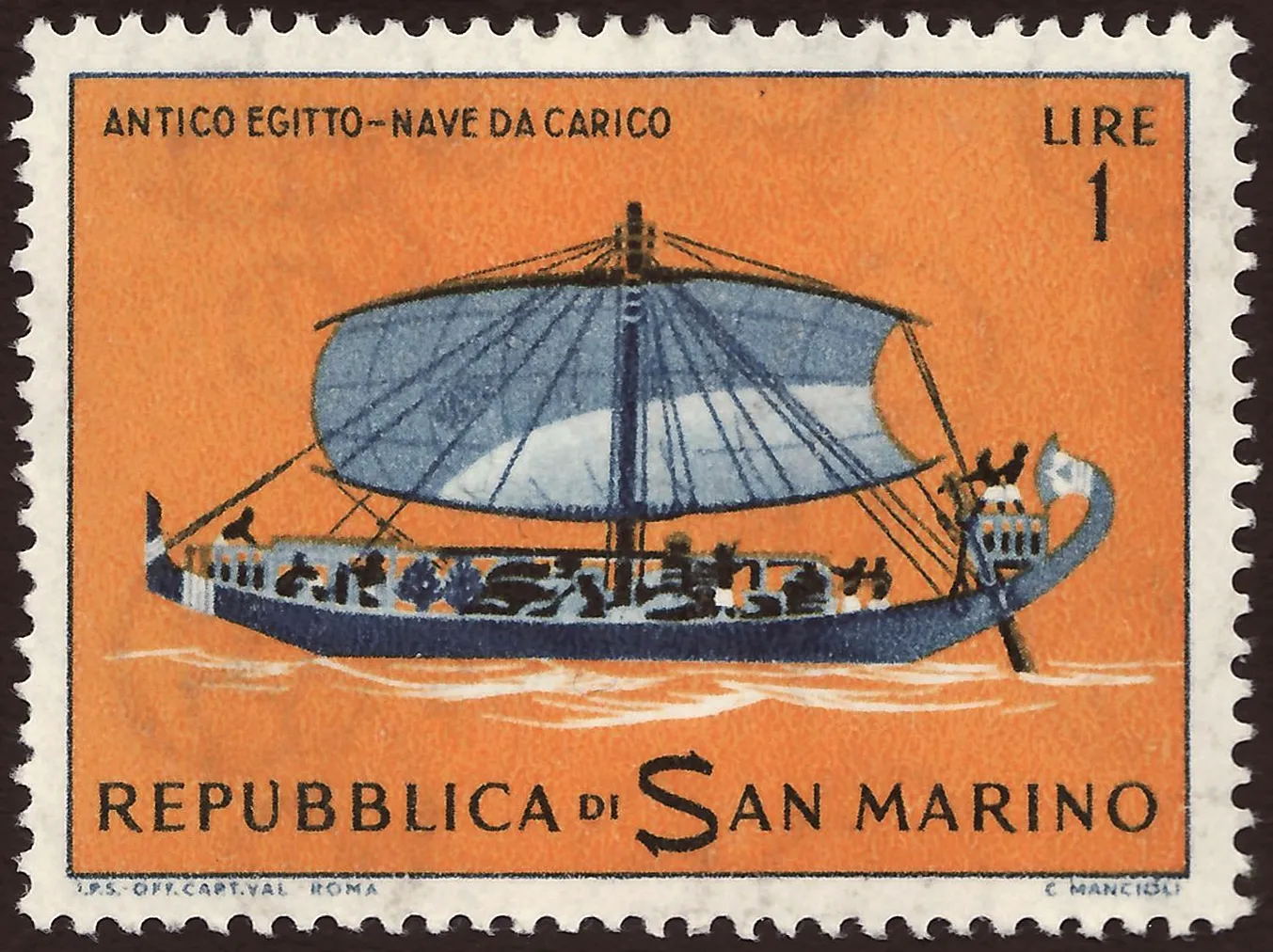
The ancient civilizations of Egypt and Kush were deeply connected by trade networks that stretched across Africa and the eastern Mediterranean. These networks allowed the exchange of valuable goods, knowledge, and cultural traditions for more than a thousand years, shaping the societies along the Nile River and beyond.
Geography played a crucial role in the development of these trade routes. The Nile River, which flows north through Egypt to the Mediterranean Sea, was the main highway of the ancient world. Egyptians used boats to transport goods such as grain, papyrus, and linen to other regions. Farther south, the kingdom of Kush—centered in present-day Sudan—controlled important routes to the African interior. Kushites managed the trade of gold, ivory, ebony, and exotic animals, sending these resources north to Egypt. Archaeologists have found ancient trading posts and recorded evidence of large riverboats, confirming the importance of the Nile for commerce.
The relationship between Egypt and Kush was complex. Sometimes they were rivals, but often they were partners in trade. Egyptian records from the reign of Pharaoh Hatshepsut (about 1479–1458 BCE) describe her famous expedition to the land of Punt, likely in the Horn of Africa. Ships returned with incense, myrrh, and exotic animals, demonstrating the reach of Egyptian trade. Meanwhile, Kushite rulers adopted Egyptian customs, writing, and art, but also kept their own traditions. Tomb paintings and inscriptions reveal that goods from as far away as the Levant and sub-Saharan Africa were exchanged in bustling marketplaces.
Trade influenced every level of society. Merchants, artisans, and farmers all participated in this network, creating jobs and spreading new ideas. Over time, the trade networks expanded to include Greek, Phoenician, and later Roman traders. The flow of resources like gold and grain helped both Egypt and Kush gain wealth and power, but also led to competition and conflict over control of important routes. When Egypt conquered Kush in the New Kingdom (about 1500 BCE), it was partly to secure access to these valuable connections.
The legacy of these ancient trade networks can still be seen today in the art, language, and technology of North and East Africa. By connecting distant peoples, the trade networks of Egypt and Kush influenced the development of civilizations for centuries. Understanding these networks helps historians see how geography, resources, and human ambition shaped the ancient world.
Interesting Fact: Inscriptions in tombs show that giraffes and monkeys from central Africa were brought to Egypt as trade gifts more than 3,000 years ago.
What river connected Egypt and Kush?
Nile RiverAmazon RiverYellow RiverTigris River
Which good did Kush trade?
GoldTeaSilverSilk
Who was the Egyptian ruler with a Punt expedition?
HatshepsutTutankhamunRamses IIAkhenaten
Why did Egypt conquer Kush?
To secure trade routesTo find new godsTo build pyramidsTo escape drought
What effect did trade have on daily life?
Created jobs and spread ideasStopped farmingEnded Nile floodsDestroyed cities
What do tomb paintings and inscriptions show?
Goods from many regionsNo trading happenedOnly farmingOnly Egyptian goods
The Nile was the main trade highway. True or False?
TrueFalse
What is 'legacy' in this passage?
Something handed downA riverA kind of boatA type of grain
Perfect For:
👩🏫 Teachers
• Reading comprehension practice
• Auto-graded assessments
• Literacy skill development
👨👩👧👦 Parents
• Reading practice at home
• Comprehension improvement
• Educational reading time
🏠 Homeschoolers
• Reading curriculum support
• Independent reading practice
• Progress monitoring
Reading Features:
📖
Reading Passage
Engaging fiction or nonfiction text
❓
Comprehension Quiz
Auto-graded questions
📊
Instant Feedback
Immediate results and scoring
📄
Printable Version
Download for offline reading
🔊
Read Aloud
Voice-over with word highlighting
Reviews & Ratings
No reviews yet. Be the first to share your experience!
Related Content
Meroë: Capital of Kush
This passage explores the rise and significance of Meroë, once the capital of the Kingdom of Kush in ancient Africa. Loc...
CA HSS 6.2.6RH.6-8.1RH.6-8.2WHST.6-8.2
First Humans
This engaging history reading passage explores the evolution of early humans, tracing the journey from the earliest homi...
CA HSS 6.1RH.6-8.1RH.6-8.2W.6.2
Ancient Egyptian Afterlife
This engaging history reading passage explores ancient Egyptian beliefs about the afterlife and the construction of the ...
CA HSS 6.2RH.6-8.1RH.6-8.4
Han Dynasty: Wheelbarrow
This passage explores the invention and historical significance of the wheelbarrow during the Han dynasty in ancient Chi...
CA HSS 6.6CCSS RH.6-8.1RH.6-8.2RH.6-8.4
Han Dynasty: Seismograph
Discover the groundbreaking invention of the seismograph during the Han dynasty in ancient China in this engaging histor...