How Oil Drilling and Spills Affect Earth
Interactive passage with audio narration, comprehension questions, and printable PDF.
By completing this purchase you agree to our Terms of Use and Privacy Policy. Your subscription renews automatically until you cancel. You can cancel anytime from your account settings. All sales are final and non-refundable. Digital content is available for download in your account immediately upon purchase.
What's included
How Oil Drilling and Spills Affect Earth preview and details
About this printable How Oil Drilling and Spills Affect Earth science reading passage, NGSS-aligned (Grades 4-6)
Sample passage and quiz from How Oil Drilling and Spills Affect Earth
Reading passage and comprehension quiz preview
How Oil Drilling and Spills Affect Earth
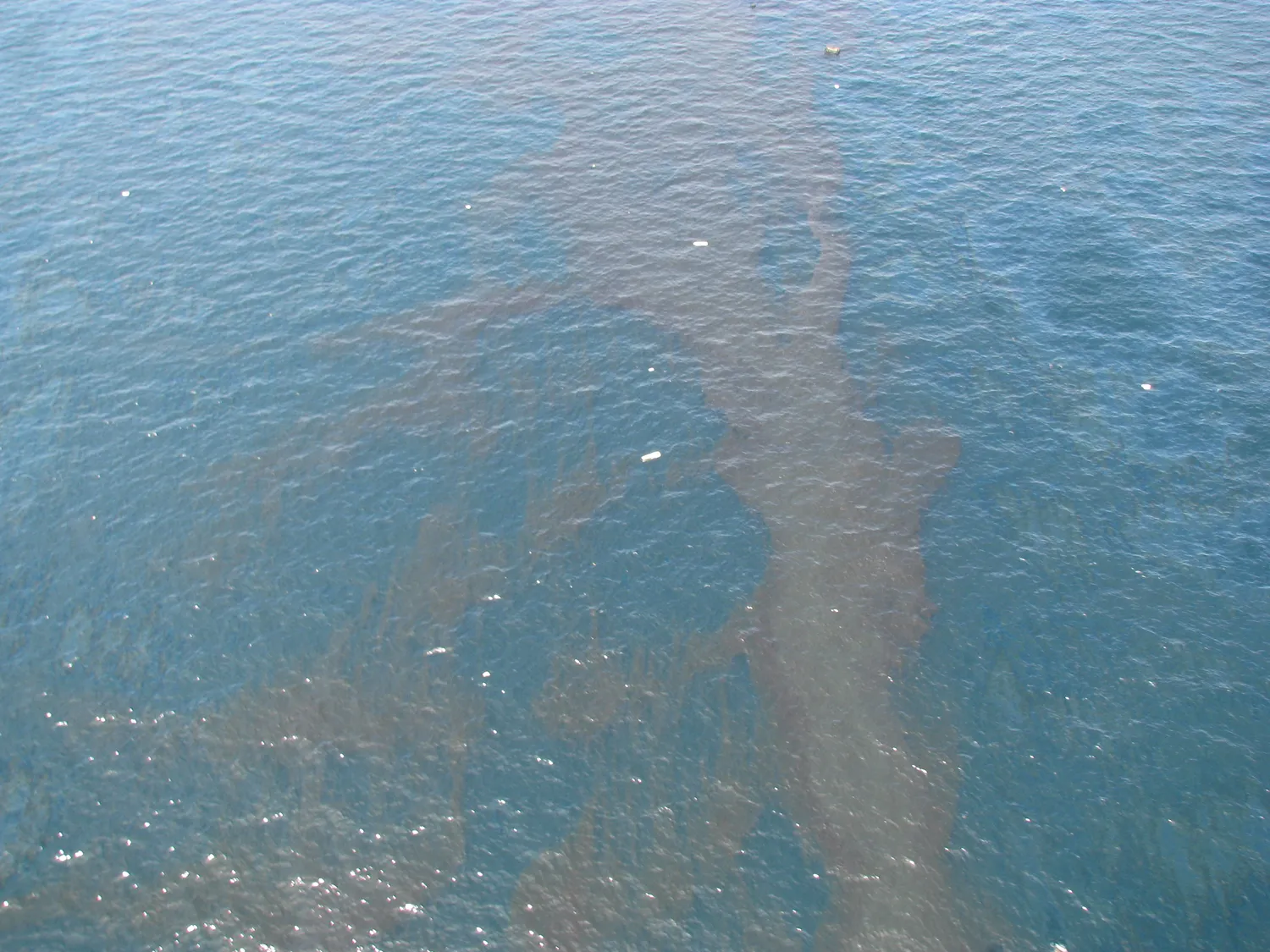
Debris and oil from the Deepwater Horizon drilling platform float in the Gulf of Mexico after the rig sank April 22, 2010. Spilled oil from Deepwater Horizon by US Coast Guard / Wikimedia Commons
Oil drilling is the process of making deep holes in the ground or ocean floor to remove oil trapped in rocks below Earth's surface. People use oil to make gasoline for cars, heat homes, and create plastics. Oil drilling matters because while it provides energy we use every day, it can seriously damage the environment where plants and animals live.
When companies drill for oil on land, they must clear forests and grasslands to build roads and drilling equipment. This destroys habitats—the natural homes where animals find food, water, and shelter. The drilling process also releases chemicals into the soil that can poison plants and contaminate drinking water for nearby communities.
Drilling in the ocean creates even more problems. Offshore drilling platforms are giant structures built in the sea to reach oil beneath the ocean floor. These platforms can leak small amounts of oil every day, harming fish, dolphins, and other marine life—animals and plants that live in the ocean. The noise from drilling also confuses whales and dolphins that use sound to communicate and find food, like trying to have a conversation in a room with a loud jackhammer running constantly.
Sometimes drilling accidents cause oil spills, when large amounts of oil leak into the ocean. In 2010, the Deepwater Horizon oil spill in the Gulf of Mexico released about 200 million gallons of oil into the water. Oil floats on water and forms a thick black layer that blocks sunlight from reaching underwater plants. Birds that land on the water get covered in oil, which destroys the natural oils in their feathers that keep them warm and help them float. Sea turtles, fish, and other animals swallow the oil, making them sick or killing them.
Cleaning up oil spills is extremely difficult and expensive. Workers use special boats with floating barriers called booms to surround the oil and keep it from spreading. They also use chemicals that break oil into smaller drops, but these chemicals can harm marine life too. Even after cleanup efforts, oil can remain on beaches and in the ocean for years, continuing to damage ecosystems.
Interesting Fact: Some bacteria naturally eat oil and help clean up spills, but they work very slowly—it can take decades for them to break down all the oil from a major spill!
Comprehension quiz (8 questions)
1. What is oil drilling?
2. What happens when forests are cleared for drilling?
3. How much oil spilled in the Deepwater Horizon accident?
4. Why does drilling noise harm whales and dolphins?
5. How does oil affect birds that land on it?
6. Why is cleaning up oil spills so difficult?
7. Oil can remain in the ocean for years after a spill.
8. What are booms used for?
Perfect for the way you teach
- Build comprehension skills
- Auto-graded quiz
- Differentiated reading
- Read together at home
- Improve fluency
- Quiet reading time
- Reading curriculum support
- Independent practice
- Track Lexile growth