This learning resource is available in interactive and printable formats. The interactive worksheet can be played online and assigned to students. The Printable PDF version can be downloaded and printed for completion by hand.
Landslides occur when masses of rock or debris move down a slope. They can cause massive destruction and can be triggered by natural and human factors.
CONTENT PREVIEW
Expand content preview
Landslides occur when masses of rock, earth, or debris move down a slope. They can be caused by many factors, including earthquakes, volcanic activity, changes in water levels, stream erosion, or human activities like construction. Some landslides move slowly over time, while others can happen suddenly and without warning.
The speed and size of landslides make them very dangerous. They can bury or crush anything in their path, including buildings, roads, and vehicles. Landslides can also block rivers, causing flooding, or create lakes that may later burst.
Areas with steep slopes, loose soil, and high rainfall are more prone to landslides. Human activities like cutting into hillsides for roads or removing vegetation can increase the risk. Climate change, which is causing more extreme weather events, may also lead to more frequent landslides in some areas.
To reduce landslide risks, experts may use methods like building retaining walls, improving drainage, or planting vegetation to stabilize slopes. In high-risk areas, monitoring systems can detect early signs of land movement, allowing for warnings to be issued.
What is a landslide?
A type of earthquakeA movement of rock, earth, or debris down a slopeA strong windA type of flood
Which of these can cause landslides?
EarthquakesChanges in water levelsHuman construction activitiesAll of the above
Why are landslides dangerous?
They can bury or crush things in their pathThey make loud noisesThey cause high temperaturesThey create strong winds
What type of area is more prone to landslides?
Flat, dry areasAreas with steep slopes and loose soilCold, icy regionsDense urban areas
How might climate change affect landslides?
It might lead to more frequent landslides in some areasIt will stop all landslidesIt will only cause landslides in desertsIt has no effect on landslides
What's one way to reduce landslide risks?
Building more houses on slopesRemoving all vegetation from hillsidesBuilding retaining walls or improving drainageIgnoring the problem
Perfect For:
👩🏫 Teachers
• Reading comprehension practice
• Auto-graded assessments
• Literacy skill development
👨👩👧👦 Parents
• Reading practice at home
• Comprehension improvement
• Educational reading time
🏠 Homeschoolers
• Reading curriculum support
• Independent reading practice
• Progress monitoring
Reading Features:
📖
Reading Passage
Engaging fiction or nonfiction text
❓
Comprehension Quiz
Auto-graded questions
📊
Instant Feedback
Immediate results and scoring
📄
Printable Version
Download for offline reading
🔊
Read Aloud
Voice-over with word highlighting
Reviews & Ratings
No reviews yet. Be the first to share your experience!
Related Content
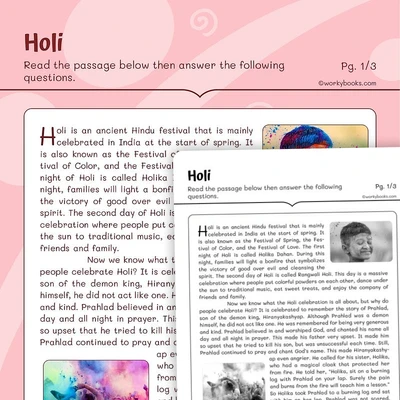
Informational Text on Holi
This informational text on Holi is a great way to teach about this holiday and the story of Prahlad. Comprehension quest...
RI.3.10RF.3.4RF.3.4.ARI.3.1
Informational Text —Meet the Governors
This worksheet will get your students thinking about their state governnor. Included is an informational text on the res...
RI.3.10RF.3.4RF.3.4.ARI.3.1
Informational Text on Goods and Services
This short informational text on goods and services will get your students familliar with this concept. Students will re...
RI.3.10RF.3.4RF.3.4.ARI.3.1
Sharks—Informational Text
This informational text on the sharks will teach your students all about these incredible, ancient animals! Free respons...
RI.3.1RI.3.10RF.3.4RI.3.1
Spider—Main Idea
This informational text on spiders is a great introduction to teaching main idea. Students will be asked, in multiple ch...
RI.3.2RF.3.4RI.3.1RI.2.6
Koi Fish—What’s the Main Idea?
This informational text on koi fish is a great introduction to teaching main idea. Students will be asked, in multiple c...
RI.3.2RF.3.4RI.3.1
Informational Text — Cloud Gazing
This informational text teaches students how different types of clouds are formed. A page with pictures of the different...
RI.3.10RF.3.4RF.3.4.ARI.3.1
Informational Text —Bioluminescence
This informational text on bioluminescence will teach your students about this phenomenon. Examples in nature are provid...
RI.3.10RF.3.4RF.3.4.ARI.3.1
Informational Text —Learn About Dinosaurs
This informational text on dinosaurs with comprehension questions to follow is perfect for teaching main idea. Students ...
RF.3.4RF.3.4.ARF.3.4.CRI.3.2
Informational Text —Volcanoes
This informational text teaches students about the formation and eruptions of volcanoes. Comprehension questions follow ...
RI.3.7RI.3.1RI.3.3RI.3.10
Informational Text —Snowflakes
This informational text on snowflakes will teach your students how snowflakes are formed. Images of several different fl...
RI.3.10RF.3.4RF.3.4.ARI.3.1
Reading Comprehension: The Grand Canyon
This informational text on the Grand Canyon will teach your students all about this incredible wonder of the world! Free...
RI.3.1RI.3.10RI.3.4RF.3.4
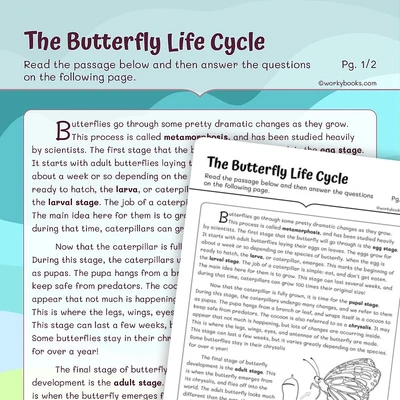
The Butterfly Life Cycle
This informational text on the butterfly lifecycle is perfect for learning how to follow steps in a scientific text. Stu...
RF.3.4RF.3.4.ARI.3.1RI.3.3
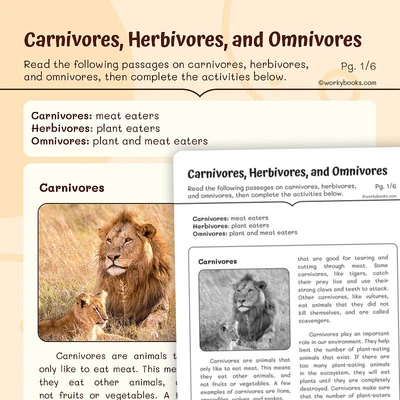
Carnivores, Herbivores, and Omnivores
This informational text on herbivores, omnivores, and carnivores is the perfect resource for comparing and contrasting ...
RI.3.10RI.3.9RI.3.1RF.3.4
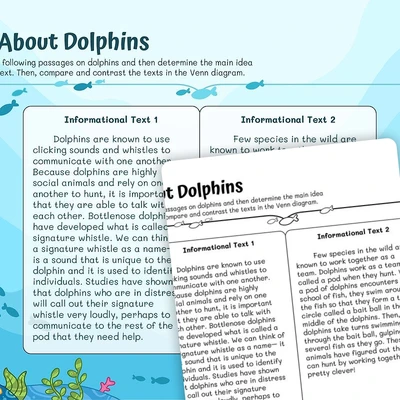
Comparing Non-Fiction texts—All About Dolphins
This informational text on dolphins is the perfect resource for teaching compare and contrast. Students will read two s...
RI.3.9RF.3.4RF.3.4.ARI.3.1
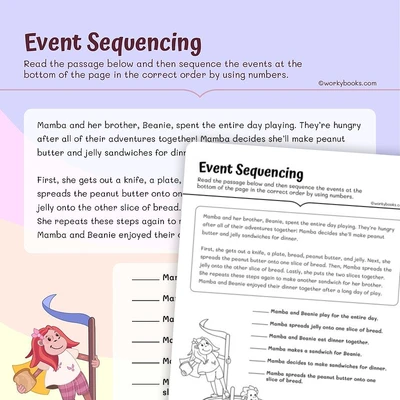
PB Sandwich—Event Sequencing
This worksheet on event sequencing provides a short story that is in the correct chronological order. A jumbled up versi...
RL.3.3RI.3.1RL.3.3
Snorkeling & Scuba Diving
RI.2.2RI.2.6RI.2.10RF.2.4.A
Reading Comprehension— Storms
Practie summarizing paragraphs with this fun science informational text on storms! Students will give the main idea of t...