Understanding Anthropogenic Climate Change
Interactive passage with audio narration, comprehension questions, and printable PDF.
What's included
Understanding Anthropogenic Climate Change preview and details
About this printable Understanding Anthropogenic Climate Change science reading passage, NGSS-aligned (Grades 3-8)
Sample passage and quiz from Understanding Anthropogenic Climate Change
Reading passage and comprehension quiz preview
Understanding Anthropogenic Climate Change
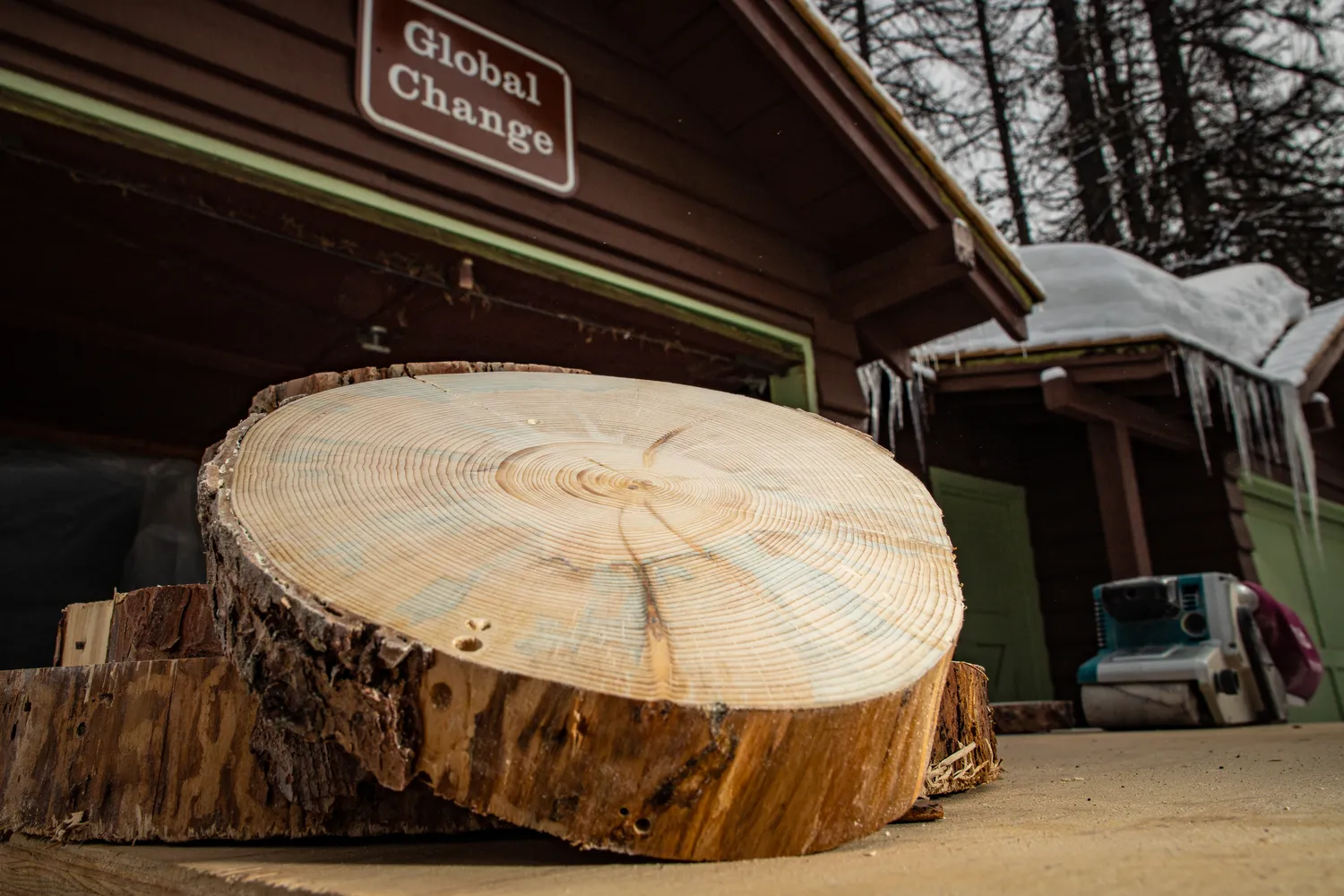
One way of studying past climates is by looking at the growth rings on trees. Climatic conditions can be inferred by variations in the tree's rings. GlacierNPS / Wikimedia Commons (Public domain).
Anthropogenic climate change refers to changes in Earth’s climate that are caused by human activities. The word anthropogenic comes from “anthro,” meaning human, and “genic,” meaning caused by. Unlike natural changes that happen over thousands of years, human-caused climate change is happening much faster—mostly because of the burning of fossil fuels like coal, oil, and natural gas.
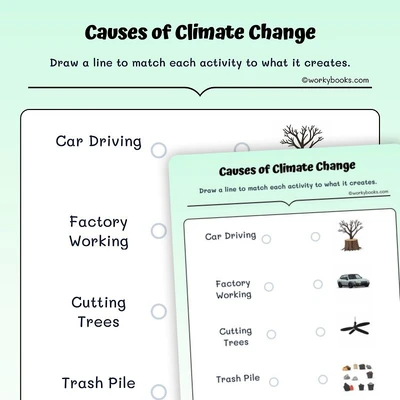
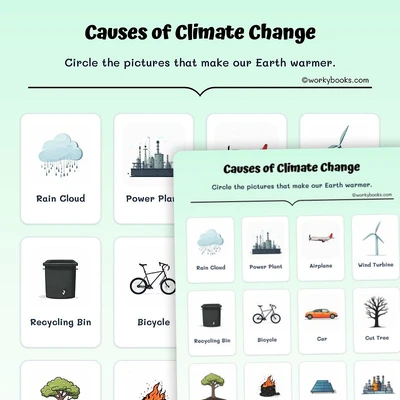
When we burn fossil fuels for energy in cars, factories, and power plants, we release greenhouse gases such as carbon dioxide (CO₂) into the atmosphere. These gases trap heat from the sun, causing Earth’s temperature to rise. This is known as the greenhouse effect. Although the greenhouse effect is natural and necessary for life on Earth, adding too many greenhouse gases has made it stronger and is warming the planet at an unnatural rate.
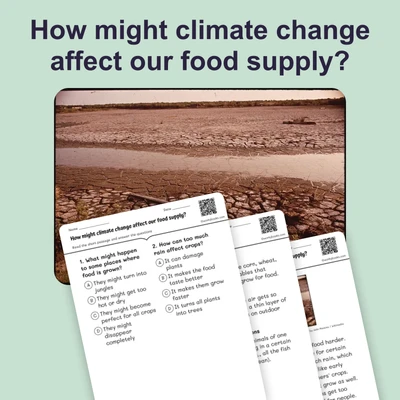
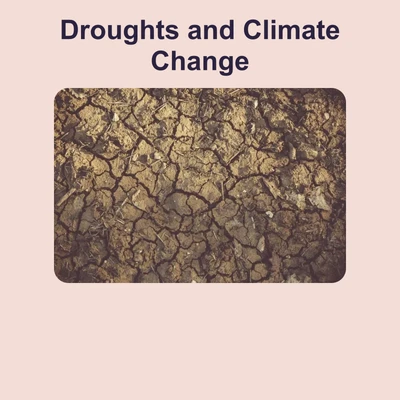
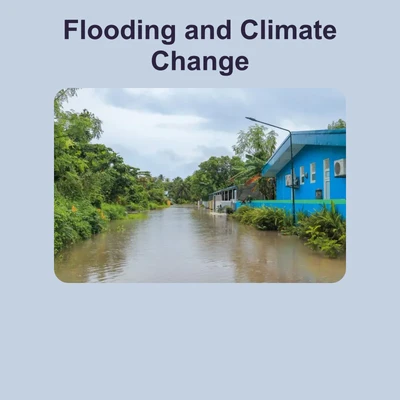
Scientists have found clear evidence that global temperatures have increased since the Industrial Revolution. Melting glaciers, rising sea levels, and more extreme weather—like heatwaves and hurricanes—are all signs of anthropogenic climate change. It affects not only nature but also people, especially in low-lying and hot areas.
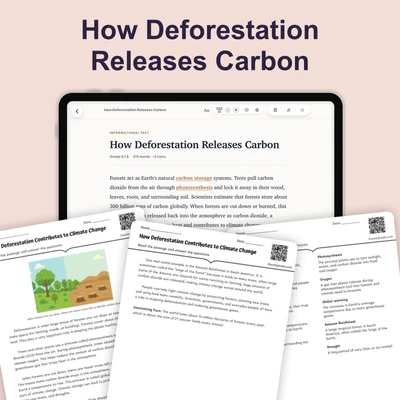
Humans also contribute to climate change through deforestation. Trees absorb CO₂, so when forests are cut down, more carbon dioxide stays in the air. Activities like farming and waste production also add to greenhouse gas emissions.
Reducing anthropogenic climate change involves actions like using renewable energy (such as solar and wind), improving energy efficiency, and protecting forests. People can also help by using public transportation, recycling, and conserving energy at home.
Understanding anthropogenic climate change is important for protecting our planet. If people around the world work together, we can reduce its effects and create a healthier future.
: The concentration of CO₂ in the atmosphere today is higher than at any time in at least 800,000 years!
Comprehension quiz (8 questions)
1. What does “anthropogenic” mean?
2. What is the main cause of anthropogenic climate change?
3. Which gas is most linked to human-caused climate change?
4. What is one result of the greenhouse effect?
5. How does deforestation add to climate change?
6. Which of the following can help reduce anthropogenic climate change?
7. What is the main idea of this passage?
8. If people switch to solar energy, what might happen?
Perfect for the way you teach
- Build comprehension skills
- Auto-graded quiz
- Differentiated reading
- Read together at home
- Improve fluency
- Quiet reading time
- Reading curriculum support
- Independent practice
- Track Lexile growth