Transportation and Climate Change
Interactive passage with audio narration, comprehension questions, and printable PDF.
By completing this purchase you agree to our Terms of Use and Privacy Policy. Your subscription renews automatically until you cancel. You can cancel anytime from your account settings. All sales are final and non-refundable. Digital content is available for download in your account immediately upon purchase.
What's included
Transportation and Climate Change preview and details
About this printable Transportation and Climate Change science reading passage, NGSS-aligned (Grades 6-8)
Sample passage and quiz from Transportation and Climate Change
Reading passage and comprehension quiz preview
Transportation and Climate Change
Every time you ride in a car, bus, or airplane, that trip has a carbon cost. Transportation refers to how people and goods move from place to place. Most cars, trucks, buses, ships, and airplanes run on fuels made from oil. These fossil fuels include gasoline, diesel, and jet fuel. When engines burn these fuels, they release carbon dioxide directly into the air.
Scientists explain that transportation is one of the largest sources of greenhouse gas emissions worldwide. Evidence shows that these emissions trap heat in Earth's atmosphere. This process contributes to climate change. Transportation creates so many emissions partly because millions of people and goods are constantly on the move. Every day, vehicles carry students to school, workers to jobs, and products to stores.
The carbon cost varies depending on the type of travel. A quick car trip to the grocery store releases some carbon dioxide from the tailpipe. A cargo ship crossing the ocean burns thousands of gallons of diesel fuel over several weeks. A jet airplane leaves a visible contrail in the sky and releases large amounts of carbon dioxide at high altitudes. Scientists observe that longer trips and certain types of vehicles produce more emissions than others. A single flight across the country can release as much carbon dioxide per person as several months of driving.
Real-world data helps us understand the scale of this problem. In the United States, transportation accounts for about one-third of all carbon dioxide emissions. Personal vehicles like cars and trucks make up the largest portion of transportation emissions. This happens because so many families own vehicles and use them daily.
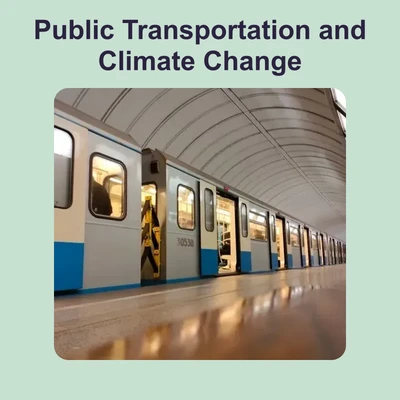
Solutions exist that can reduce transportation emissions significantly. Electric vehicles run on batteries instead of gasoline. They produce no tailpipe emissions. When charged using renewable energy sources, electric vehicles can cut emissions dramatically. Public transit systems like buses and trains move many people at once. This means fewer individual vehicles on the road and lower emissions per person. Scientists and engineers continue developing cleaner fuels and more efficient engines.
Understanding transportation's role in climate change matters because our choices can make a difference. Choosing to walk, bike, carpool, or use public transit reduces individual carbon footprints. Supporting policies that promote electric vehicles and better public transportation can create larger changes. Every trip we take connects to Earth's climate system in measurable ways.
Interesting Fact: A single cargo ship can burn more than 150 tons of fuel per day while crossing the ocean. That equals the fuel consumption of about 50 million cars driving the same distance.
Comprehension quiz (10 questions)
1. What do most cars, trucks, buses, ships, and airplanes run on?
2. What happens when engines burn fossil fuels?
3. What does the term 'greenhouse gas emissions' mean in the passage?
4. According to the passage, what is a 'contrail'?
5. Why does transportation create so many emissions?
6. How does a single flight across the country compare to driving in terms of carbon dioxide emissions?
7. What advantage do electric vehicles have over gasoline-powered vehicles?
8. How does public transit help reduce emissions?
9. True or False: In the United States, transportation accounts for about one-third of all carbon dioxide emissions.
10. True or False: All types of transportation produce the same amount of carbon dioxide emissions regardless of distance or vehicle type.
Perfect for the way you teach
- Build comprehension skills
- Auto-graded quiz
- Differentiated reading
- Read together at home
- Improve fluency
- Quiet reading time
- Reading curriculum support
- Independent practice
- Track Lexile growth