What Are Rocks Made Of
Interactive passage with audio narration, comprehension questions, and printable PDF.
By completing this purchase you agree to our Terms of Use and Privacy Policy. Your subscription renews automatically until you cancel. You can cancel anytime from your account settings. All sales are final and non-refundable. Digital content is available for download in your account immediately upon purchase.
What's included
What Are Rocks Made Of preview and details
About this printable What Are Rocks Made Of science reading passage, NGSS-aligned (Grades 3-5)
Sample passage and quiz from What Are Rocks Made Of
Reading passage and comprehension quiz preview
What Are Rocks Made Of
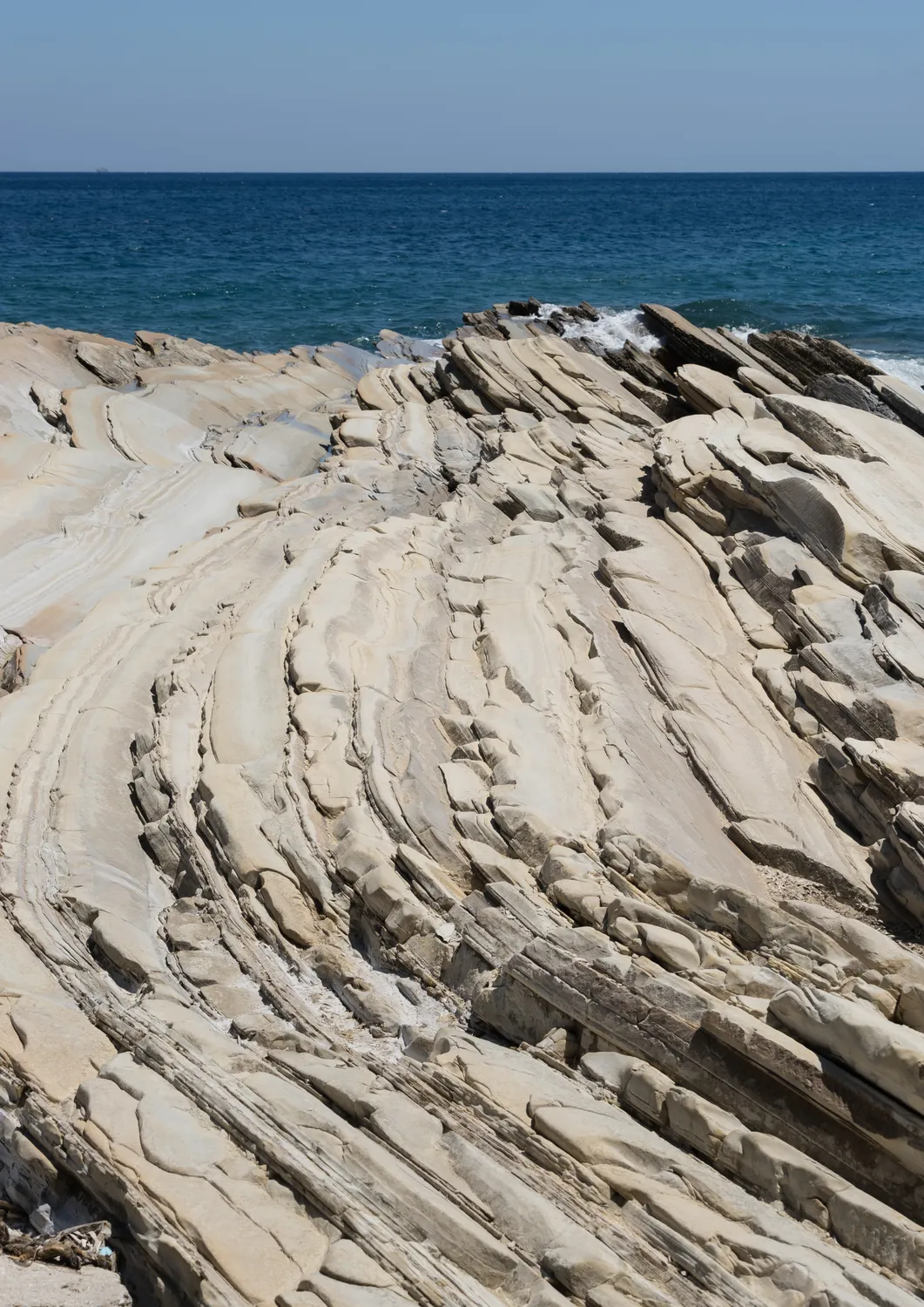
"Rocks in Karystos Euboea Greece" by Jebulon / Wikimedia Commons.
Rocks are solid materials found all around us on Earth. They are made of one or more minerals, which are natural, nonliving substances that form in the ground. Understanding what rocks are made of helps scientists learn about Earth's history and how our planet changes over time.
Different combinations of minerals create different types of rocks. Some rocks contain just one mineral. For example, marble is made mostly of a single mineral called calcite. Other rocks are made of many minerals mixed together. Granite is a good example of this type of rock. When you look closely at granite, you can see tiny specks of different colors. Each colored speck is a different mineral. Granite usually contains minerals like quartz, feldspar, and mica all mixed together.
When you examine rocks carefully, you can see the minerals inside them. Sometimes minerals appear as tiny grains, which look like small bits of sand stuck together. Other times, minerals form crystals, which have flat surfaces and regular shapes. Some rocks even show layers where different minerals are stacked on top of each other. These visible features help us understand that rocks are really mixtures of natural materials from Earth.
Interesting Fact: The largest crystal ever found was discovered in a cave in Mexico and was longer than a school bus—over 39 feet long!
Comprehension quiz (8 questions)
1. What are rocks made of?
2. Which rock is made of one mineral?
3. What can you see in granite?
4. Why do scientists study rocks?
5. How do crystals look different from grains?
6. What does granite usually contain?
7. Minerals are living substances.
8. What are grains in rocks?
Perfect for the way you teach
- Build comprehension skills
- Auto-graded quiz
- Differentiated reading
- Read together at home
- Improve fluency
- Quiet reading time
- Reading curriculum support
- Independent practice
- Track Lexile growth