
Passage
Grades 5–8
Does Earth's Mantle Flow Like Liquid
Reading Passage · MS-ESS2-1
$1.50

Explore our collection of Earth's Structure curriculum resources for grades K-8. From worksheets and reading passages to games and hands-on activities, these materials help students understand the layers of the Earth, plate tectonics, and more. Whether you're teaching kindergarten or eighth grade, you'll find printable and digital resources that build foundational knowledge and deepen understanding.
Reading Passage · MS-ESS2-1
Reading Passage · MS-ESS2-1
Reading Passage · MS-ESS2-1
Reading Passage · MS-ESS2-1
Reading Passage · MS-ESS2-1
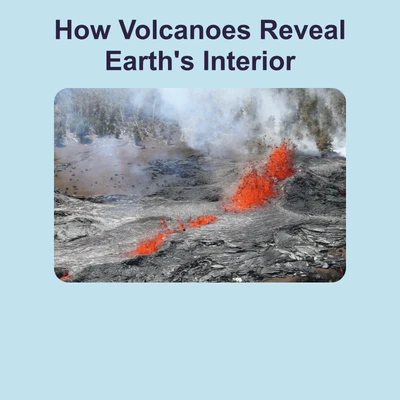
Reading Passage · MS-ESS2-1
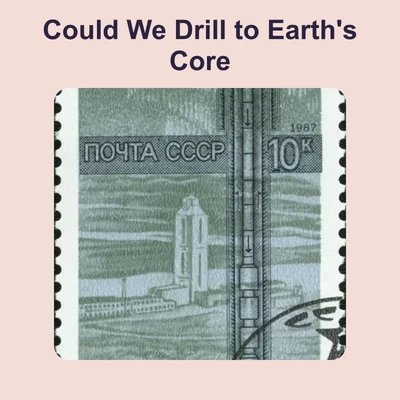
Reading Passage · MS-ESS2-1
Three ways to use Workybooks — pick what fits.
In the earliest grades, students begin by identifying the basic layers of the Earth: crust, mantle, and core. They learn simple concepts like the Earth's surface being made of land and water, and that rocks and soil come from the Earth. As students progress through upper elementary and middle school, they explore plate tectonics, earthquakes, volcanoes, and the rock cycle. Related concepts include continental drift, seismic waves, and landform formation. These resources scaffold from simple labeling and coloring activities to more complex reading passages, graphic organizers, and interactive games.
Across the K-8 spectrum, students practice critical thinking, data interpretation, and scientific vocabulary. They develop skills in comparing and contrasting Earth's layers, analyzing how tectonic forces shape the planet, and understanding the role of natural processes. Our teacher-authored, no-prep materials are designed to be classroom-ready and standards-aligned, supporting differentiated instruction for diverse learners.
Teachers can use this hub to find the right level for their class, whether introducing Earth's layers in second grade or diving into plate boundaries in eighth grade. For mixed-ability rooms, choose from differentiated worksheets and scaffolded reading passages. Use printable worksheets for independent practice, homework, or assessment. Digital resources work well for whole-group instruction or literacy centers. Small groups can explore games and hands-on activities together, while intervention groups benefit from targeted review materials. These resources also support review before tests and can be used for both formative and summative assessment.
These resources align with Common Core State Standards for literacy in science and technical subjects, as well as Next Generation Science Standards (NGSS) for Earth and space science across grades K-8. Activities are designed to meet grade-level expectations for reading, writing, and scientific inquiry.
Yes, many of our Earth's Structure worksheets are printable. You can download and print them for classroom use. Some resources are also available in digital format for online learning. Note that most resources require a paid membership, though some are free.
Absolutely. Our Earth's Structure worksheets for kids are designed for grades K-8, with age-appropriate content and activities. Younger students enjoy simple labeling and coloring, while older kids tackle reading passages and data analysis.
These resources span kindergarten through eighth grade. We offer materials that progress from basic concepts in early grades to more advanced topics like plate tectonics and the rock cycle in upper grades.
Some resources are free, but most require a paid Workybooks membership. With a membership, you get unlimited access to all worksheets, games, readers, and activities across every grade and subject.