
Interactive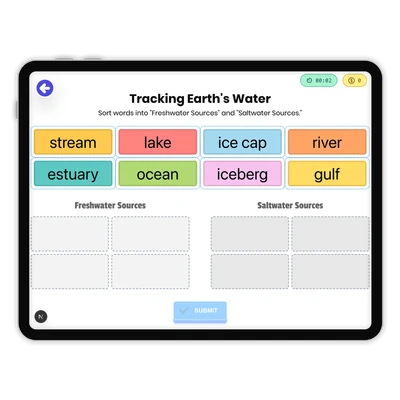

Grades 1–5
Tracking Earth's Water
Game
$1.50

Explore our Earth's Systems curriculum resources hub, designed for grades K-8. This collection of worksheets, games, readers, and activities helps students understand the interconnected systems of our planet. Whether you teach kindergarten or middle school, you'll find no-prep, standards-aligned materials to support your science lessons.
Game
Game
Game
Game
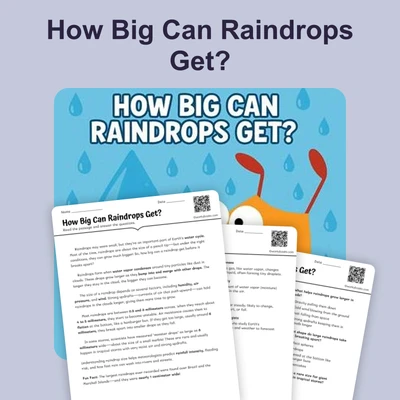
Reading Passage
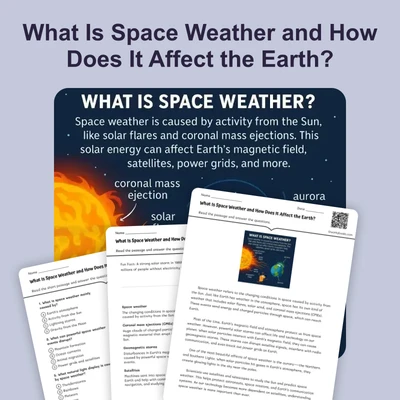
Reading Passage · MS-ESS2-2
40% off until Aug 1
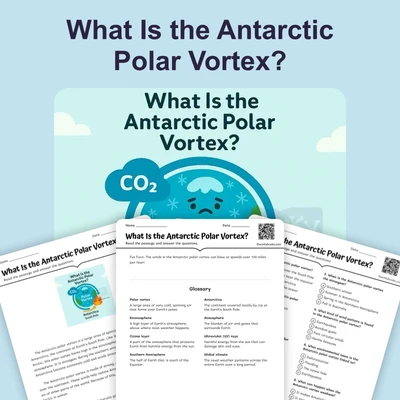
Reading Passage · MS-ESS2-5
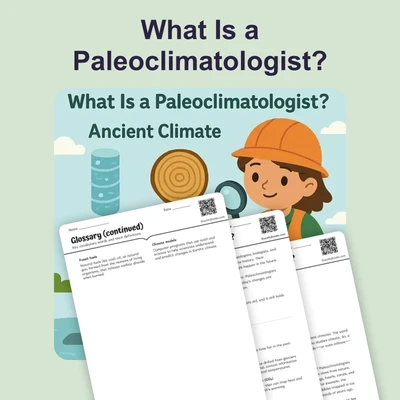
Reading Passage
Reading Passage · MS-ESS2-4
Reading Passage
Reading Passage
Reading Passage
Reading Passage
40% off until Aug 1
Reading Passage
Reading Passage
Reading Passage
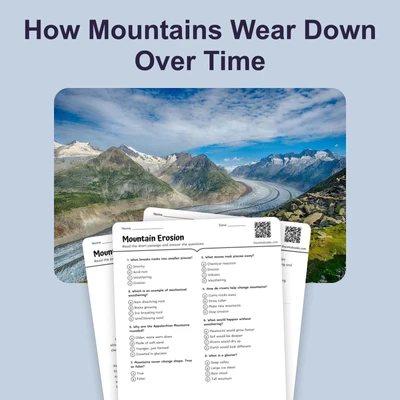
Reading Passage
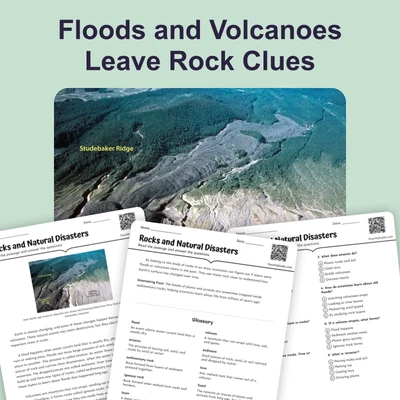
Reading Passage
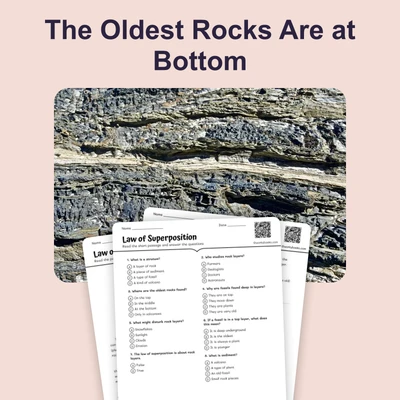
Reading Passage
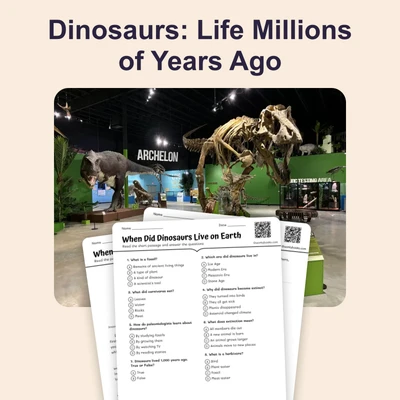
Reading Passage
40% off until Aug 1
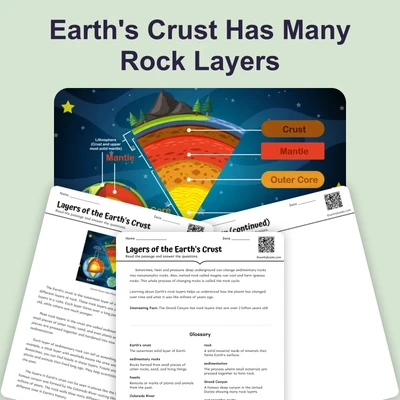
Reading Passage
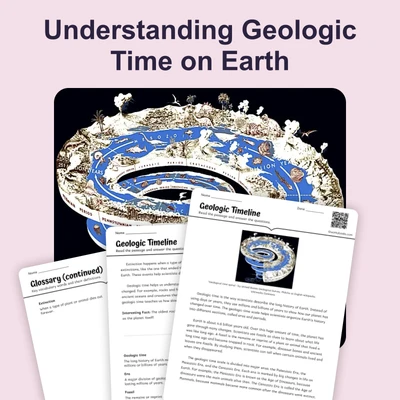
Reading Passage
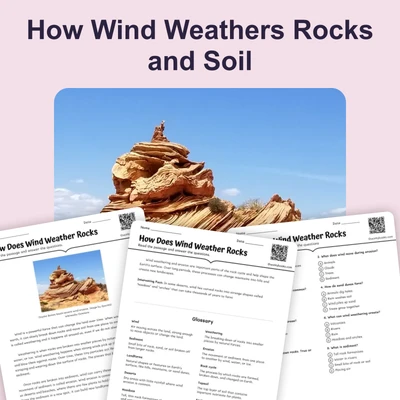
Reading Passage
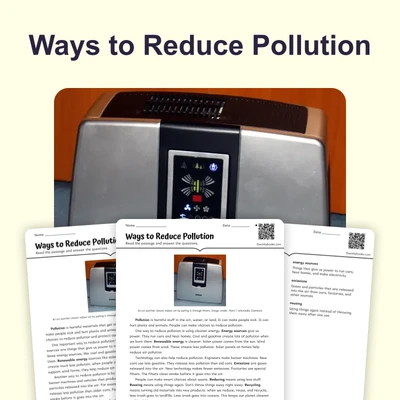
Reading Passage · NGSS 4-ESS3-1
Reading Passage · NGSS 4-ESS3-1
Reading Passage · NGSS 4-ESS3-1
Reading Passage · NGSS 4-ESS3-1
40% off until Aug 1
Reading Passage · NGSS 4-ESS2-2
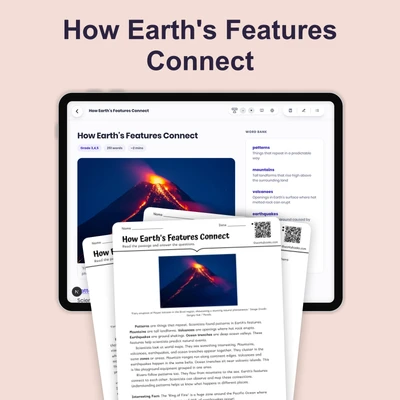
Reading Passage · NGSS 4-ESS2-2
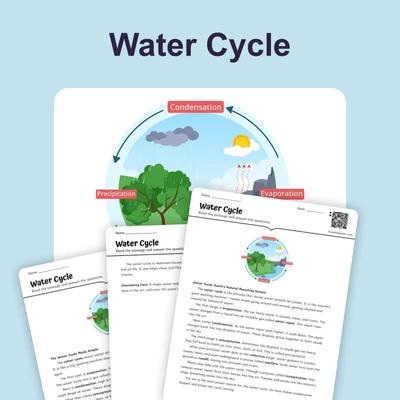
Reading Passage · RI.4.4
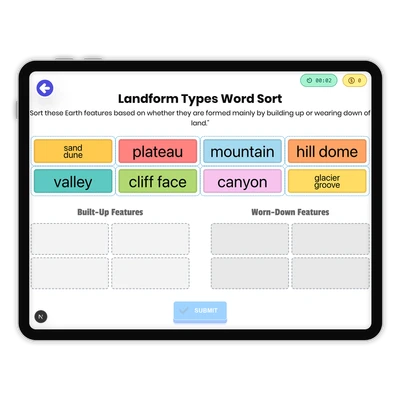
Game · 4-ESS2-2
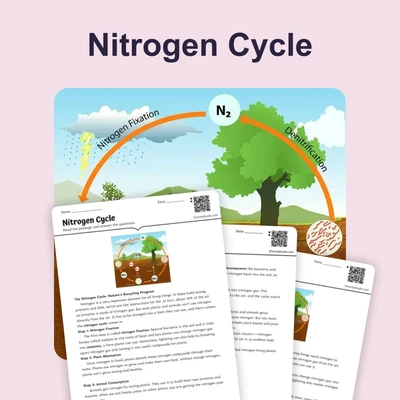
Reading Passage · RI.4.4
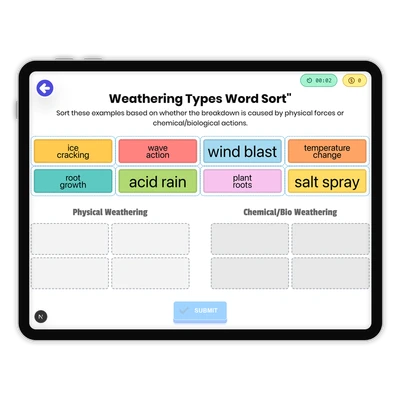
Game · 4-ESS2-1
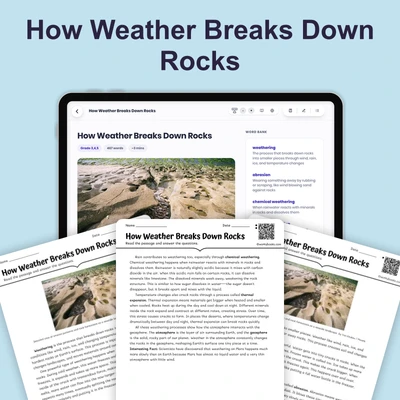
Reading Passage · 5-ESS2-1
40% off until Aug 1
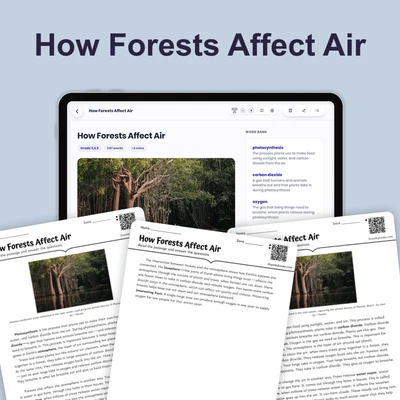
Reading Passage · 5-ESS2-1
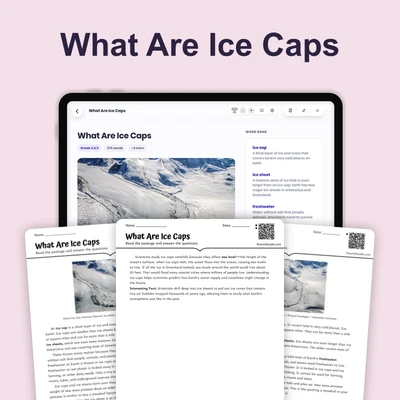
Reading Passage · 5-ESS2-2
Reading Passage · 5-ESS2-2
Reading Passage · 5-ESS2-2
Reading Passage · 5-ESS2-2
Reading Passage
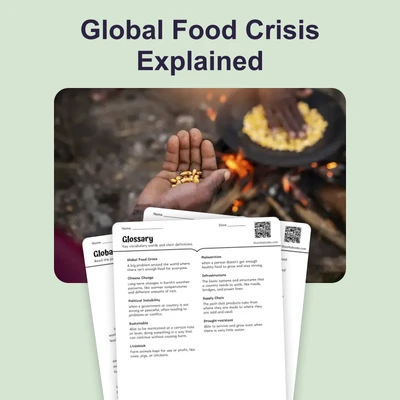
Reading Passage
40% off until Aug 1
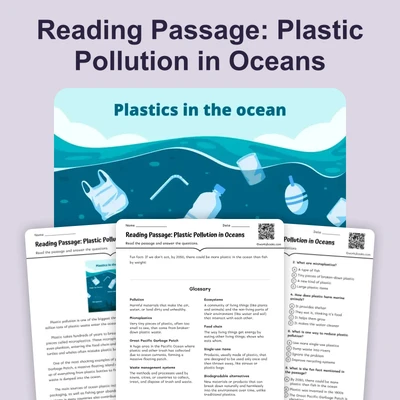
Reading Passage
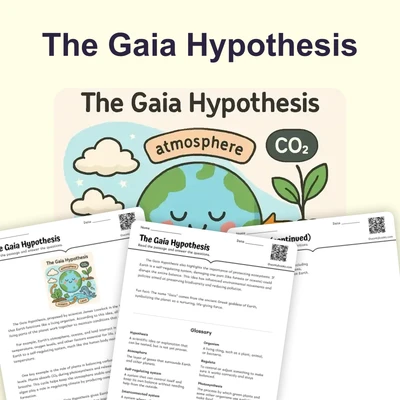
Reading Passage
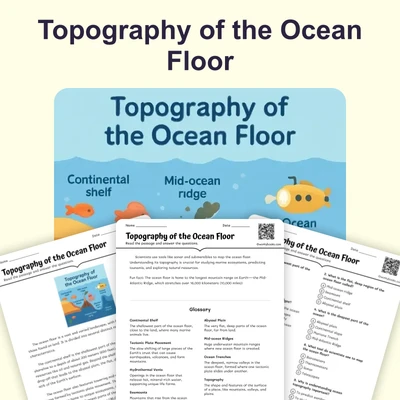
Reading Passage · RI.5.3
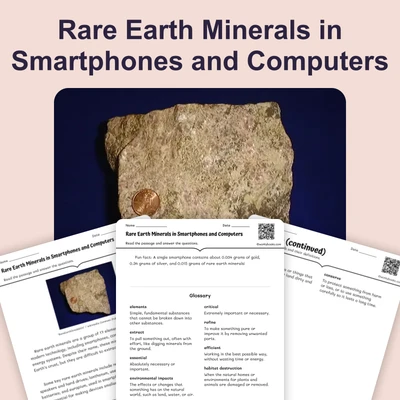
Reading Passage · RI.5.3
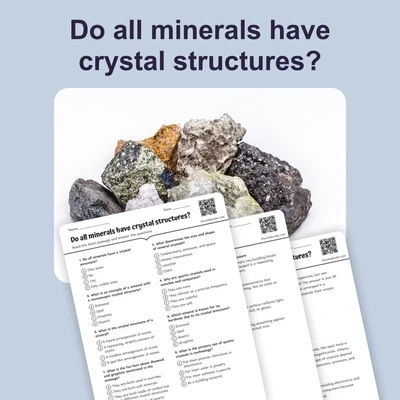
Reading Passage · RI.5.3
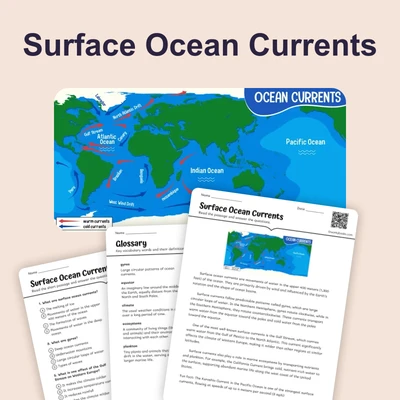
Reading Passage · RI.5.3
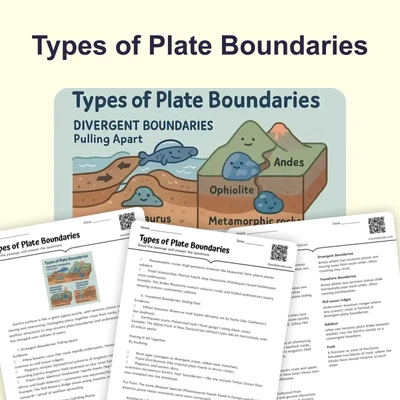
Reading Passage · MS-ESS2-3
Reading Passage · MS-ESS2-3
Reading Passage · MS-ESS2-5
Three ways to use Workybooks — pick what fits.
In the earliest grades, students begin by identifying Earth's basic spheres: the geosphere, hydrosphere, atmosphere, and biosphere. They sort water sources into freshwater and saltwater, classify landforms and bodies of water, and explore how water exists in different states. As students progress through upper elementary and into middle school, the focus shifts to deeper understanding of Earth's structure, including layers of the Earth, plate tectonics, and the rock cycle. They examine natural resources, both renewable and nonrenewable, and investigate human impact on Earth through topics like pollution, climate change, and conservation. Reading passages introduce real-world careers such as atmospheric physicists and paleoclimatologists, while activities like building terrain models and tracking water distribution reinforce key concepts. Throughout this progression, students develop skills in observation, classification, data analysis, and critical thinking as they connect Earth's systems to everyday life.
Related concepts covered include weather and climate, air pressure, convection currents, clouds, storm surge, space weather, and the water cycle. These resources are teacher-authored and classroom-ready, offering a mix of printable worksheets, digital activities, graphic organizers, and reading passages. Some resources are free, while others require a paid Workybooks membership. This hub provides a comprehensive toolkit for teaching Earth's Systems across multiple grade levels.
Teachers can use this hub to differentiate instruction across a mixed-ability classroom. For whole-group lessons, project a digital activity or reading passage to introduce a concept. Small groups can work on hands-on activities like building terrain models or sorting water sources. Independent practice is supported with printable worksheets and graphic organizers, perfect for literacy centers or homework. Use the reading passages for intervention or enrichment, and the games for review. The scaffolded resources allow you to choose the right level for each student, from basic classification to complex analysis of human impact. Mix printable and digital resources to accommodate different learning environments.
These resources are aligned with Common Core State Standards for literacy in science and technical subjects, as well as Next Generation Science Standards for Earth's Systems. They support grade-level expectations for reading informational texts, analyzing data, and constructing explanations across grades K-8.
Yes, many of our Earth's Systems worksheets are printable and can be downloaded for classroom use. Some resources are free, while others require a paid Workybooks membership. You can also access digital versions for use on devices.
Absolutely. Our Earth's Systems worksheets for kids span grades K-8, with content that progresses from basic identification of Earth's spheres in early grades to more complex topics like human impact and climate in upper grades. You can filter by grade to find the right level.
In addition to worksheets, this hub includes reading passages, hands-on activities, graphic organizers, games, and digital interactives. You'll find materials like terrain model building, water sorting activities, and career-focused reading passages.
The resources are scaffolded by grade and complexity. Use simpler classification activities for struggling learners and more analytical reading passages for advanced students. Mix printable and digital formats to accommodate different learning styles and settings.