
Passage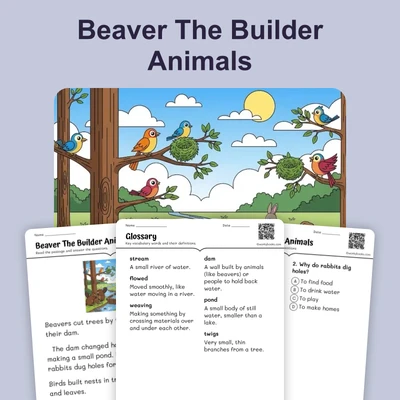
Grades K–2
Beaver The Builder Animals
Reading Passage · ESS2-2
Free

Explore our Living and Nonliving curriculum resources hub, designed for grades K-8. This collection of printable and digital worksheets, games, readers, and activities helps teachers and parents introduce and deepen understanding of what makes something alive. Resources span from basic identification to complex classification.
Reading Passage · ESS2-2
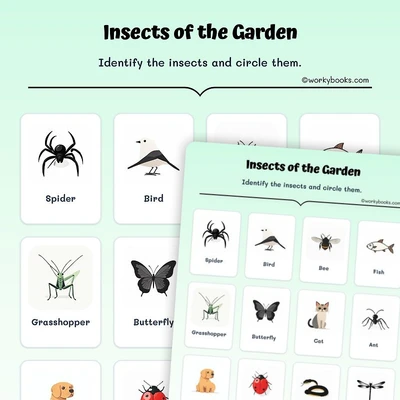
Worksheet · NGSS K-LS1-1
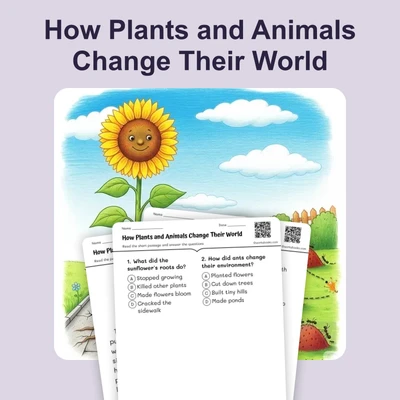
Reading Passage · ESS2-2
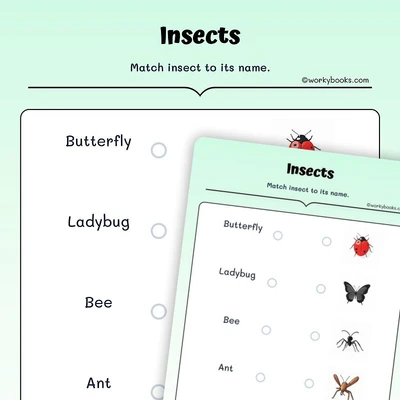
Worksheet · NGSS K-ESS3-1
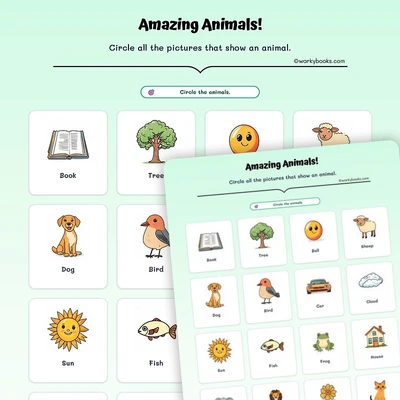
Worksheet · NGSS K-LS1-1
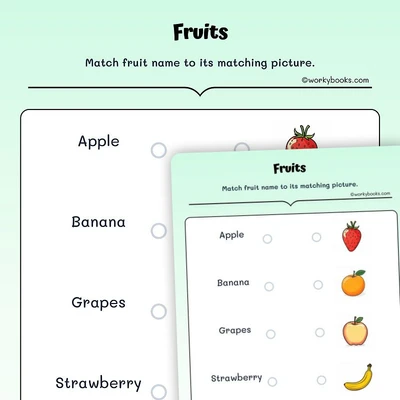
Worksheet · NGSS K-LS1-1
40% off until Aug 1
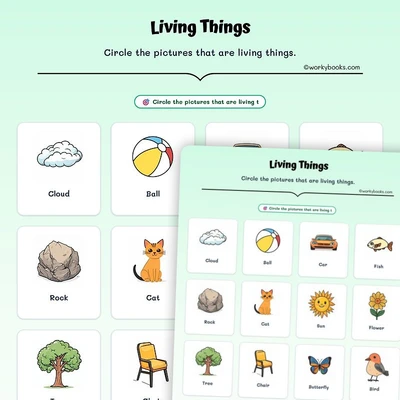
Worksheet · NGSS K-LS1-1
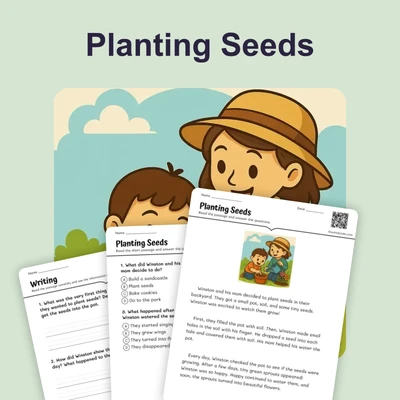
Reading Passage · RL.2.10
Worksheet · NGSS 3-PS2-3
Reading Passage
Reading Passage
Three ways to use Workybooks — pick what fits.
In the earliest grades, students learn to distinguish living from nonliving things by observing characteristics such as movement, growth, and need for food and water. They practice sorting pictures of animals, plants, and objects like rocks or toys. As students progress through upper elementary and middle school, they explore more nuanced concepts like cellular organization, reproduction, response to stimuli, and energy use. Related concepts include habitats, life cycles, and basic needs of organisms.
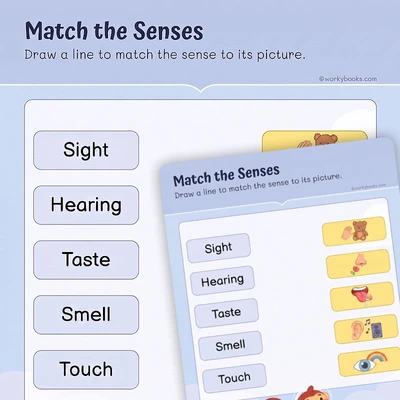
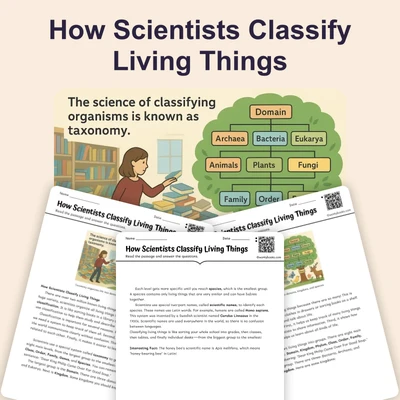
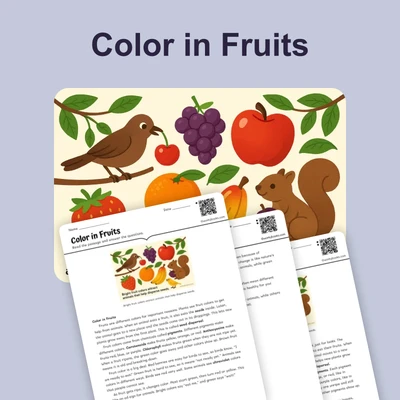
Our resources build skills in observation, classification, vocabulary, and critical thinking. Activities include matching, sorting, reading passages, graphic organizers, and interactive games. Themes reflect real content such as fruit matching and identifying living things from mixed sets. These scaffolded materials support differentiation across grade levels and ability levels.
Teachers can use this hub to find the right level for whole-group instruction, then differentiate for small groups and centers using varied worksheets and games. For independent practice, assign printable or digital activities that reinforce key concepts. Homework and intervention resources target specific skills like identifying characteristics of life. Use the readers and graphic organizers for literacy centers or review stations. Mix and match free and membership resources to assess understanding or provide enrichment. The range of difficulty across grades allows you to meet students where they are.
These resources align with grade-level Common Core standards for reading informational text and writing, as well as science standards for understanding characteristics of living things. They support foundational skills in observation, classification, and evidence-based reasoning across elementary and middle school grades.
Yes, many of our Living and Nonliving worksheets are printable and ready to use in your classroom. Some resources are free, while others require a paid Workybooks membership to download. You can easily print them for hands-on activities.
Absolutely. Our Living and Nonliving worksheets for kids span grades K-8, with content that progresses from simple sorting in kindergarten to more complex classification in upper grades. You can select the appropriate level for your students.
This hub includes a variety of resource types: interactive games, reading passages, graphic organizers, and hands-on activities. These are designed to engage different learning styles and support both whole-class and small-group instruction.
You can use the worksheets and activities as formative or summative assessments. For example, have students complete a sorting activity to check understanding, or use a reading passage with comprehension questions to evaluate deeper learning. Many resources are no-prep and classroom-ready.