
Passage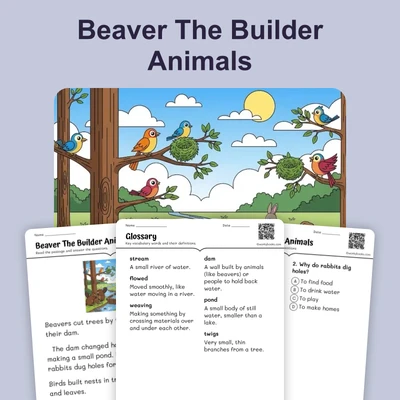
Grades K–2
Beaver The Builder Animals
Reading Passage · ESS2-2
Free

Explore our comprehensive collection of Living Things curriculum resources for grades K-5. From living vs. nonliving to body systems, these worksheets, games, readers, and activities build foundational biology concepts across grade levels. Perfect for elementary teachers and parents seeking engaging, standards-aligned materials.
Reading Passage · ESS2-2
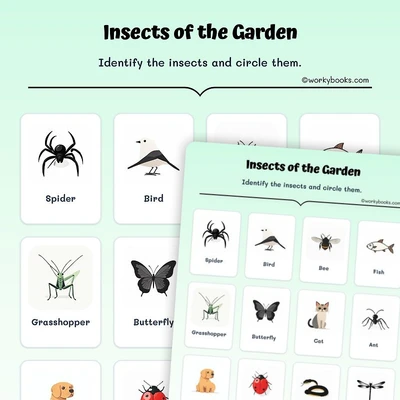
Worksheet · NGSS K-LS1-1
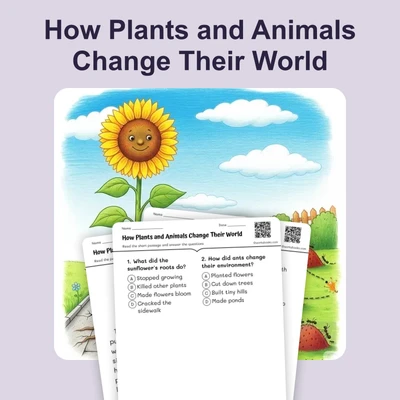
Reading Passage · ESS2-2
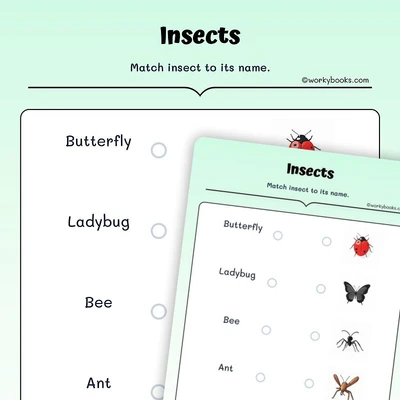
Worksheet · NGSS K-ESS3-1
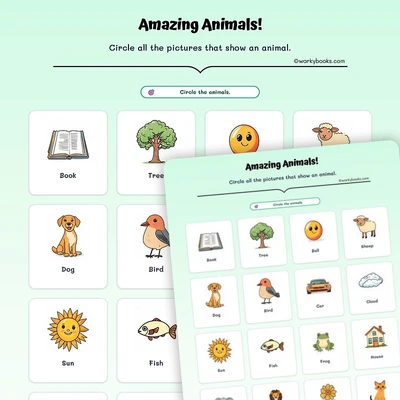
Worksheet · NGSS K-LS1-1
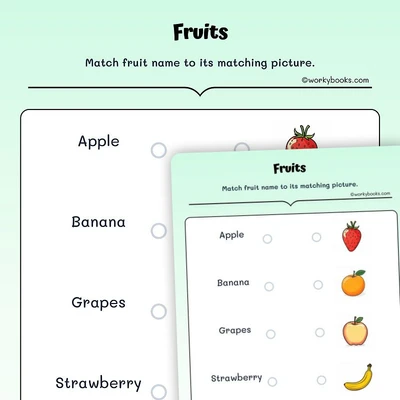
Worksheet · NGSS K-LS1-1
40% off until Aug 1
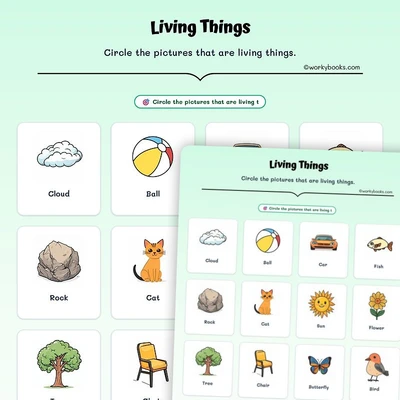
Worksheet · NGSS K-LS1-1

Worksheet · NGSS K-LS1-1

Worksheet · NGSS 4-LS1-1
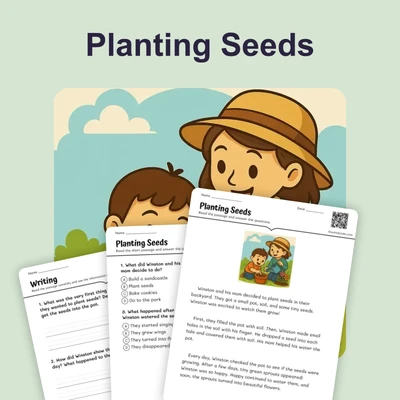
Reading Passage · RL.2.10
Reading Passage
Worksheet · NGSS 3-PS2-3
Reading Passage
40% off until Aug 1
Reading Passage
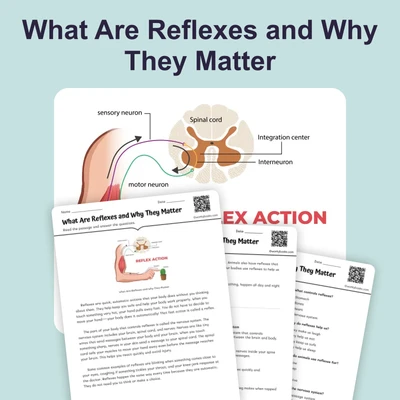
Reading Passage
Reading Passage
Reading Passage
Reading Passage
Reading Passage
Reading Passage
40% off until Aug 1
Reading Passage
Reading Passage
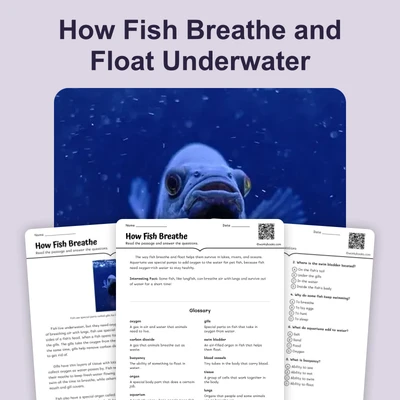
Reading Passage
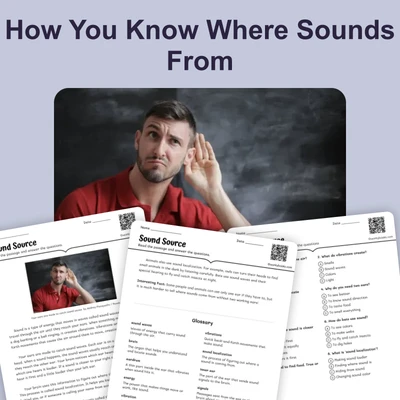
Reading Passage
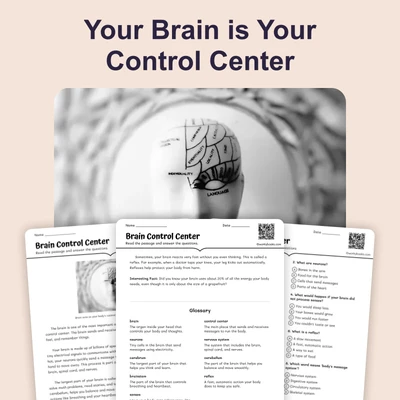
Reading Passage
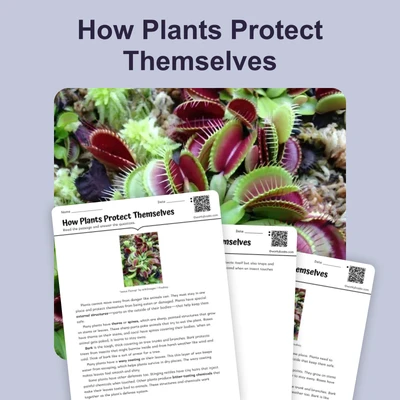
Reading Passage
Reading Passage
40% off until Aug 1
Reading Passage
Reading Passage · NGSS 4-LS1-1
Reading Passage · NGSS 4-LS1-1
Reading Passage
Reading Passage · NGSS 4-LS1-1
Reading Passage · NGSS 4-LS1-1
Reading Passage · NGSS 4-LS1-1
40% off until Aug 1
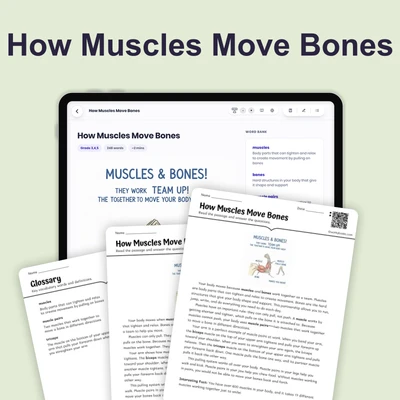
Reading Passage · NGSS 4-LS1-1
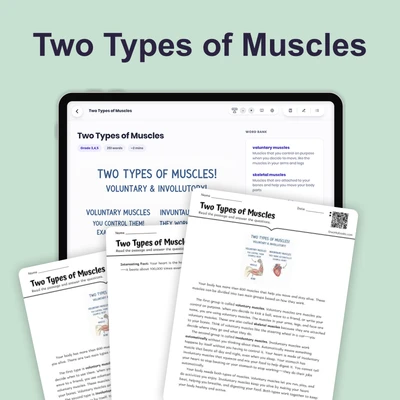
Reading Passage · NGSS 4-LS1-1
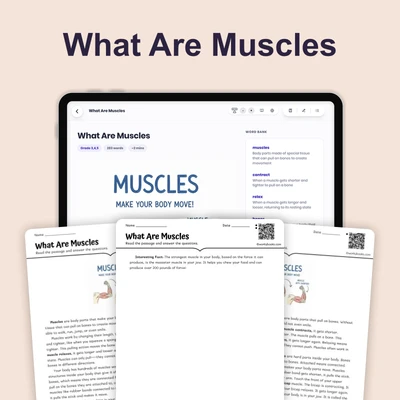
Reading Passage · NGSS 4-LS1-1
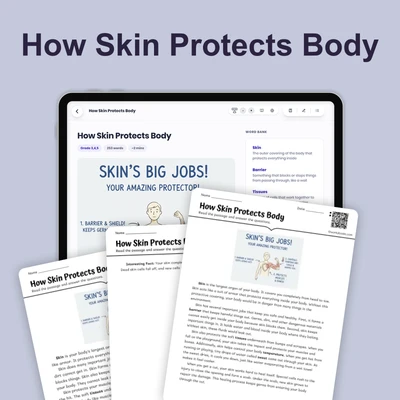
Reading Passage · NGSS 4-LS1-1
Reading Passage · NGSS 4-LS1-1
Reading Passage · NGSS 4-LS1-1
Reading Passage · NGSS 4-LS1-1
40% off until Aug 1
Reading Passage · NGSS 4-LS1-1
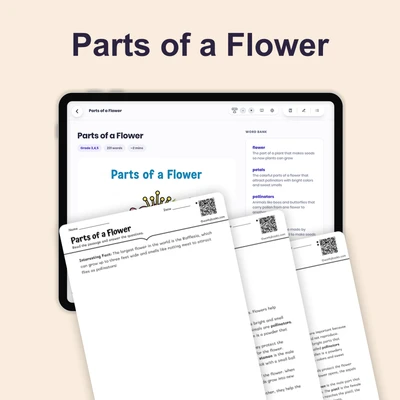
Reading Passage · NGSS 4-LS1-1
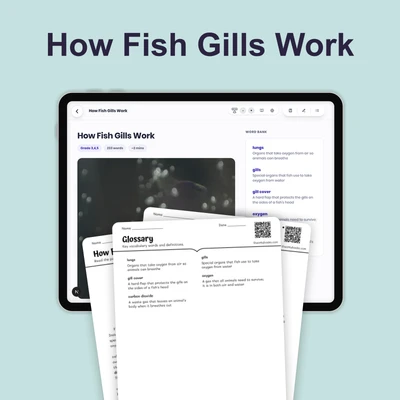
Reading Passage · NGSS 4-LS1-1
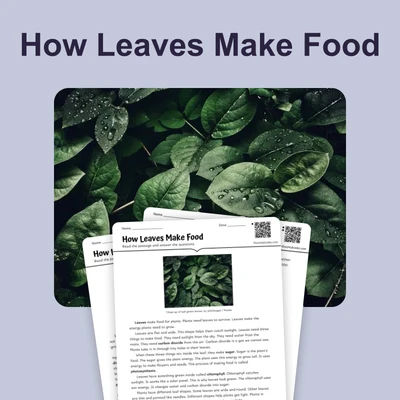
Reading Passage · NGSS 4-LS1-1
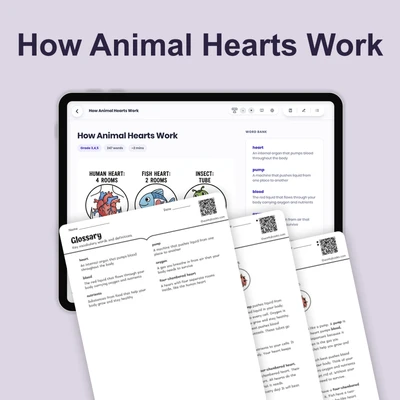
Reading Passage · NGSS 4-LS1-1
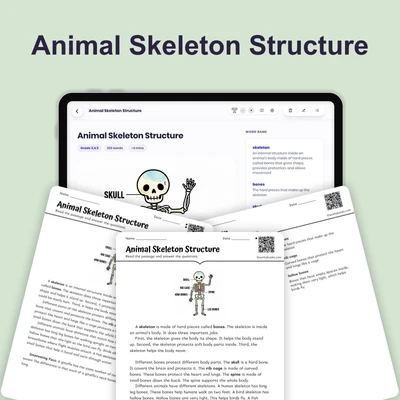
Reading Passage · NGSS 4-LS1-1
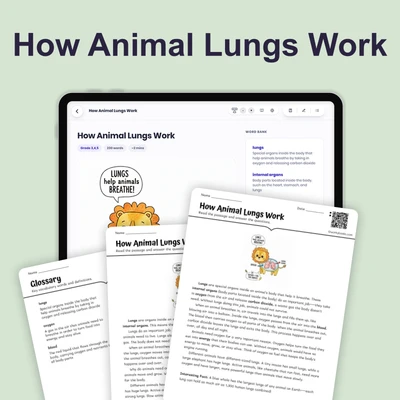
Reading Passage · NGSS 4-LS1-1
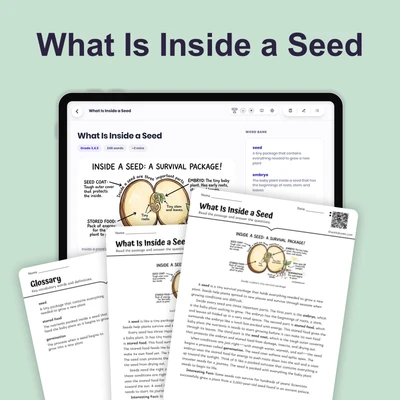
Reading Passage · NGSS 4-LS1-1
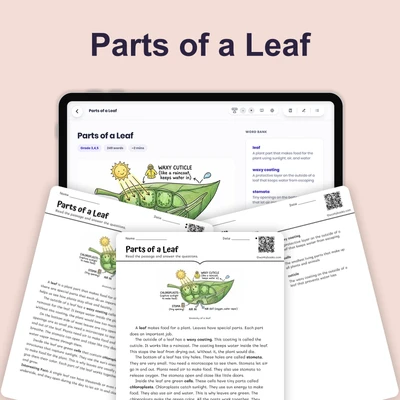
Reading Passage · NGSS 4-LS1-1
Three ways to use Workybooks — pick what fits.
Living Things resources span a clear K-5 progression. In kindergarten and first grade, students begin by distinguishing living from nonliving, identifying basic plant and animal structures, and exploring simple life cycles like butterflies or frogs. By second and third grade, they compare life cycles of different organisms and examine how structures support survival. In fourth and fifth grade, students delve into body systems, photosynthesis, and ecosystem interactions. Related concepts include habitats, adaptation, food chains, and classification.
Our resources cover four key subtopics: Living and Nonliving, Plant and Animal Structures, Life Cycles, and Body Systems. Activities range from cut-and-paste sorts and observation journals to reading passages and interactive digital games. Students practice critical thinking, vocabulary, observation, and writing skills. Many resources are teacher-authored, no-prep, and scaffolded to support diverse learners. Some resources are free; most require a Workybooks membership for full access.
Teachers can use this hub to differentiate across a mixed-ability classroom. Choose simpler living/nonliving sorts for intervention or small groups, and more complex reading passages on body systems for advanced students. Use printable worksheets for independent practice or homework, and digital activities for literacy centers or whole-group instruction. Resources also work well for assessment, review, or as a supplement to existing curriculum. Mix and match across grades to meet each student's level.
These resources align with grade-level Common Core standards for reading informational text and writing, as well as Next Generation Science Standards (NGSS) for life science across K-5. Specific standards vary by resource and grade.
Yes, many of our Living Things resources are available as printable PDFs. You can download and print them for classroom or home use. Some resources also include digital components for interactive learning. Note that while some worksheets are free, most require a paid Workybooks membership to access.
Absolutely. Our Living Things worksheets for kids cover grades K-5, with content that progresses from simple identification of living vs. nonliving in early grades to complex topics like body systems in upper grades. You can select resources by grade or topic to match your child's level.
Yes, we offer a variety of resources on plant and animal structures, including worksheets, reading passages, and graphic organizers. Students explore how different structures help organisms survive, from roots and stems to wings and gills. These are available across multiple grade levels.
Definitely. Our Living Things resources are ideal for homeschooling. They are no-prep, classroom-ready, and cover key life science topics. You can use them for independent practice, review, or as part of a full curriculum. Mix printable and digital activities to keep lessons engaging.