This learning resource is available in interactive and printable formats. The interactive worksheet can be played online and assigned to students. The Printable PDF version can be downloaded and printed for completion by hand.
Snow leopards are master survivors of harsh mountain environments. This passage explores their specialized adaptations like thick insulating fur, snowshoe-like paws, and powerful hind legs for leaping across cliffs. Aligned to NGSS standard LS2.C (Ecosystem Dynamics), the text explains how these physical traits help the endangered 'ghosts of the mountains' thrive in cold, high-altitude habitats. Students will learn about camouflage rosettes, balance-enhancing tails, and unique vocalizations that differ from other big cats. The passage emphasizes the relationship between an organism's traits and its environment, with discussion questions about survival strategies in extreme ecosystems. Perfect for middle school life science units on biodiversity and adaptation.
CONTENT PREVIEW
Expand content preview
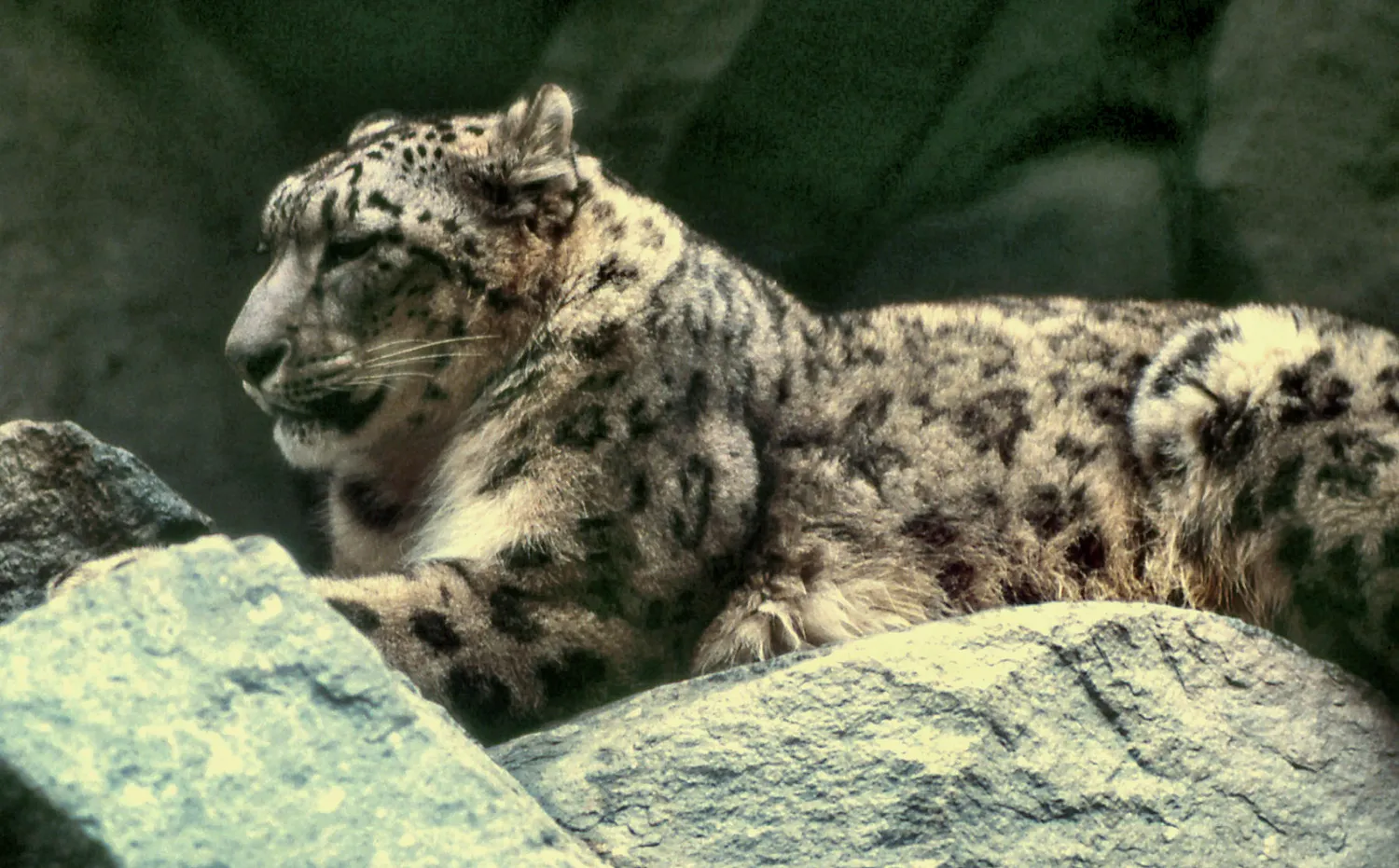
"Snow leopard NPS01241" / Wikimedia Commons.
Snow leopards are masters of survival in one of Earth’s harshest environments—the high mountains of Central and South Asia. To live in freezing temperatures and steep, rocky terrain, they have developed special adaptations.
One key adaptation is their thick fur. Their grayish-white coat with black rosettes helps them blend into the snow and rocks, making them nearly invisible to prey. Even their wide, furry paws act like snowshoes, spreading their weight so they don’t sink into deep snow.
Another survival tool is their powerful body. Snow leopards have strong hind legs, allowing them to leap farther than any other big cat—up to 50 feet (15 meters) in a single jump! Their long, thick tail helps them balance on narrow cliffs and also works like a scarf, wrapping around their body for warmth when they sleep.
Unlike lions or tigers, snow leopards cannot roar. Instead, they make soft sounds like chuffs, hisses, and growls to communicate. This may help them stay hidden from rivals or prey. They also have large nasal cavities to breathe thin mountain air more easily.
These adaptations make the snow leopard a perfect mountain hunter. Without them, they could not survive the extreme cold, high altitudes, or rocky landscapes they call home.
What is the main purpose of a snow leopard’s thick fur?
To help it swim in cold riversTo camouflage in snow and rocksTo attract mates with bright colorsTo scare away other predators
How do snow leopards' wide, furry paws help them survive?
They help them climb trees fasterThey act like snowshoes to walk on deep snowThey make loud noises to scare preyThey store extra food for winter
Which adaptation allows snow leopards to leap long distances?
Sharp clawsStrong hind legsSmall earsShort tails
What does the snow leopard’s tail help it do? (Vocabulary: Function of a body part)
Dig burrows for shelterBalance on cliffs and stay warmCatch fish from riversChange color with the seasons
Why can’t snow leopards roar like lions or tigers?
They have smaller vocal cordsThey communicate with chuffs and hisses insteadTheir lungs are too weakThey live in silent environments
What is the meaning of the word "rosettes" in the passage? (Vocabulary: Context clues)
Spots or markings on furSharp teeth for huntingA type of mountain plantSnow leopard’s ears
What is the main idea of this passage? (Main Idea Question)
Snow leopards are the fastest big catsSnow leopards have special traits to survive harsh mountainsSnow leopards are endangered due to humansSnow leopards live in forests, not mountains
How do snow leopards’ nasal cavities help them survive?
They store extra oxygen for divingThey help breathe thin mountain airThey filter out poisonous gasesThey make loud snoring sounds
Perfect For:
👩🏫 Teachers
• Reading comprehension practice
• Auto-graded assessments
• Literacy skill development
👨👩👧👦 Parents
• Reading practice at home
• Comprehension improvement
• Educational reading time
🏠 Homeschoolers
• Reading curriculum support
• Independent reading practice
• Progress monitoring
Reading Features:
📖
Reading Passage
Engaging fiction or nonfiction text
❓
Comprehension Quiz
Auto-graded questions
📊
Instant Feedback
Immediate results and scoring
📄
Printable Version
Download for offline reading
🔊
Read Aloud
Voice-over with word highlighting
Reviews & Ratings
No reviews yet. Be the first to share your experience!
Related Content
What is Deforestation?
Deforestation is the large-scale removal of forests, primarily caused by human activities like agriculture, logging, and...
RI.5.3RI.6.3RI.7.3
Cold Fronts and Warm Fronts: A Comparison
Cold fronts bring thunderstorms and cooler temperatures, while warm fronts bring light rain and warmer temperatures. Bot...
7.RI.7.3RI.5.3RI.5.5RI.6.9
The Great Pacific Garbage Patch
The Great Pacific Garbage Patch is a massive collection of plastic waste in the North Pacific Ocean. It harms marine lif...
RI.5.3RI.6.3RI.7.3
Surface Water Runoff
Surface water runoff replenishes rivers and lakes but can cause flooding and pollution. Solutions like rain gardens and ...
RI.5.3RI.6.3RI.7.3
The Mississippi River
The Mississippi River is one of the longest rivers in North America, stretching 2,340 miles from Lake Itasca to the Gulf...
RI.5.3RI.6.3RI.7.3
The Mekong River
The Mekong River flows 2,700 miles through six countries in Southeast Asia, ending in the fertile Mekong Delta. It suppo...
RI.5.3RI.6.3RI.7.3
Freshwater and Its Sources
Freshwater is a limited resource, with most stored in glaciers and aquifers. Rivers, lakes, and groundwater are key sour...
RI.5.3RI.6.3RI.7.3
Difference Between a Rock and a Mineral
Rocks are mixtures of minerals, while minerals are naturally occurring, inorganic solids with a specific composition and...
RI.5.3RI.6.3RI.7.3
Runoff from Precipitation
Runoff from precipitation replenishes rivers and lakes but can cause flooding and pollution. Solutions like rain gardens...
RI.5.3RI.6.3RI.7.3
Large Streams of Moving Water
Large streams of moving water, like rivers and creeks, shape landscapes, support ecosystems, and provide freshwater for ...
RI.5.3RI.6.3RI.7.3
Cyclones and Anticyclones: A Comparison
Cyclones are low-pressure systems that bring stormy weather, while anticyclones are high-pressure systems that bring cle...
7.RI.7.1RI.5.3RI.5.5RI.6.9
The Brahmaputra River
The Brahmaputra River originates in the Himalayas and flows 1,800 miles through China, India, and Bangladesh, joining th...
RI.5.3RI.6.3RI.7.3
The Amazon River Dolphin
The Amazon River dolphin, also known as the pink river dolphin or boto, is a unique freshwater species found in the Amaz...
RI.5.3RI.6.3RI.7.3
Rare Earth Minerals in Smartphones and Computers
Rare earth minerals are critical for smartphones, computers, and renewable energy. Mining them has environmental impacts...
RI.5.3RI.6.3RI.7.3
What is Transpiration
Transpiration is the process by which plants release water vapor into the atmosphere. It cools plants, contributes to hu...
RI.5.3RI.6.3RI.7.3
The Amazon River
The Amazon River is the largest river in the world by discharge volume, stretching 4,000 miles from the Andes Mountains ...
RI.5.3RI.6.3RI.7.3
Vertical Farming
Vertical farming is an innovative method of growing crops in vertically stacked layers, often in controlled environments...
RI.5.3RI.6.3RI.7.3
Do All Minerals Have Crystal Structures?
All minerals have a crystalline structure, but not all form visible crystals. The size and shape of crystals depend on f...
RI.5.3RI.6.3RI.7.3
Why Are Pollinators Important?
This passage explores the critical ecological role of pollinators in maintaining ecosystem stability and supporting huma...