Triangle Shirtwaist Factory Fire 1911: Worker Safety
Interactive passage with audio narration, comprehension questions, and printable PDF.
By completing this purchase you agree to our Terms of Use and Privacy Policy. Your subscription renews automatically until you cancel. You can cancel anytime from your account settings. All sales are final and non-refundable. Digital content is available for download in your account immediately upon purchase.
What's included
Triangle Shirtwaist Factory Fire 1911: Worker Safety preview and details
About this printable Triangle Shirtwaist Factory Fire 1911: Worker Safety reading passage (Grades 6-8)
Sample passage and quiz from Triangle Shirtwaist Factory Fire 1911: Worker Safety
Reading passage and comprehension quiz preview
Triangle Shirtwaist Factory Fire 1911
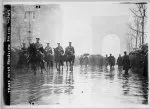
Source: Library of Congress - Bain, George Grantham, 1865-1944.
The Triangle Shirtwaist Factory Fire occurred on March 25, 1911, in New York City. This tragedy resulted in the deaths of 146 workers, most of whom were young immigrant women. The fire quickly spread through the upper floors of the factory building, making escape difficult. Locked exit doors and faulty fire escapes increased the danger for those inside. The event shocked the nation and brought attention to urgent problems in workplace safety.
At the time, factories were often crowded and poorly ventilated. Workers in the garment industry, such as those at Triangle Shirtwaist, labored for long hours under harsh conditions. Many immigrants, seeking opportunity in America, accepted these jobs despite the risks. The lack of regulations meant that employers were not always required to install sprinklers or provide safe exits. When the fire broke out, the workers had little warning and few options to escape.
Attempts to flee were hampered by locked doors, which were meant to prevent theft but became deadly barriers. Firefighters arrived quickly, but their ladders could not reach the upper floors. As the flames grew, some workers jumped from windows, while others were trapped. The loss of life was heartbreaking and became a symbol of the cost of industrial progress without proper protections for workers.
The public reaction to the fire was immediate and intense. Newspapers covered the story in detail, and families demanded answers. Investigations revealed that the factory owners had ignored warnings about fire hazards. Many people called for reform to prevent such disasters from happening again. Labor leaders, including the International Ladies' Garment Workers' Union, organized protests and marches to demand changes in working conditions.
The fire led to significant legislation in New York. New laws required fire drills, unlocked doors during working hours, and better fire escapes. These reforms were among the first steps toward creating safer workplaces across the United States. The Triangle Shirtwaist Fire showed that progress could come at a high cost, but it also demonstrated the power of collective action and advocacy for change.
However, not all employers supported these changes. Some argued that new regulations would be too expensive or slow down production. Despite resistance, the tragedy had shifted public opinion. The city and state eventually passed over 30 new safety laws, setting an example for the rest of the nation. The fire helped to spark the Progressive Era, a time when Americans worked to fix problems caused by rapid industrialization.
The Triangle Shirtwaist Factory Fire remains an important lesson in the need for workplace safety and the role of government in protecting its citizens. It reminds us that the rights and safety of workers should never be overlooked in the pursuit of economic growth.
Interesting Fact: In the years following the fire, labor unions grew stronger and played a critical role in improving conditions for workers throughout the United States.
Comprehension quiz (8 questions)
1. When did the Triangle Fire occur?
2. Where did the fire happen?
3. Who were most of the victims?
4. Why were doors locked?
5. What did the fire lead to?
6. What is the Progressive Era?
7. The fire led to new safety laws.
8. What does 'legislation' mean?
Perfect for the way you teach
- Build comprehension skills
- Auto-graded quiz
- Differentiated reading
- Read together at home
- Improve fluency
- Quiet reading time
- Reading curriculum support
- Independent practice
- Track Lexile growth