This learning resource is available in interactive and printable formats. The interactive worksheet can be played online and assigned to students. The Printable PDF version can be downloaded and printed for completion by hand.
This engaging science passage introduces Grade 4-5 students to the concept of collisions and energy transfer, aligned with NGSS standard 4-PS3-3. Students learn how collisions occur when two or more objects bump into each other, causing energy to transfer between them. The passage explains how collisions create changes in motion and energy as objects push against each other during contact. Using the familiar example of playing pool, where a cue ball hits other balls and transfers energy to make them move, students can visualize this abstract concept. The passage includes audio integration for enhanced learning accessibility. Key vocabulary terms like collision, energy transfer, contact, and motion are introduced naturally within the text. Students explore cause-and-effect relationships and understand how energy moves from one object to another during collisions. Accompanying activities include multiple-choice questions testing recall and comprehension, writing prompts requiring students to explain collision concepts, and graphic organizers that help students analyze cause-and-effect relationships and sequence the collision process. This comprehensive resource provides differentiated instruction with simplified versions and Spanish translations to support all learners.
CONTENT PREVIEW
Expand content preview
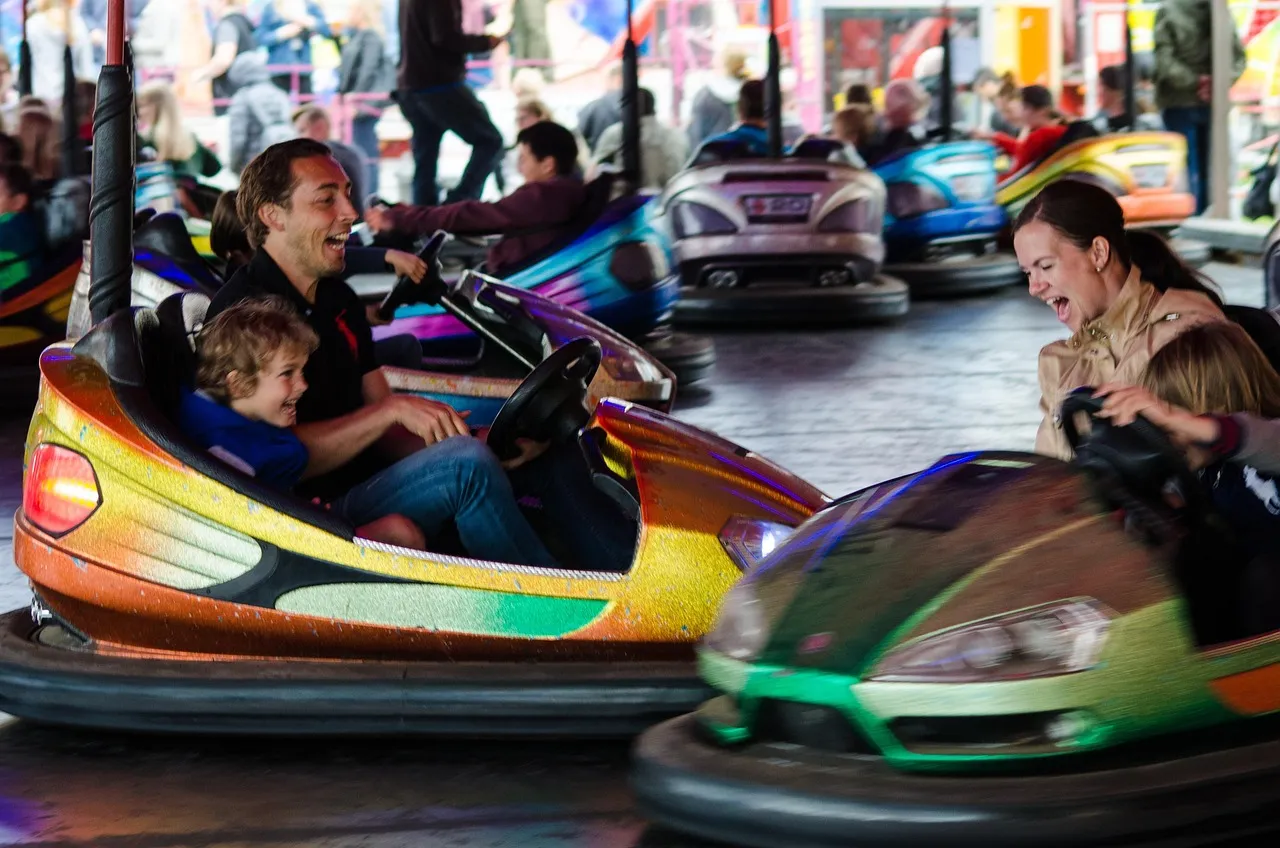
"Collisions involve objects bumping together and transferring energy" image credit stanvpetersen / Pixabay.
A collision is when two or more objects bump into each other. Collisions happen all around us every day. Understanding collisions helps us explain why objects start moving, stop moving, or change direction when they touch.
When objects collide, energy moves from one object to another. Energy is the ability to make things move or change. During a collision, the objects push against each other at the point of contact, which is where they touch. This pushing causes energy to transfer between the objects. The object that was moving usually gives some of its energy to the object it hits.
Think about playing pool. When you hit the white cue ball with a stick, you give it energy. The cue ball rolls across the table until it collides with another ball. At the moment of contact, the cue ball transfers some of its energy to the other ball. The other ball starts moving because it received energy from the cue ball. Meanwhile, the cue ball might slow down, stop, or change direction because it gave away some of its energy.
Collisions cause changes in motion, which is how fast and in what direction objects move. Before a collision, one object might be moving while another is still. After the collision, both objects might be moving, or the moving object might stop while the still object starts moving. The amount of energy transferred depends on how fast the objects were moving and how heavy they are.
You can see collisions everywhere. When you kick a soccer ball, your foot collides with the ball and transfers energy to it. When dominoes fall and hit each other, energy transfers from one domino to the next. Even when you clap your hands together, your hands collide and energy transfers between them, creating sound.
Collisions are an important part of how energy moves through our world. By understanding that collisions involve objects bumping together and transferring energy, we can predict and explain many things we see happening around us every day.
What is a collision?
When objects bump into each otherWhen objects stay completely stillWhen objects float in the airWhen objects break into pieces
What happens during a collision?
Objects disappear completelyEnergy transfers between objectsObjects become lighterEnergy is destroyed forever
What is the cue ball in pool?
The red ball on the tableThe stick used to hit ballsThe white ball you hit firstThe table where you play
Why does a ball move after collision?
It becomes heavier during contactIt received energy from another objectThe table pushes it forwardWind blows it across the surface
What can happen to a moving object?
It can slow down after collisionIt always speeds up after collisionIt never changes directionIt gains more energy than before
How does kicking a soccer ball show collision?
The ball gives energy to your footYour foot collides and transfers energyThe ball moves by itselfNo energy transfer happens
Collisions happen all around us every day.
TrueFalse
What does motion mean?
How heavy an object isHow fast and which way objects moveThe color of an objectThe size of an object
Perfect For:
👩🏫 Teachers
• Reading comprehension practice
• Auto-graded assessments
• Literacy skill development
👨👩👧👦 Parents
• Reading practice at home
• Comprehension improvement
• Educational reading time
🏠 Homeschoolers
• Reading curriculum support
• Independent reading practice
• Progress monitoring
Reading Features:
📖
Reading Passage
Engaging fiction or nonfiction text
❓
Comprehension Quiz
Auto-graded questions
📊
Instant Feedback
Immediate results and scoring
📄
Printable Version
Download for offline reading
🔊
Read Aloud
Voice-over with word highlighting
Reviews & Ratings
No reviews yet. Be the first to share your experience!
Related Content
Motion After Collisions
This engaging 250-word science passage helps Grade 4-5 students understand Motion After Collisions, aligned with NGSS st...
NGSS 4-PS3-3
Sound from Collisions
This engaging 250-word science passage helps Grade 4-5 students understand how collisions produce sound through energy t...
NGSS 4-PS3-3
Heat from Collisions
This engaging 350-word science passage helps Grade 4-5 students understand how collisions produce heat through energy tr...
NGSS 4-PS3-3
Predicting Collisions
This engaging 250-word science passage helps Grade 4-5 students understand how scientists predict collision outcomes by ...
NGSS 4-PS3-3
Modeling Collisions
This engaging 250-word science passage teaches Grade 4-5 students about modeling collisions and how scientists use model...