This learning resource is available in interactive and printable formats. The interactive worksheet can be played online and assigned to students. The Printable PDF version can be downloaded and printed for completion by hand.
This engaging reading passage introduces elementary students to the concept of energy transfer, aligned with NGSS standard 4-PS3-2. Students explore how energy moves from one object or place to another through three main methods: contact between objects, waves traveling through space, and electric currents flowing through circuits. The passage uses concrete, relatable examples like feeling warmth from a campfire, hearing sound from a drum, and using a flashlight to help students understand abstract energy concepts. Audio-integrated features support diverse learners. The content includes differentiated versions for varied reading levels, Spanish translations, interactive quizzes, writing activities, and graphic organizers. Students learn key vocabulary including energy transfer, contact, waves, electric current, and heat energy through clear definitions and real-world applications. This comprehensive resource helps fourth and fifth graders build foundational understanding of how energy moves and changes in the world around them.
CONTENT PREVIEW
Expand content preview
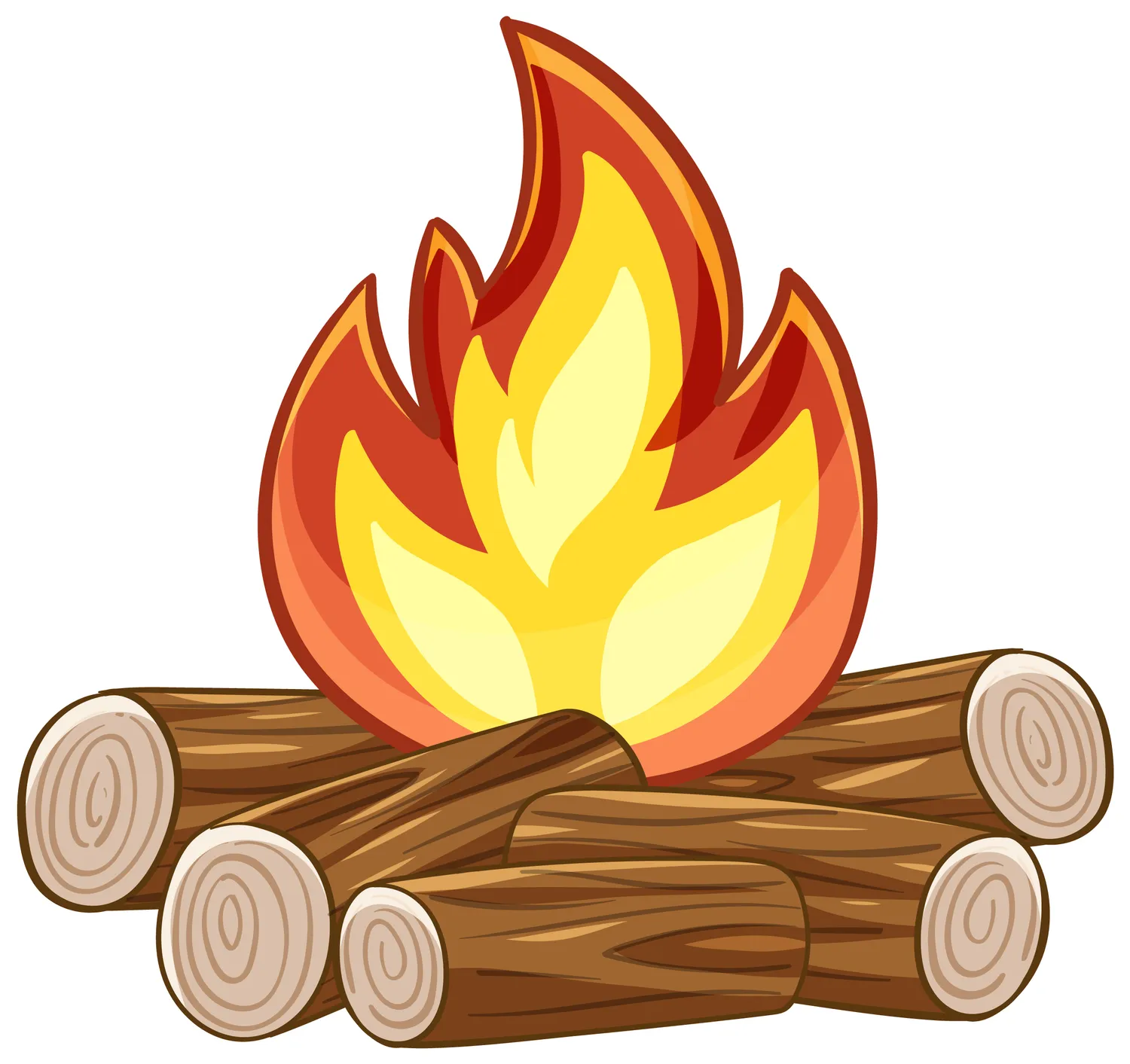
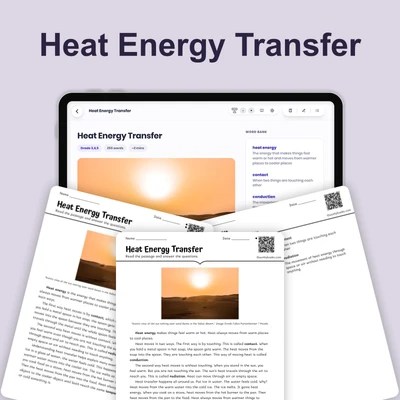
The burning wood releases heat energy that travels through the air in waves. Image Credit Freepik.
Energy transfer is when energy moves from one object or place to another. This movement of energy is important because it makes things happen all around us. When energy transfers, it can change how objects look, feel, or behave.
Energy can transfer in three main ways. The first way is through contact, which means objects touch each other. When you rub your hands together quickly, they feel warm because energy transfers from the movement to heat. The second way is through waves, which are patterns that carry energy through space. Light waves from the sun travel through space to warm Earth. Sound waves move through air when you clap your hands. The third way is through electric currents, which are flows of electricity through wires and circuits.
A campfire shows energy transfer in action. The burning wood releases heat energy that travels through the air in waves. When you sit near the fire, you feel warmth on your skin even though you are not touching the flames. The heat energy transferred from the fire to you through the air. This is similar to how the sun warms your face on a sunny day.
Energy transfer happens when you use everyday objects too. When you turn on a flashlight, chemical energy in the batteries transfers through electric current to the bulb. The bulb then changes that energy into light energy that helps you see in the dark. When you bang a drum, your hand transfers energy through contact to the drum's surface. The drum then sends out sound waves that travel through the air to your ears.
Understanding energy transfer helps explain many things we experience. It shows why metal spoons get hot in soup, why we can hear music from speakers, and why solar panels can power calculators. Energy is always moving and changing from one form to another, making our world work in amazing ways.
Energy transfer is a basic idea in science that explains how energy moves between objects and places. By learning about contact, waves, and electric currents, we can understand the invisible forces that power our daily lives. The next time you feel warmth from a fire or hear a sound, you will know that energy is transferring to you.
What is energy transfer?
When energy stays in one placeWhen energy moves from place to placeWhen energy disappears completelyWhen energy only moves through water
How many main ways can energy transfer?
Two waysThree waysFour waysFive ways
What happens when you rub your hands together?
They get cold from airThey stay the same temperatureThey get warm from energy transferThey create electric current
Why do you feel warm near a campfire?
Heat energy transfers through air wavesThe fire touches your skin directlyElectric current flows to youSound waves make you warm
How does energy move in a flashlight?
Through sound waves onlyThrough contact with your handThrough electric current to the bulbThrough heat waves in air
What happens when you bang a drum?
Energy transfers and creates sound wavesThe drum creates electric currentHeat energy moves to your handLight waves travel to your eyes
Energy transfer only happens with fire and heat.
TrueFalse
What are waves in energy transfer?
Objects that touch each otherPatterns that carry energy through spaceElectricity flowing through wiresEnergy that never moves
Perfect For:
👩🏫 Teachers
• Reading comprehension practice
• Auto-graded assessments
• Literacy skill development
👨👩👧👦 Parents
• Reading practice at home
• Comprehension improvement
• Educational reading time
🏠 Homeschoolers
• Reading curriculum support
• Independent reading practice
• Progress monitoring
Reading Features:
📖
Reading Passage
Engaging fiction or nonfiction text
❓
Comprehension Quiz
Auto-graded questions
📊
Instant Feedback
Immediate results and scoring
📄
Printable Version
Download for offline reading
🔊
Read Aloud
Voice-over with word highlighting
Reviews & Ratings
No reviews yet. Be the first to share your experience!
Related Content
Parts of a Circuit
This engaging 250-word passage introduces Grade 4-5 students to the essential components of electric circuits aligned wi...
NGSS 4-PS3-2
What Is Electric Current?
This 250-word informational science passage introduces elementary students to the concept of electric current and how it...
NGSS 4-PS3-2
How Circuits Work
This 250-word informational reading passage introduces Grade 4-5 students to the fundamental concepts of electric circui...
NGSS 4-PS3-2
Open and Closed Circuits
This engaging 250-word reading passage teaches Grade 4-5 students about open and closed circuits, aligned with NGSS 4-PS...