The History of Cell Theory
Interactive worksheet with auto-grading, instant feedback, and printable PDF.
By completing this purchase you agree to our Terms of Use and Privacy Policy. Your subscription renews automatically until you cancel. You can cancel anytime from your account settings. All sales are final and non-refundable. Digital content is available for download in your account immediately upon purchase.
What's included
The History of Cell Theory preview and details
About this worksheet
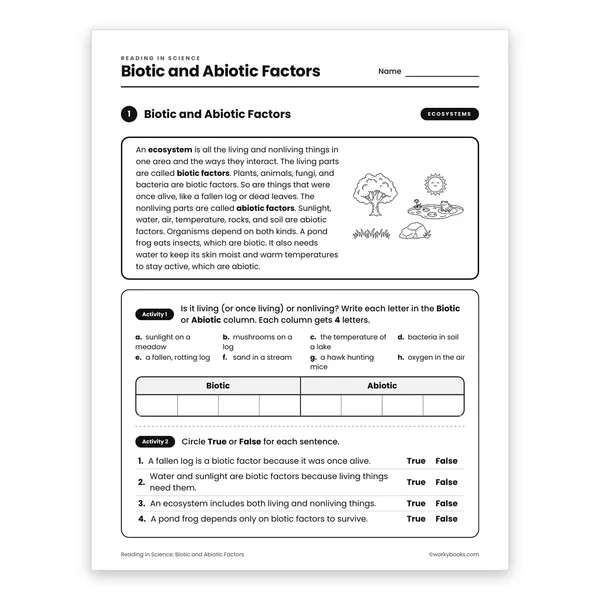
The History of Cell Theory Worksheet (Grade 6 Science, TEKS 6.13A)
How did scientists discover that living things are made of cells? This one-page sheet tells the story on a five-card timeline: Robert Hooke names cells in cork (1665), Antonie van Leeuwenhoek sees living one-celled organisms (1674), Matthias Schleiden and Theodor Schwann conclude that plants and animals are made of cells (1838 and 1839), and Rudolf Virchow states that all cells come from pre-existing cells (1855).
What's Inside
- A Big Question box and a five-card illustrated timeline
- A short note on what a scientific theory is
- Activity 1: Students write the letter of the scientist who made each discovery
- Activity 2: Four fill-in-the-blank sentences with a word bank
- A visual answer key with answers marked in red
How Teachers Use It
Use it as practice or a quick check for TEKS 6.13A. The sheet takes about 10 minutes, needs no prior knowledge, and prints clearly in black and white.
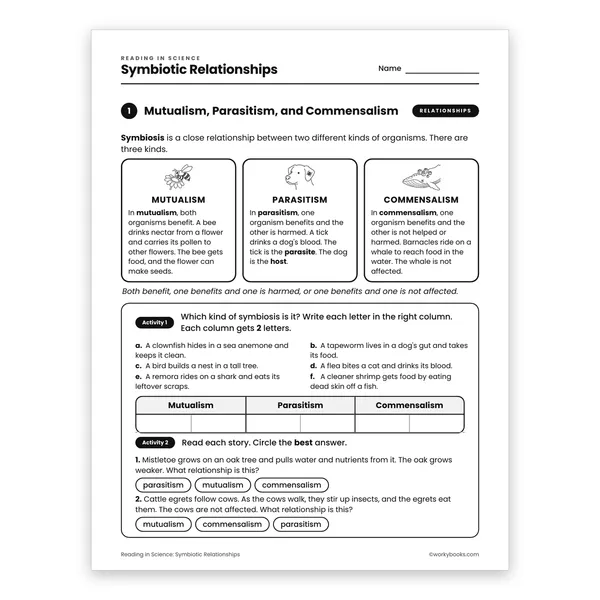
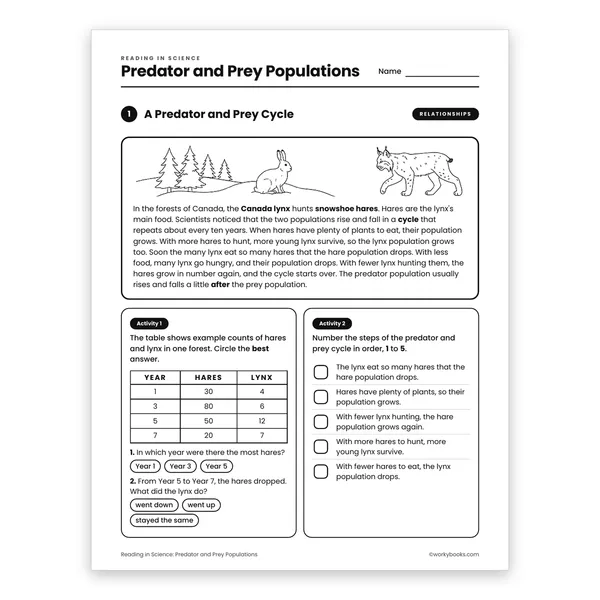
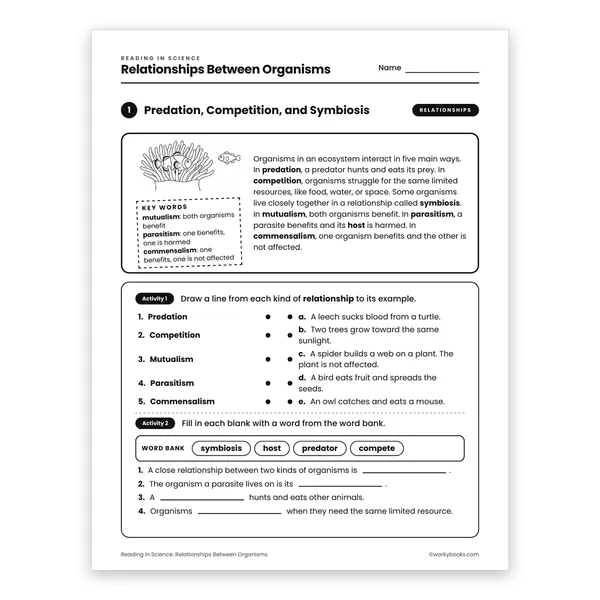
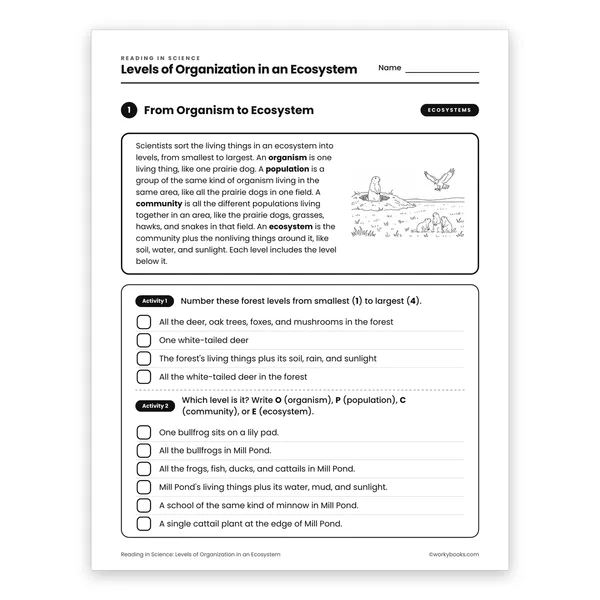
This worksheet is part of the Reading in Science series for grade 6. It supports TEKS 6.13A: describe the historical development of cell theory and explain how organisms are composed of one or more cells, which come from pre-existing cells and are the basic unit of structure and function. It is one of eleven connected TEKS 6.13 sheets: cell theory (6.13A), the basic characteristics of organisms (6.13B), and variation and survival (6.13C), plus a vocabulary review.
Why It Works
Each sheet opens with a Big Question, teaches the key terms in plain words with simple black-and-white doodles, and then asks students to use only what the page taught. Activities stay at the circle, sort, match, and fill-in level, so students can finish in about 10 minutes, and the visual answer key lets teachers check work fast.
Perfect for the way you teach
- Assign in one click
- Track progress per student
- Auto-graded results
- Practice at home
- Print or do on-screen
- Build skill mastery
- Standards-aligned
- Self-paced
- Ready-to-use today