Worksheet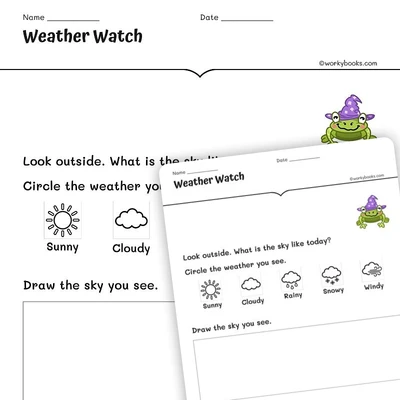
Grades K–2
Weather Watch
weather and climate · NGSS K-ESS2-1 | CCSS.ELA-LITERACY.SL.1.5
$1.50

Showing 86 of 86 standards
Demonstrate command of the conventions of standard English grammar and usage when writing or speaking.
Use singular and plural nouns with matching verbs in basic sentences (e.g., He hops; We hop).
Use personal, possessive, and indefinite pronouns (e.g., I, me, my; they, them, their, anyone, everything).
Use verbs to convey a sense of past, present, and future (e.g., Yesterday I walked home; Today I walk home; Tomorrow I will walk home).
Use frequently occurring conjunctions (e.g., and, but, or, so, because).
Use frequently occurring prepositions (e.g., during, beyond, toward).
Produce and expand complete simple and compound declarative, interrogative, imperative, and exclamatory sentences in response to prompts.
Demonstrate command of the conventions of standard English capitalization, punctuation, and spelling when writing.
Use commas in dates and to separate single words in a series.
Use conventional spelling for words with common spelling patterns and for frequently occurring irregular words.
Spell untaught words phonetically, drawing on phonemic awareness and spelling conventions.
Determine or clarify the meaning of unknown and multiple-meaning words and phrases based on grade 1 reading and content, choosing flexibly from an array of strategies.
Use sentence-level context as a clue to the meaning of a word or phrase.
Use frequently occurring affixes as a clue to the meaning of a word.
Identify frequently occurring root words (e.g., look) and their inflectional forms (e.g., looks, looked, looking).
With guidance and support from adults, demonstrate understanding of word relationships and nuances in word meanings.
Sort words into categories (e.g., colors, clothing) to gain a sense of the concepts the categories represent.
Define words by category and by one or more key attributes (e.g., a duck is a bird that swims; a tiger is a large cat with stripes).
Identify real-life connections between words and their use (e.g., note places at home that are cozy).
Distinguish shades of meaning among verbs differing in manner (e.g., look, peek, glance, stare, glare, scowl) and adjectives differing in intensity (e.g., large, gigantic) by defining or choosing them or by acting out the meanings.
Use words and phrases acquired through conversations, reading and being read to, and responding to texts, including using frequently occurring conjunctions to signal simple relationships (e.g., because).
Practice aligned to Language standards
weather and climate · NGSS K-ESS2-1 | CCSS.ELA-LITERACY.SL.1.5
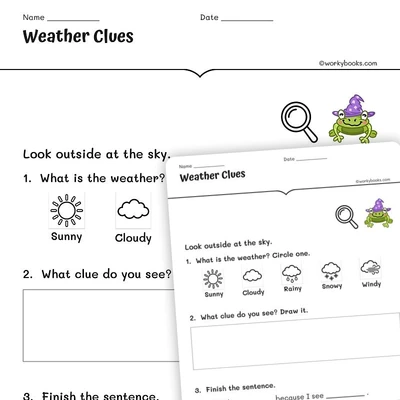
weather and climate · NGSS K-ESS2-1 | CCSS.ELA-LITERACY.SL.1.5+1
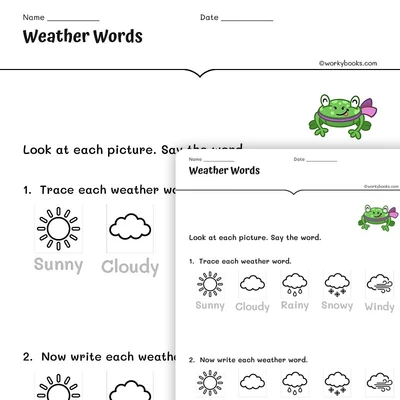
weather and climate · NGSS K-ESS2-1 AND CCSS L.K.5+4
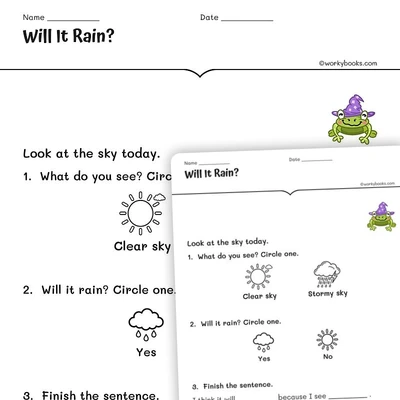
weather and climate · NGSS K-ESS2-1+6
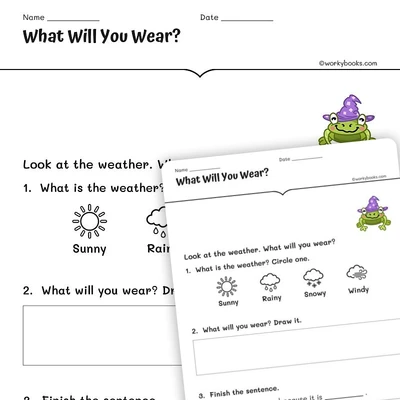
weather and climate · NGSS K-ESS2-1+6
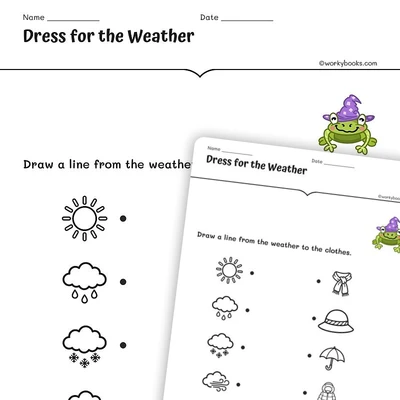
weather and climate · NGSS K-ESS2-1+3
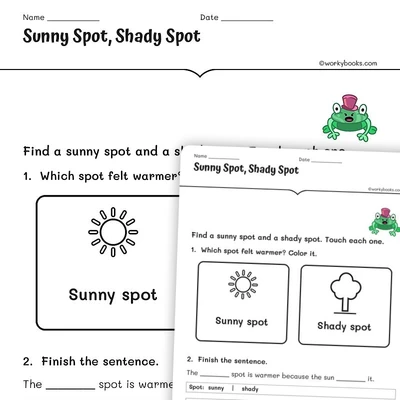
weather and climate · NGSS K-PS3-1 AND CCSS.ELA-LITERACY.SL.K.5+5
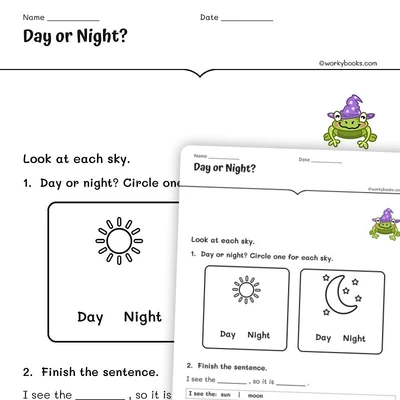
weather and climate · NGSS 1-ESS1-1 AND CCSS.ELA-LITERACY.SL.K.5+5
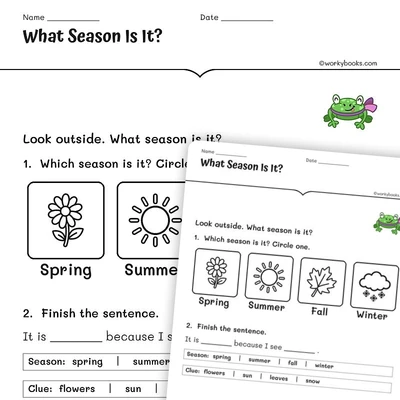
weather and climate · NGSS 1-ESS1-2 AND CCSS.ELA-LITERACY.SL.K.5+5
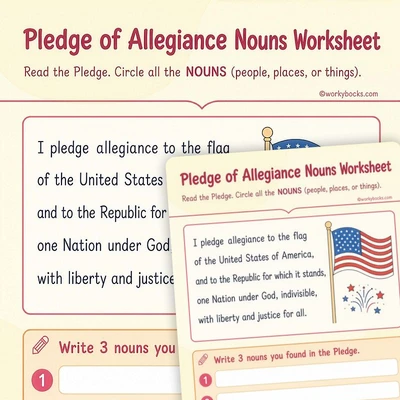
us history · L.1.1B
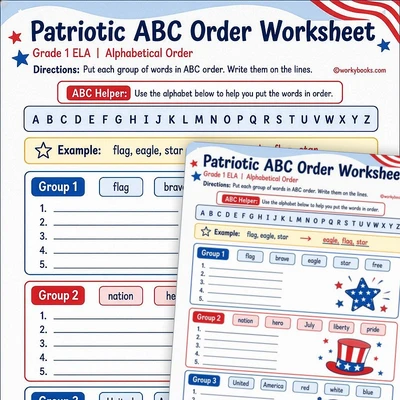
us history · L.1.1A

Reading Literature · CCSS.ELA-LITERACY.RL.1.3+3
Demonstrate understanding of the organization and basic features of print.
Recognize the distinguishing features of a sentence (e.g., first word, capitalization, ending punctuation).
Demonstrate understanding of spoken words, syllables, and sounds (phonemes).
Distinguish long from short vowel sounds in spoken single-syllable words.
Orally produce single-syllable words by blending sounds (phonemes), including consonant blends.
Isolate and pronounce initial, medial vowel, and final sounds (phonemes) in spoken single-syllable words.
Segment spoken single-syllable words into their complete sequence of individual sounds (phonemes).
Know and apply grade-level phonics and word analysis skills in decoding words.
Know the spelling-sound correspondences for common consonant digraphs.
Know final -e and common vowel team conventions for representing long vowel sounds.
Use knowledge that every syllable must have a vowel sound to determine the number of syllables in a printed word.
Decode two-syllable words following basic patterns by breaking the words into syllables.
Recognize and read grade-appropriate irregularly spelled words.
Read with sufficient accuracy and fluency to support comprehension.
Read grade-level text orally with accuracy, appropriate rate, and expression on successive readings.
Use context to confirm or self-correct word recognition and understanding, rereading as necessary.
Practice aligned to Reading: Foundational Skills standards
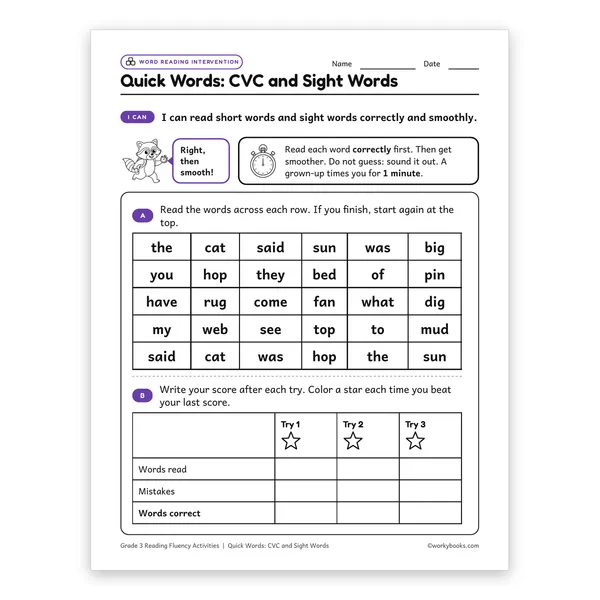
reading foundation · CCSS.RF.1.3.G+2
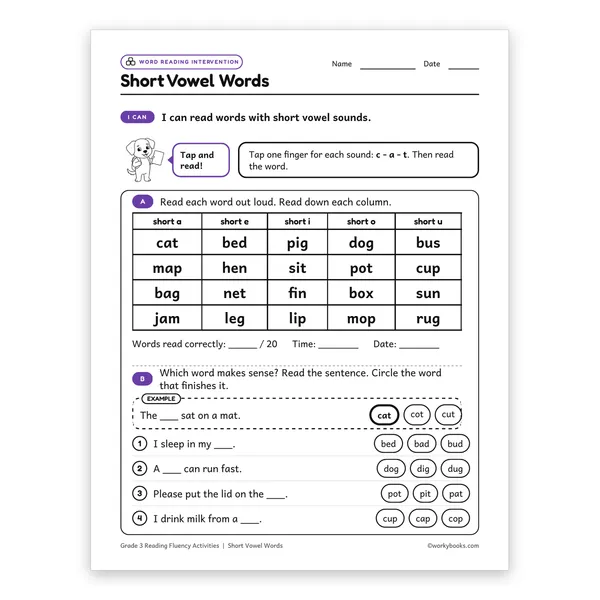
reading foundation · CCSS.RF.1.3.B+1
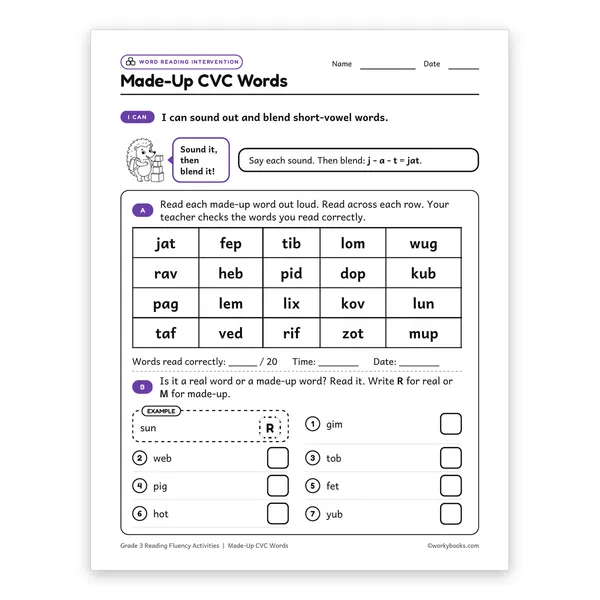
reading foundation · CCSS.RF.1.3.B+1
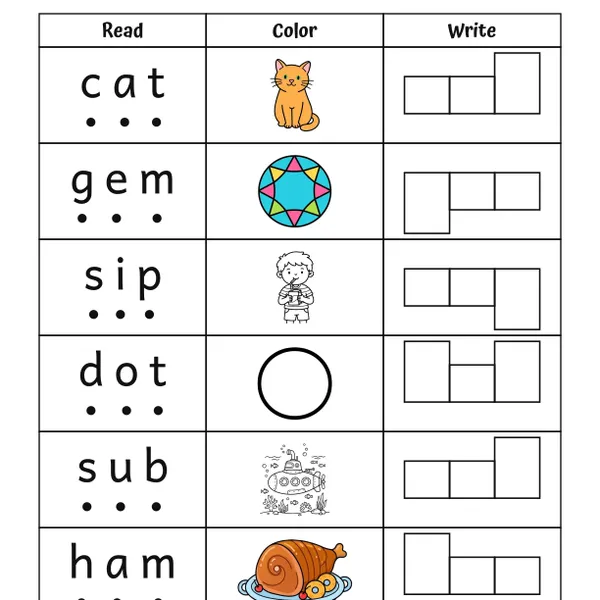
reading foundation · RF.K.3.B+1
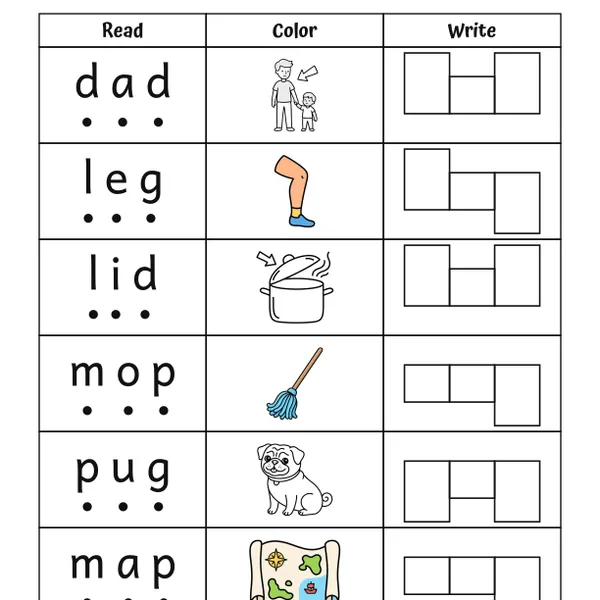
reading foundation · RF.K.3.B+1
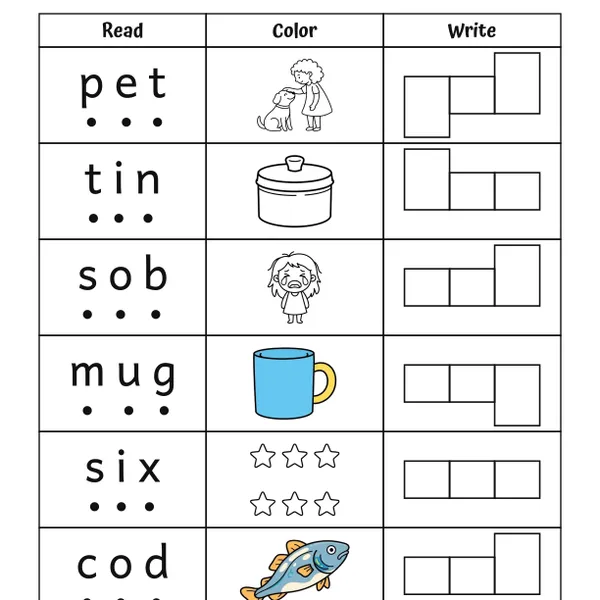
reading foundation · RF.K.3.B+1
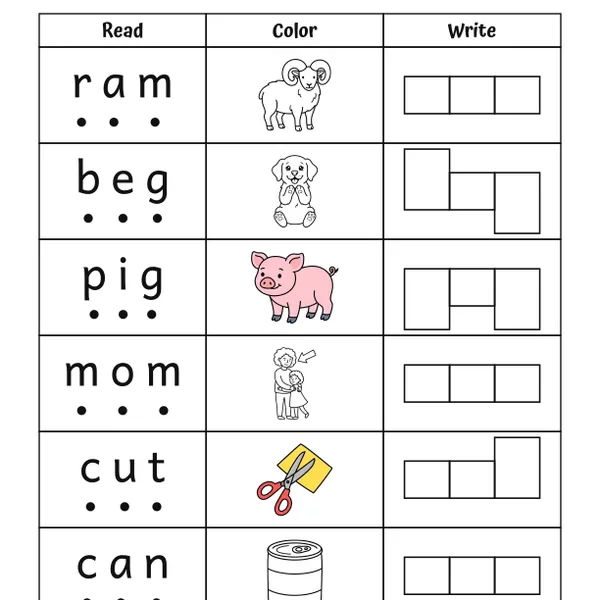
reading foundation · RF.K.3.B+1
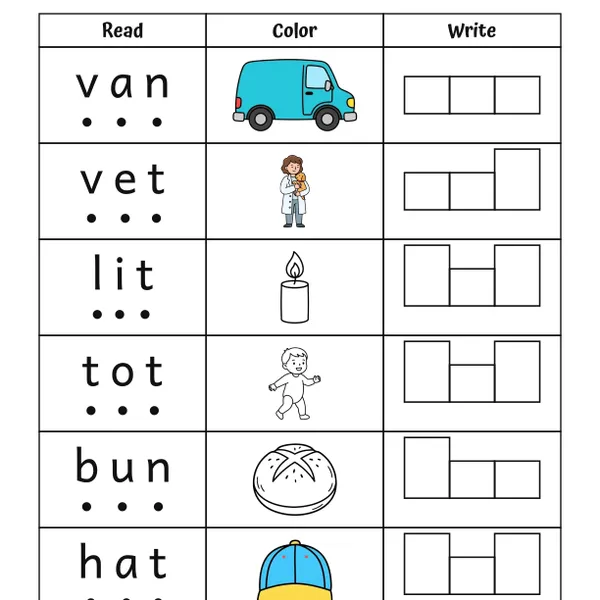
reading foundation · RF.K.3.B+1
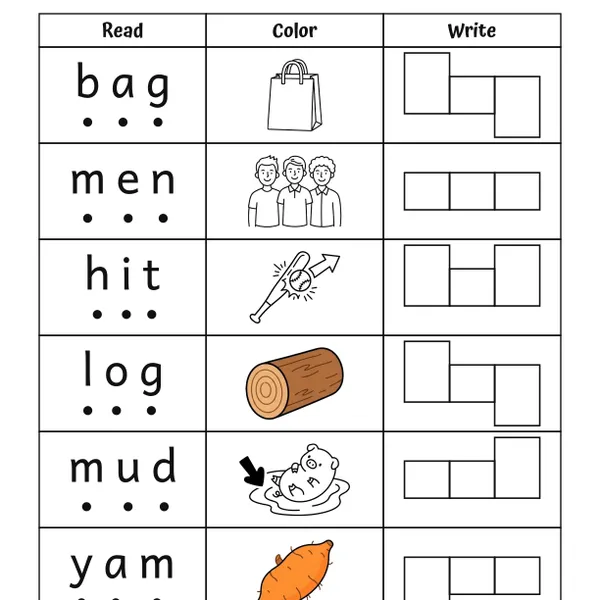
reading foundation · RF.K.3.B+1
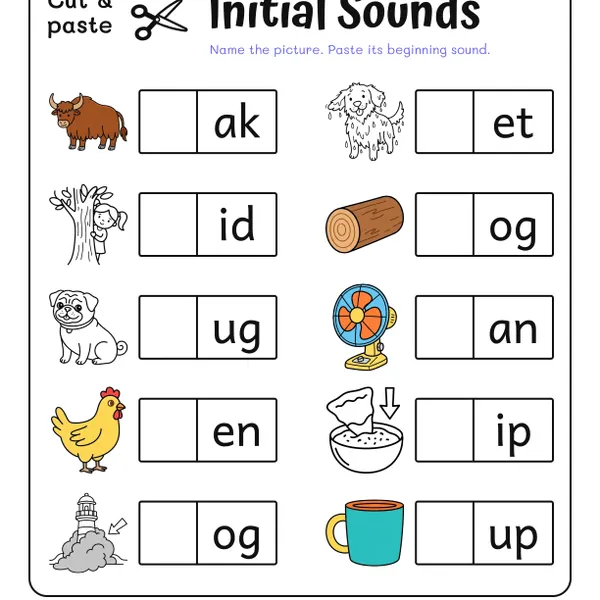
reading foundation · RF.K.3.B+1
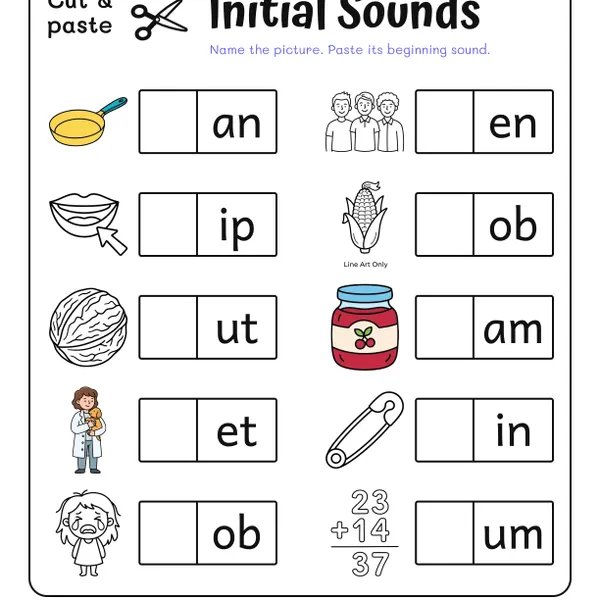
reading foundation · RF.K.3.B+1
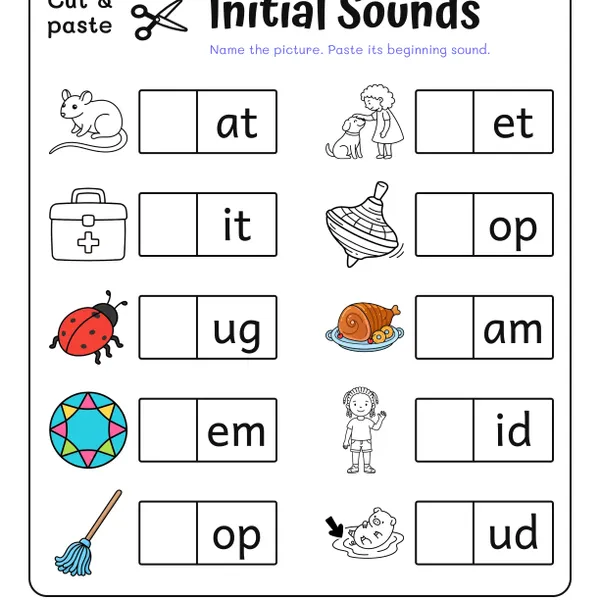
reading foundation · RF.K.3.B+1
Describe the connection between two individuals, events, ideas, or pieces of information in a text.
Ask and answer questions to help determine or clarify the meaning of words and phrases in a text.
Know and use various text features (e.g., headings, tables of contents, glossaries, electronic menus, icons) to locate key facts or information in a text.
Distinguish between information provided by pictures or other illustrations and information provided by the words in a text.
Use the illustrations and details in a text to describe its key ideas.
Identify the reasons an author gives to support points in a text.
Identify basic similarities in and differences between two texts on the same topic (e.g., in illustrations, descriptions, or procedures).
With prompting and support, read informational texts appropriately complex for grade 1.
Practice aligned to Reading: Informational Text standards

Snakes · 1-LS1-1+3
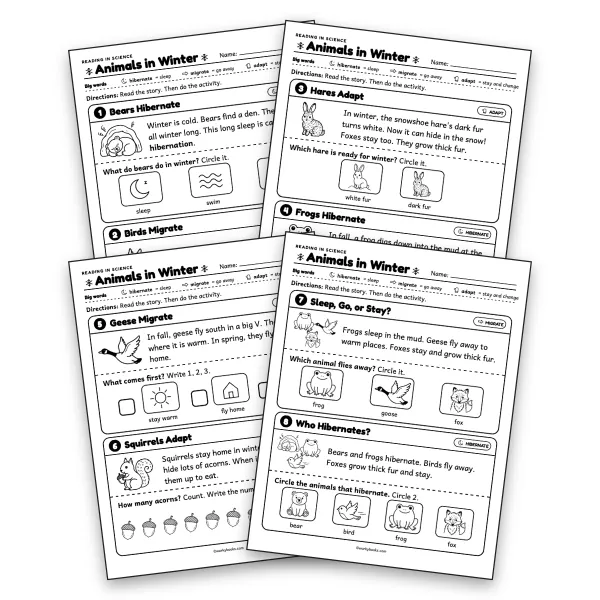
life science · NGSS 1-LS1-1+4
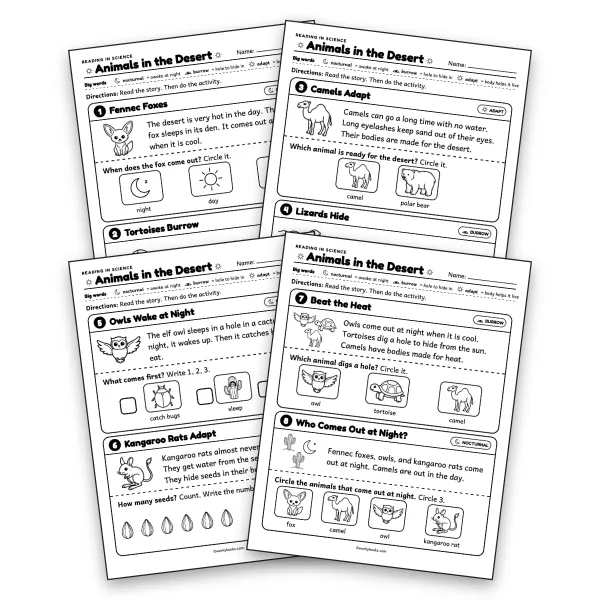
life science · NGSS 1-LS1-1+4
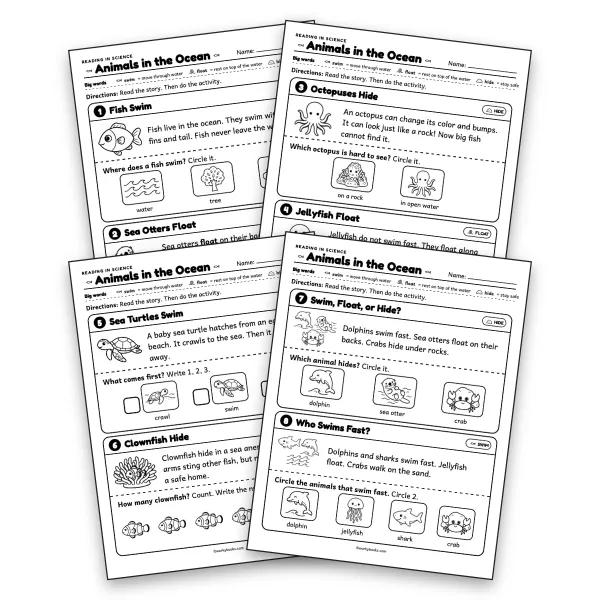
life science · NGSS 1-LS1-1+4
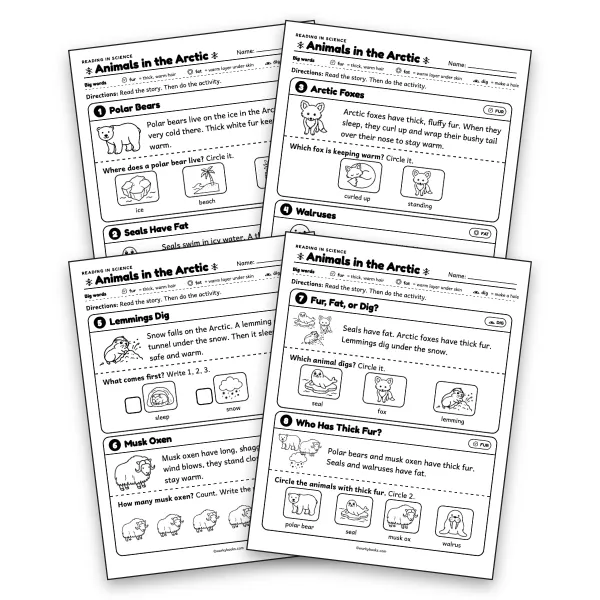
life science · NGSS 1-LS1-1+4
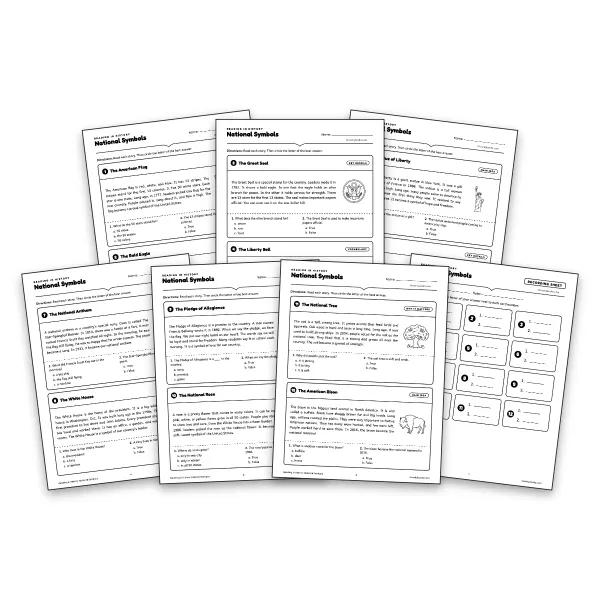
us history · CCSS.RI.1.1+10
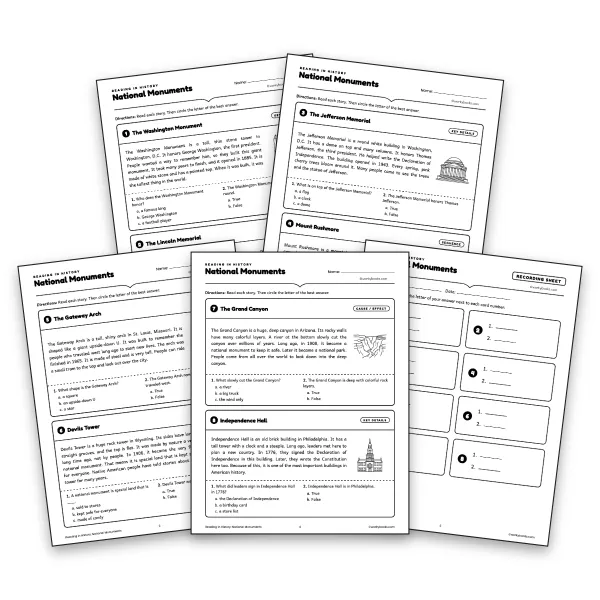
us history · CCSS.RI.1.1+13
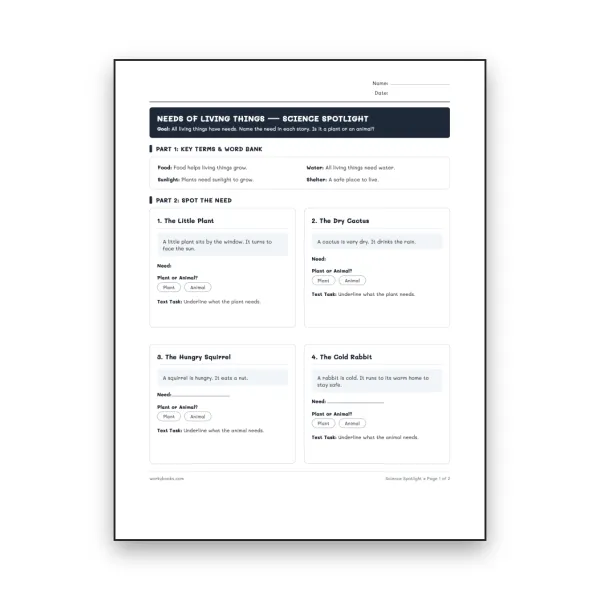
life science · NGSS K-LS1-1+1
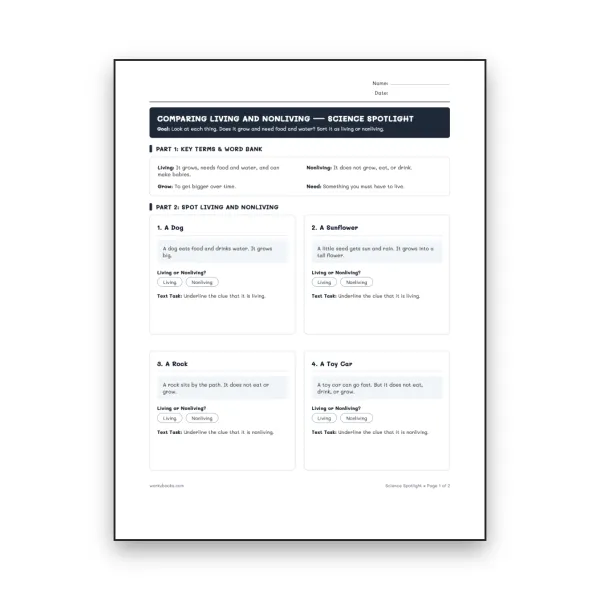
life science · NGSS K-LS1-1+1
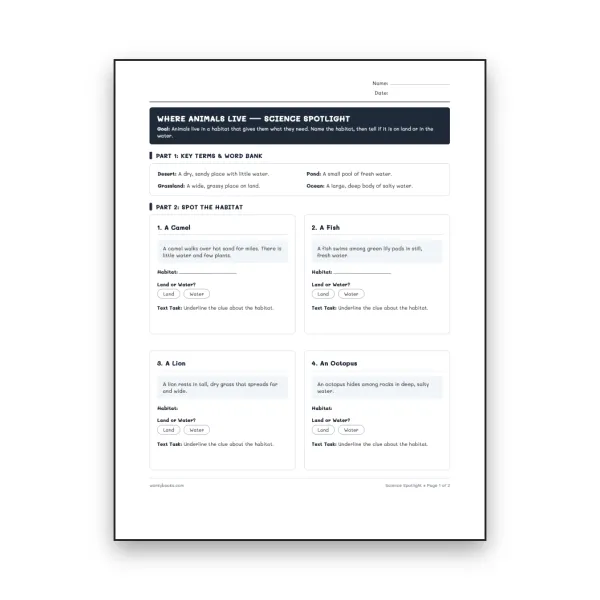
life science · NGSS K-ESS3-1+1
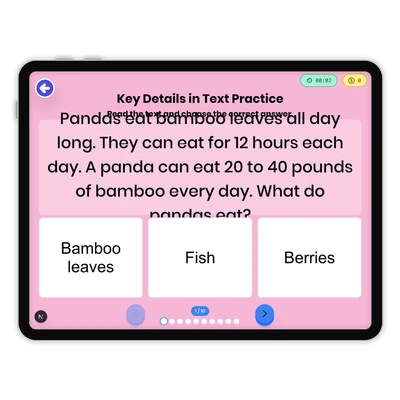
reading informational text · RI.1.1+2
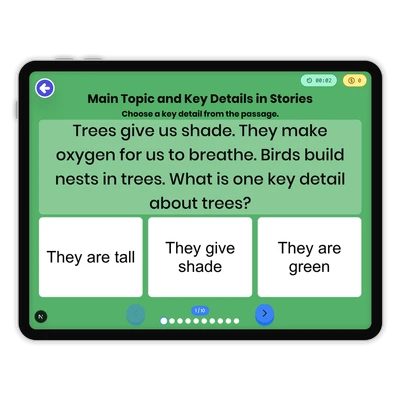
reading informational text · RI.1.2+2
Retell stories, including key details, and demonstrate understanding of their central message or lesson.
Describe characters, settings, and major events in a story, using key details.
Identify words and phrases in stories or poems that suggest feelings or appeal to the senses.
Explain major differences between books that tell stories and books that give information, drawing on a wide reading of a range of text types.
Identify who is telling the story at various points in a text.
Use illustrations and details in a story to describe its characters, setting, or events.
Compare and contrast the adventures and experiences of characters in stories.
With prompting and support, read prose and poetry of appropriate complexity for grade 1.
Practice aligned to Reading: Literature standards
Reading Literature · CCSS.ELA-LITERACY.RL.1.3+3
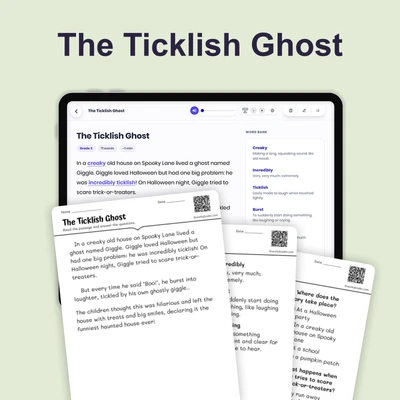
reading literature · RL.1.1+1
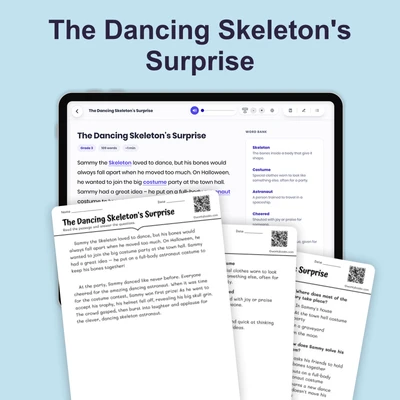
reading literature · RL.1.1+1
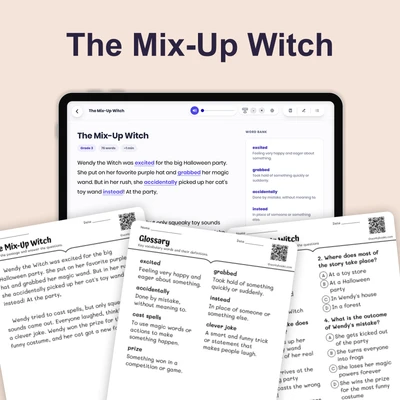
reading literature · RL.1.1+1
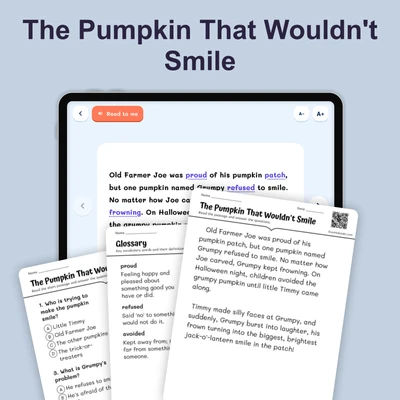
reading literature · RL.1.1+1
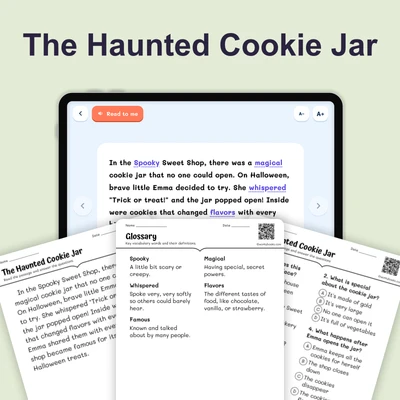
reading literature · RL.1.1+1
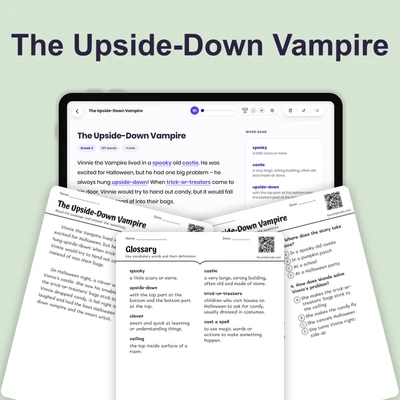
reading literature · RL.1.1+1
reading literature · RL.1.1+1
reading literature · RL.1.1+1
reading literature · RL.1.1+1
reading literature · RL.1.1+1
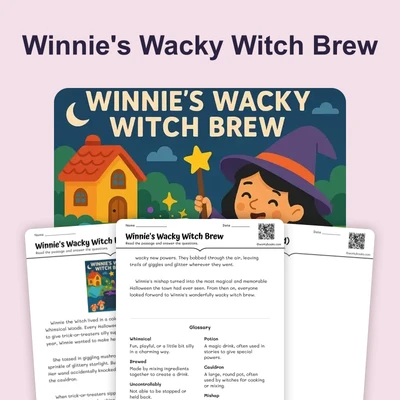
reading literature · RL.1.1+1
Participate in collaborative conversations with diverse partners about grade 1 topics and texts with peers and adults in small and larger groups.
Follow agreed-upon rules for discussions (e.g., listening to others with care, speaking one at a time about the topics and texts under discussion).
Build on others' talk in conversations by responding to the comments of others through multiple exchanges.
Ask questions to clear up any confusion about the topics and texts under discussion.
Ask and answer questions about key details in a text read aloud or information presented orally or through other media.
Ask and answer questions about what a speaker says in order to gather additional information or clarify something that is not understood.
Describe people, places, things, and events with relevant details, expressing ideas and feelings clearly.
Add drawings or other visual displays to descriptions when appropriate to clarify ideas, thoughts, and feelings.
Produce complete sentences when appropriate to task and situation. (See grade 1 Language standards 1 and 3 here for specific expectations.)
Practice aligned to Speaking & Listening standards
weather and climate · NGSS K-ESS2-1 | CCSS.ELA-LITERACY.SL.1.5
weather and climate · NGSS K-ESS2-1 | CCSS.ELA-LITERACY.SL.1.5+1
weather and climate · NGSS K-ESS2-1+6
weather and climate · NGSS K-ESS2-1+6
weather and climate · NGSS K-PS3-1 AND CCSS.ELA-LITERACY.SL.K.5+5
weather and climate · NGSS 1-ESS1-1 AND CCSS.ELA-LITERACY.SL.K.5+5
weather and climate · NGSS 1-ESS1-2 AND CCSS.ELA-LITERACY.SL.K.5+5
Write opinion pieces in which they introduce the topic or name the book they are writing about, state an opinion, supply a reason for the opinion, and provide some sense of closure.
Write informative/explanatory texts in which they name a topic, supply some facts about the topic, and provide some sense of closure.
Write narratives in which they recount two or more appropriately sequenced events, include some details regarding what happened, use temporal words to signal event order, and provide some sense of closure.
With guidance and support from adults, focus on a topic, respond to questions and suggestions from peers, and add details to strengthen writing as needed.
With guidance and support from adults, use a variety of digital tools to produce and publish writing, including in collaboration with peers.
Participate in shared research and writing projects (e.g., explore a number of "how-to" books on a given topic and use them to write a sequence of instructions).
With guidance and support from adults, recall information from experiences or gather information from provided sources to answer a question.
Practice aligned to Writing standards
weather and climate · NGSS K-ESS2-1 | CCSS.ELA-LITERACY.SL.1.5+1
weather and climate · NGSS K-ESS2-1+6
weather and climate · NGSS K-ESS2-1+6
weather and climate · NGSS K-PS3-1 AND CCSS.ELA-LITERACY.SL.K.5+5
weather and climate · NGSS 1-ESS1-1 AND CCSS.ELA-LITERACY.SL.K.5+5
weather and climate · NGSS 1-ESS1-2 AND CCSS.ELA-LITERACY.SL.K.5+5
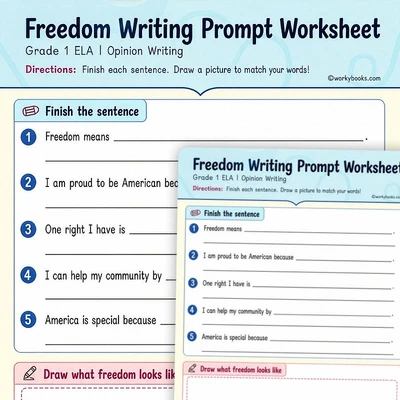
us history · W.1.1
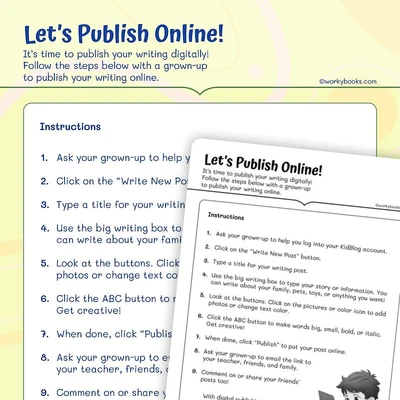
writing · W.1.6-1
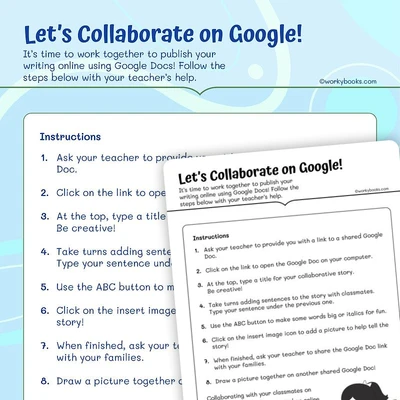
writing · W.1.6-1
writing · W.1.5+2
writing · W.1.8+1
writing · W.1.5+2
Looking for another grade or the full scope? See all ELA standards, K–8 →