
Interactive

Grade 4
Greek and Latin Affixes and Roots Practice
Vocabulary Development-->Prefix and Suffix · L.4.4.b+2
$1.50

Showing 88 of 88 standards
Demonstrate command of the conventions of standard English grammar and usage when writing or speaking.
Use relative pronouns (who, whose, whom, which, that) and relative adverbs (where, when, why).
Form and use the progressive (e.g., I was walking; I am walking; I will be walking) verb tenses.
Use modal auxiliaries (e.g., can, may, must) to convey various conditions.
Order adjectives within sentences according to conventional patterns (e.g., a small red bag rather than a red small bag).
Produce complete sentences, recognizing and correcting inappropriate fragments and run-ons.*
Correctly use frequently confused words (e.g., to, too, two; there, their).*
Demonstrate command of the conventions of standard English capitalization, punctuation, and spelling when writing.
Use commas and quotation marks to mark direct speech and quotations from a text.
Use a comma before a coordinating conjunction in a compound sentence.
Spell grade-appropriate words correctly, consulting references as needed.
Use knowledge of language and its conventions when writing, speaking, reading, or listening.
Differentiate between contexts that call for formal English (e.g., presenting ideas) and situations where informal discourse is appropriate (e.g., small-group discussion).
Determine or clarify the meaning of unknown and multiple-meaning words and phrases based on grade 4 reading and content, choosing flexibly from a range of strategies.
Use context (e.g., definitions, examples, or restatements in text) as a clue to the meaning of a word or phrase.
Use common, grade-appropriate Greek and Latin affixes and roots as clues to the meaning of a word (e.g., telegraph, photograph, autograph).
Consult reference materials (e.g., dictionaries, glossaries, thesauruses), both print and digital, to find the pronunciation and determine or clarify the precise meaning of key words and phrases.
Demonstrate understanding of figurative language, word relationships, and nuances in word meanings.
Explain the meaning of simple similes and metaphors (e.g., as pretty as a picture) in context.
Recognize and explain the meaning of common idioms, adages, and proverbs.
Demonstrate understanding of words by relating them to their opposites (antonyms) and to words with similar but not identical meanings (synonyms).
Acquire and use accurately grade-appropriate general academic and domain-specific words and phrases, including those that signal precise actions, emotions, or states of being (e.g., quizzed, whined, stammered) and that are basic to a particular topic (e.g., wildlife, conservation, and endangered when discussing animal preservation).
Practice aligned to Language standards
Vocabulary Development-->Prefix and Suffix · L.4.4.b+2
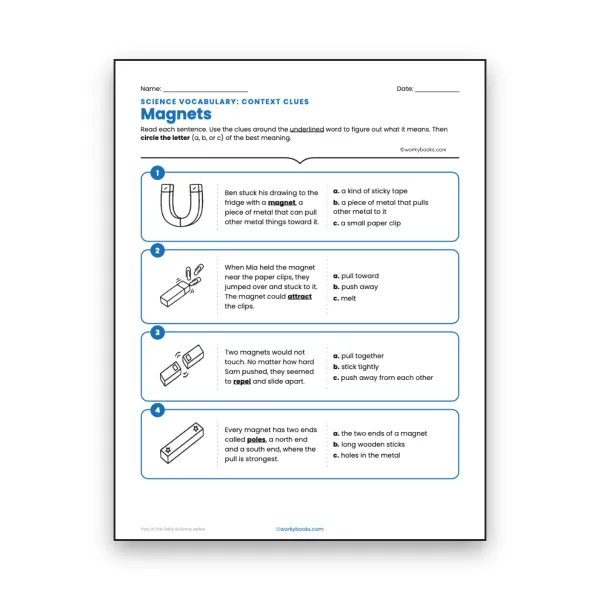
vocabulary · NGSS 3-PS2-3+1
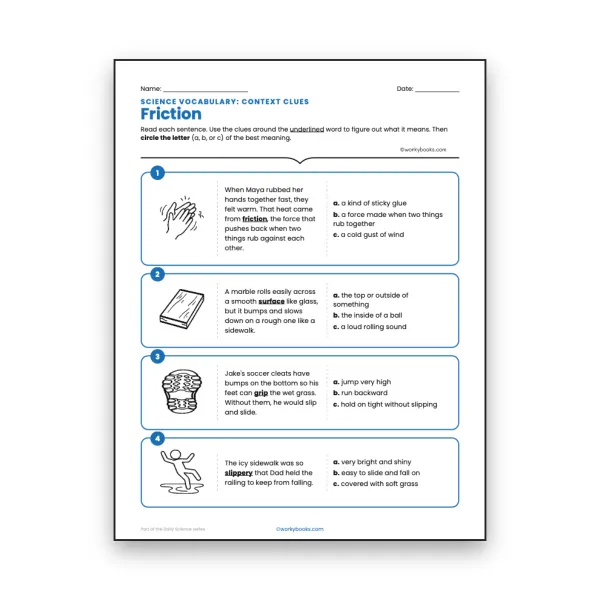
vocabulary · NGSS 3-PS2-1+1
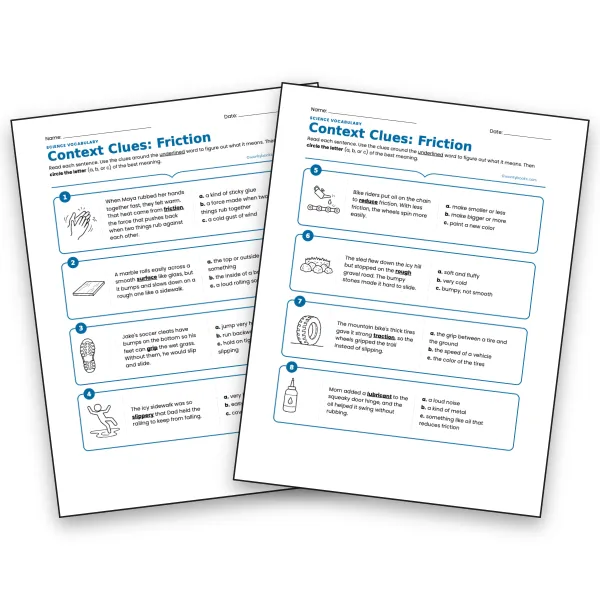
vocabulary · NGSS 3-PS2-1+6
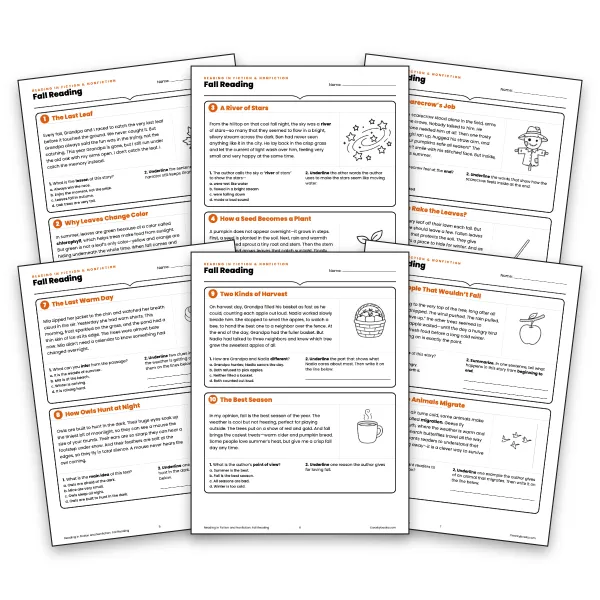
reading literature · CCSS.RL.3.1+22
reading literature · CCSS.RL.3.1+22
reading literature · CCSS.RL.3.1+22
reading literature · CCSS.RL.3.1+22
reading literature · CCSS.RL.3.1+22
reading literature · CCSS.RL.3.1+22
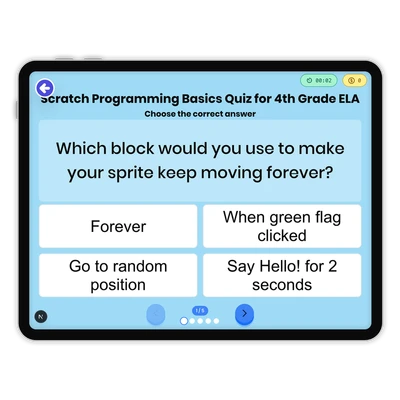
computer literacy · RI.4.4+1

narrative elements · RL.4.1+3
Know and apply grade-level phonics and word analysis skills in decoding words.
Use combined knowledge of all letter-sound correspondences, syllabication patterns, and morphology (e.g., roots and affixes) to read accurately unfamiliar multisyllabic words in context and out of context.
Read with sufficient accuracy and fluency to support comprehension.
Read grade-level prose and poetry orally with accuracy, appropriate rate, and expression on successive readings.
Use context to confirm or self-correct word recognition and understanding, rereading as necessary.
Practice aligned to Reading: Foundational Skills standards
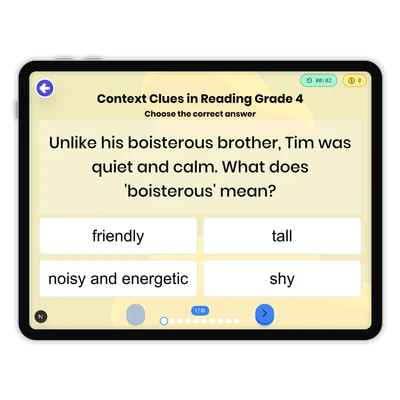
reading informational text · L.4.4.A+3
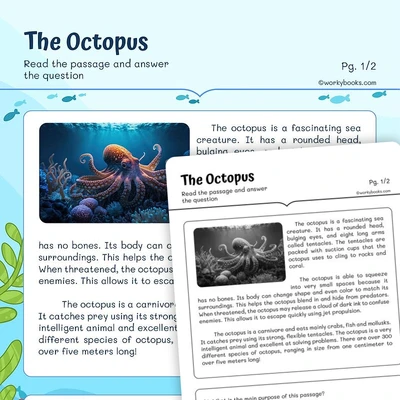
Worksheet · RF.4.4+1
reading informational text · RI.4.1+3
reading informational text · RI.4.10+3
reading informational text · RI.4.1+3
reading foundation · RF.4.4.B+1
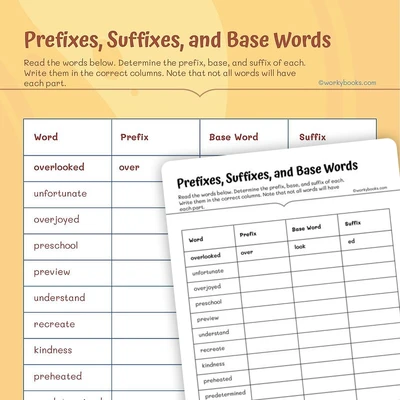
vocabulary development · RF.4.3.A+1
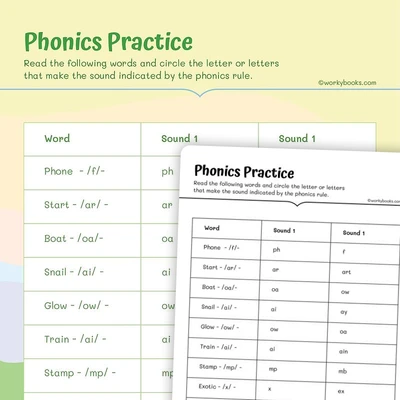
reading foundation · RF.4.4
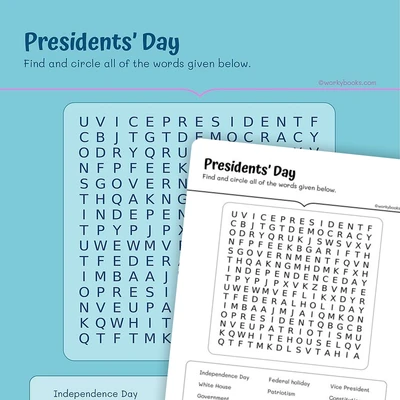
word search · RF.4.3+3
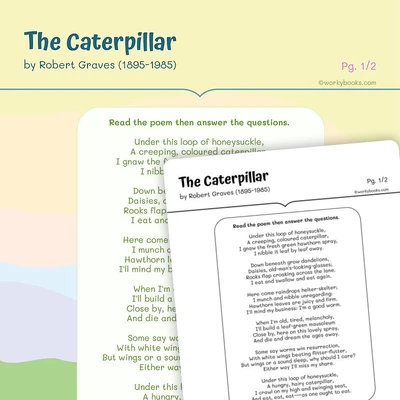
reading foundation · RF.4.4.B+1
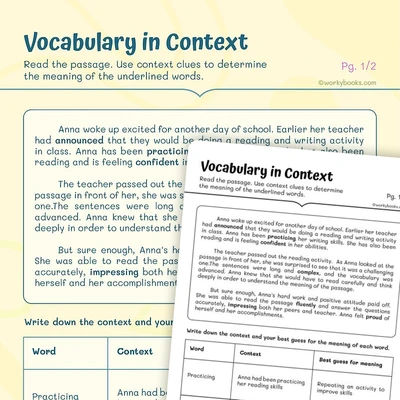
vocabulary development · RF.4.4.C-3
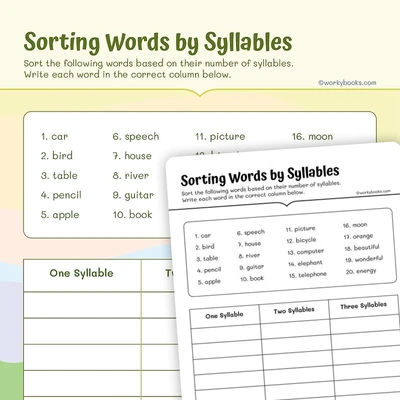
reading foundation · RF.4.3
Refer to details and examples in a text when explaining what the text says explicitly and when drawing inferences from the text.
Determine the main idea of a text and explain how it is supported by key details; summarize the text.
Explain events, procedures, ideas, or concepts in a historical, scientific, or technical text, including what happened and why, based on specific information in the text.
Determine the meaning of general academic and domain-specific words or phrases in a text relevant to a grade 4 topic or subject area.
Describe the overall structure (e.g., chronology, comparison, cause/effect, problem/solution) of events, ideas, concepts, or information in a text or part of a text.
Compare and contrast a firsthand and secondhand account of the same event or topic; describe the differences in focus and the information provided.
Interpret information presented visually, orally, or quantitatively (e.g., in charts, graphs, diagrams, time lines, animations, or interactive elements on Web pages) and explain how the information contributes to an understanding of the text in which it appears.
Explain how an author uses reasons and evidence to support particular points in a text.
Integrate information from two texts on the same topic in order to write or speak about the subject knowledgeably.
By the end of year, read and comprehend informational texts, including history/social studies, science, and technical texts, in the grades 4–5 text complexity band proficiently, with scaffolding as needed at the high end of the range.
Practice aligned to Reading: Informational Text standards
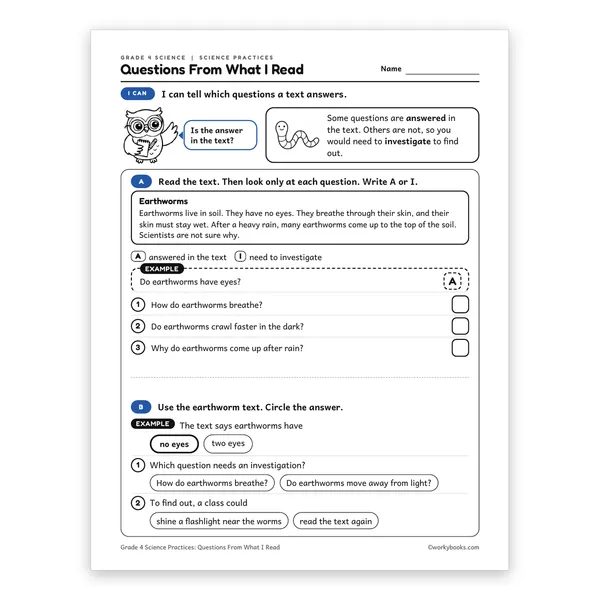
science practices · TX.SCI.4.1A+1
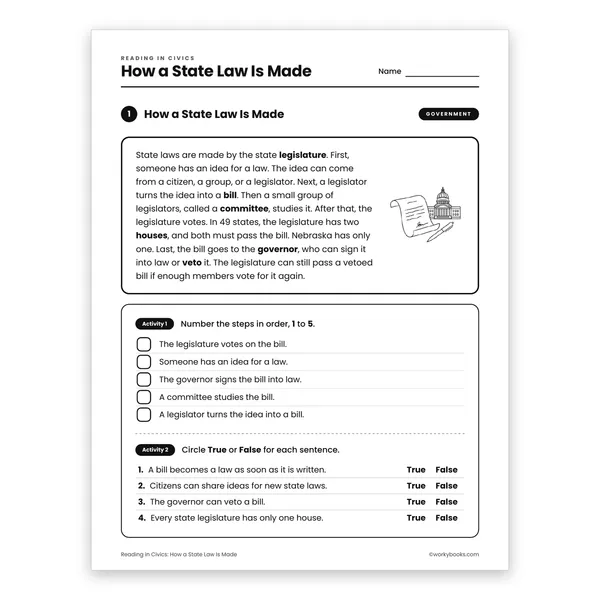
civics · C3.D2.CIV.5.3-5+3
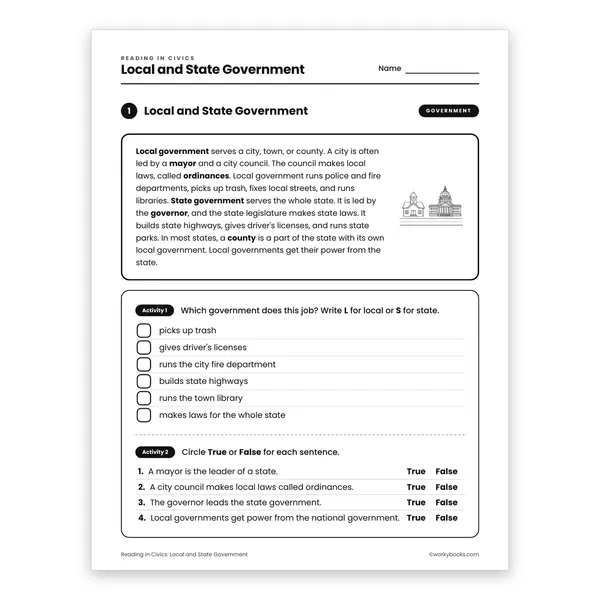
civics · C3.D2.CIV.1.3-5+2
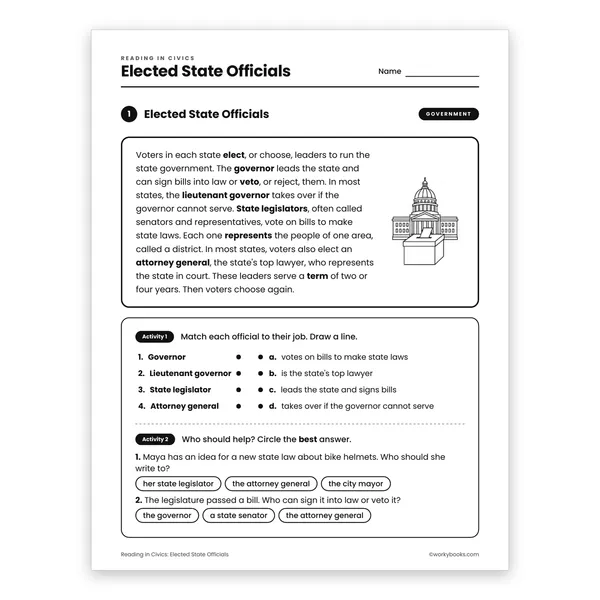
civics · C3.D2.CIV.1.3-5+2
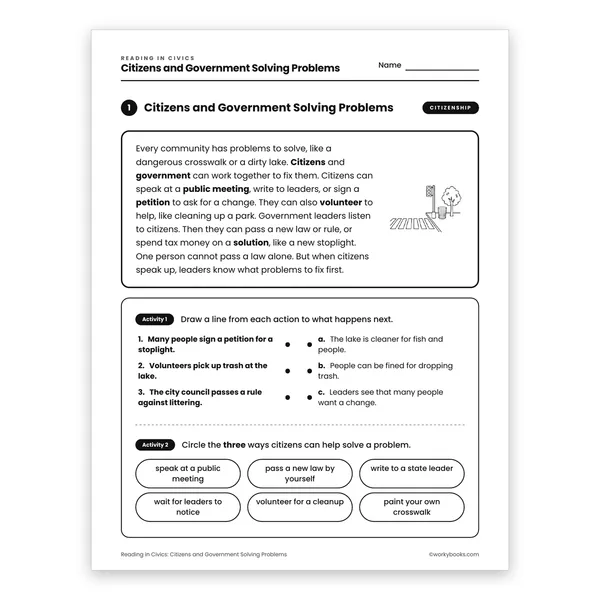
civics · C3.D2.CIV.13.3-5+3
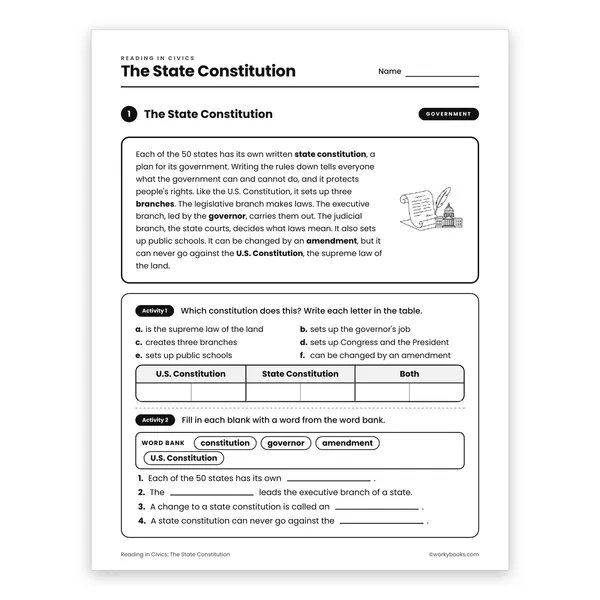
civics · C3.D2.CIV.5.3-5+3
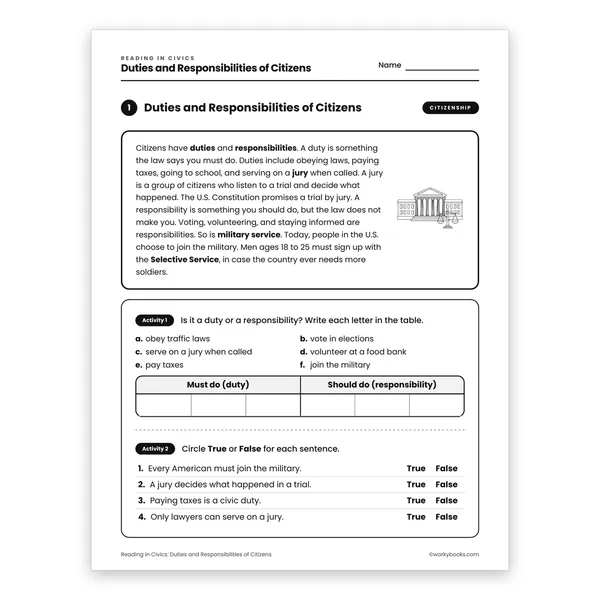
civics · C3.D2.CIV.2.3-5+3
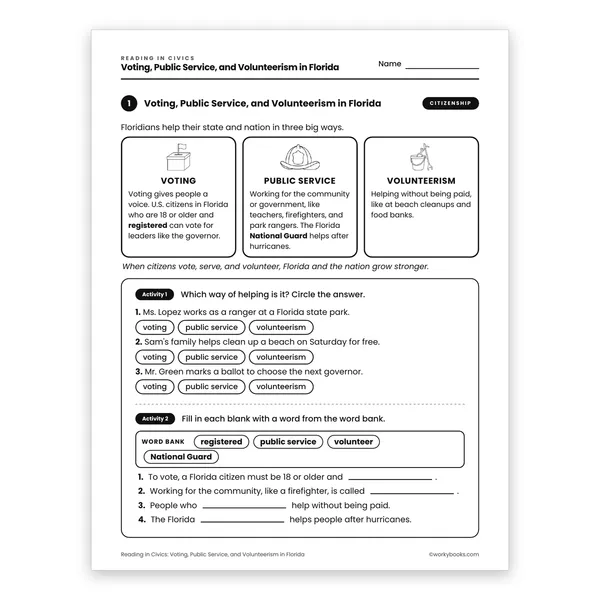
civics · FL.SS.4.CG.2.2+3
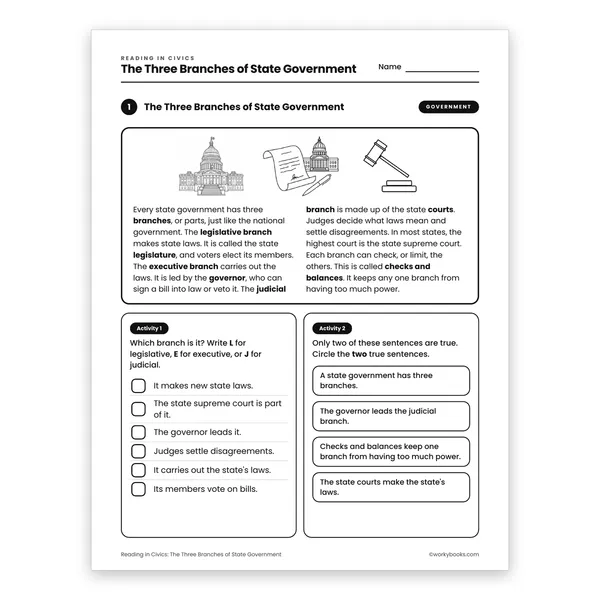
civics · C3.D2.CIV.1.3-5+3
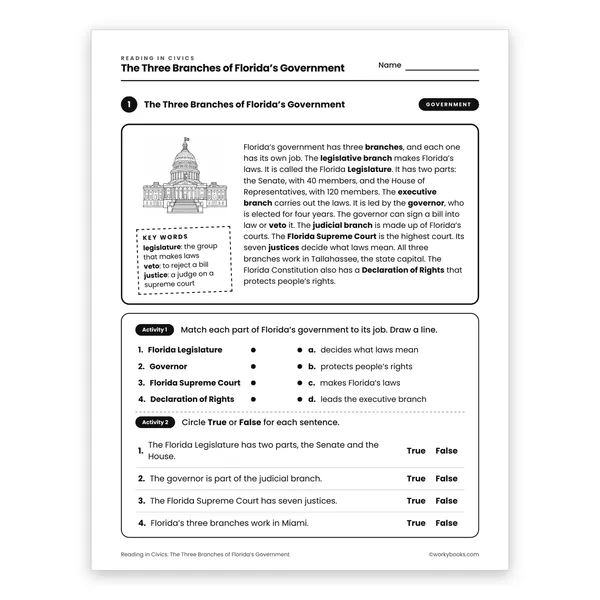
civics · FL.SS.4.CG.3.1+3
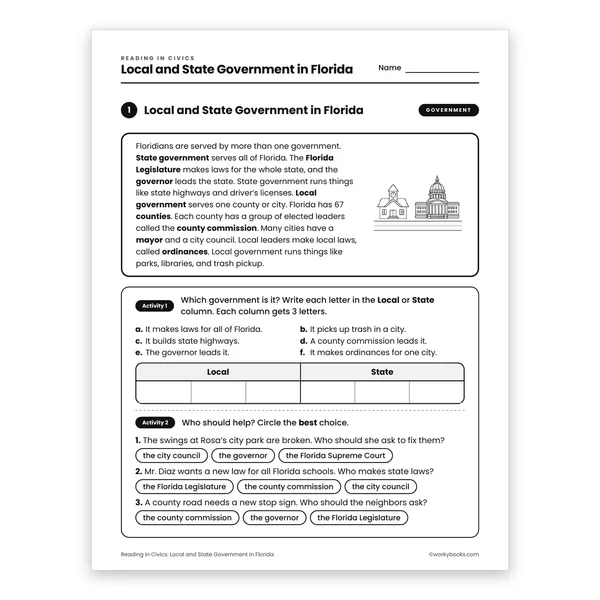
civics · FL.SS.4.CG.3.2+3
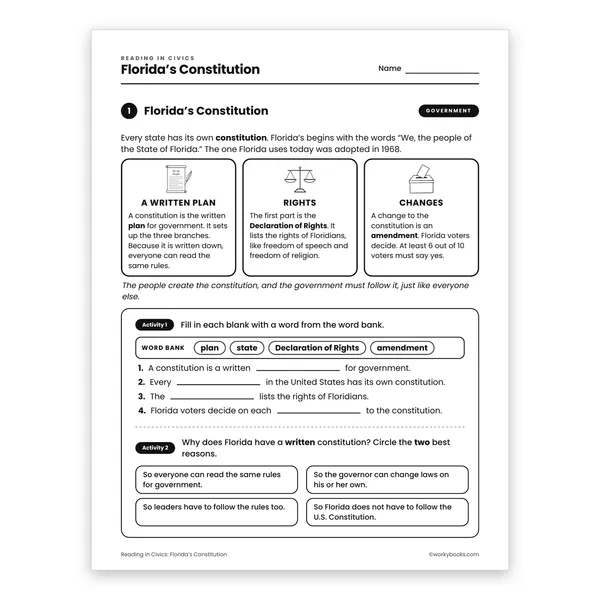
civics · FL.SS.4.CG.1.1+3
Refer to details and examples in a text when explaining what the text says explicitly and when drawing inferences from the text.
Determine a theme of a story, drama, or poem from details in the text; summarize the text.
Describe in depth a character, setting, or event in a story or drama, drawing on specific details in the text (e.g., a character’s thoughts, words, or actions).
Determine the meaning of words and phrases as they are used in a text, including those that allude to significant characters found in mythology (e.g., Herculean).
Explain major differences between poems, drama, and prose, and refer to the structural elements of poems (e.g., verse, rhythm, meter) and drama (e.g., casts of characters, settings, descriptions, dialogue, stage directions) when writing or speaking about a text.
Compare and contrast the point of view from which different stories are narrated, including the difference between first- and third-person narrations.
Make connections between the text of a story or drama and a visual or oral presentation of the text, identifying where each version reflects specific descriptions and directions in the text.
Compare and contrast the treatment of similar themes and topics (e.g., opposition of good and evil) and patterns of events (e.g., the quest) in stories, myths, and traditional literature from different cultures.
By the end of the year, read and comprehend literature, including stories, dramas, and poetry, in the grades 4–5 text complexity band proficiently, with scaffolding as needed at the high end of the range.
Practice aligned to Reading: Literature standards
reading literature · CCSS.RL.3.1+22
reading literature · CCSS.RL.3.1+22
reading literature · CCSS.RL.3.1+22
reading literature · CCSS.RL.3.1+22
reading literature · CCSS.RL.3.1+22
reading literature · CCSS.RL.3.1+22
narrative elements · RL.4.1+3

context clues · RL.4.4+1

context clues · RL.4.4+1
reading literature · RL.3.3+2
reading literature · RL.3.3+2
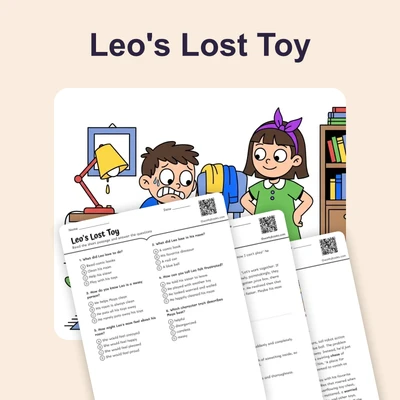
reading literature · RL.3.3+2
Engage effectively in a range of collaborative discussions (one-on-one, in groups, and teacher-led) with diverse partners on grade 4 topics and texts, building on others' ideas and expressing their own clearly.
Come to discussions prepared, having read or studied required material; explicitly draw on that preparation and other information known about the topic to explore ideas under discussion.
Follow agreed-upon rules for discussions and carry out assigned roles.
Pose and respond to specific questions to clarify or follow up on information, and make comments that contribute to the discussion and link to the remarks of others.
Review the key ideas expressed and explain their own ideas and understanding in light of the discussion.
Paraphrase portions of a text read aloud or information presented in diverse media and formats, including visually, quantitatively, and orally.
Identify the reasons and evidence a speaker provides to support particular points.
Report on a topic or text, tell a story, or recount an experience in an organized manner, using appropriate facts and relevant, descriptive details to support main ideas or themes; speak clearly at an understandable pace.
Add audio recordings and visual displays to presentations when appropriate to enhance the development of main ideas or themes.
Differentiate between contexts that call for formal English (e.g., presenting ideas) and situations where informal discourse is appropriate (e.g., small-group discussion); use formal English when appropriate to task and situation. (See grade 4 Language standards 1 here for specific expectations.)
Practice aligned to Speaking & Listening standards
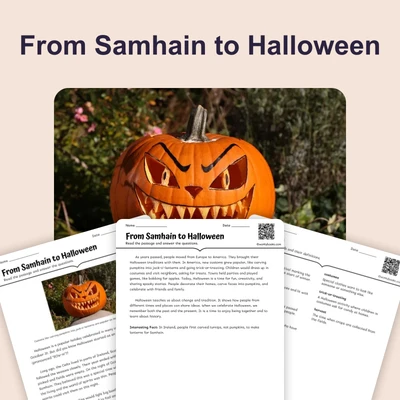
themes · RI.4.3+3
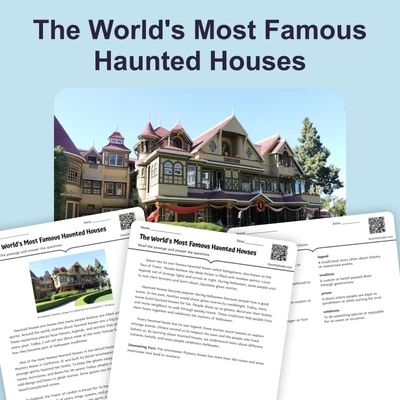
themes · RI.4.3+4

themes · RI.4.3+3

themes · RI.4.3+4
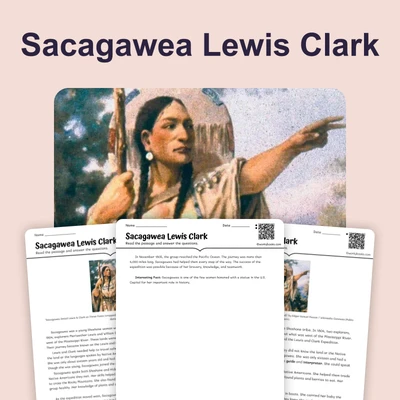
us history · D2.HIS.2.3-5+5
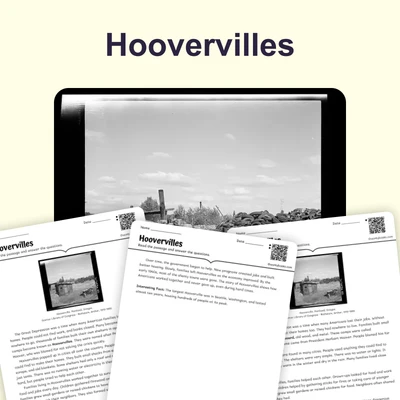
us history · D2.HIS.1.3-5+5
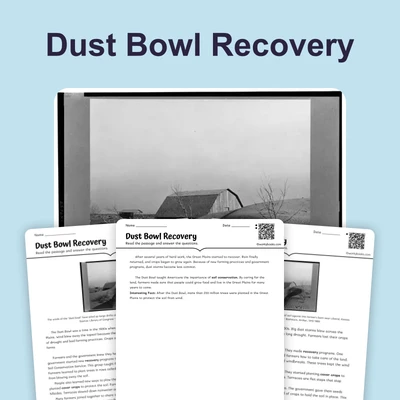
us history · D2.HIS.2.3-5+5
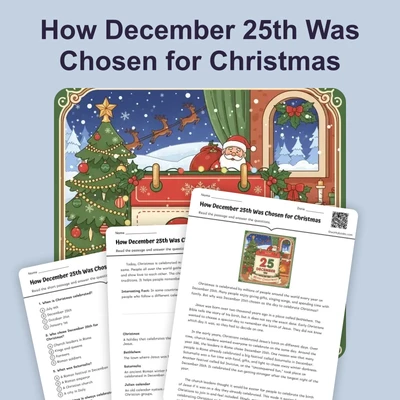
themes · RI.4.3+4
Write opinion pieces on topics or texts, supporting a point of view with reasons and information.
Introduce a topic or text clearly, state an opinion, and create an organizational structure in which related ideas are grouped to support the writer's purpose.
Link opinion and reasons using words and phrases (e.g., for instance, in order to, in addition).
Provide a concluding statement or section related to the opinion presented.
Write informative/explanatory texts to examine a topic and convey ideas and information clearly.
Introduce a topic clearly and group related information in paragraphs and sections; include formatting (e.g., headings), illustrations, and multimedia when useful to aiding comprehension.
Develop the topic with facts, definitions, concrete details, quotations, or other information and examples related to the topic.
Link ideas within categories of information using words and phrases (e.g., another, for example, also, because).
Use precise language and domain-specific vocabulary to inform about or explain the topic.
Provide a concluding statement or section related to the information or explanation presented.
Write narratives to develop real or imagined experiences or events using effective technique, descriptive details, and clear event sequences.
Orient the reader by establishing a situation and introducing a narrator and/or characters; organize an event sequence that unfolds naturally.
Use dialogue and description to develop experiences and events or show the responses of characters to situations.
Use a variety of transitional words and phrases to manage the sequence of events.
Use concrete words and phrases and sensory details to convey experiences and events precisely.
Provide a conclusion that follows from the narrated experiences or events.
Produce clear and coherent writing in which the development and organization are appropriate to task, purpose, and audience. (Grade-specific expectations for writing types are defined in standards 1-3 above.)
With guidance and support from peers and adults, develop and strengthen writing as needed by planning, revising, and editing. (Editing for conventions should demonstrate command of Language standards 1-3 up to and including grade 4 here.)
With some guidance and support from adults, use technology, including the Internet, to produce and publish writing as well as to interact and collaborate with others; demonstrate sufficient command of keyboarding skills to type a minimum of one page in a single sitting.
Conduct short research projects that build knowledge through investigation of different aspects of a topic.
Recall relevant information from experiences or gather relevant information from print and digital sources; take notes and categorize information, and provide a list of sources.
Draw evidence from literary or informational texts to support analysis, reflection, and research.
Apply grade 4 Reading standards to literature (e.g., "Describe in depth a character, setting, or event in a story or drama, drawing on specific details in the text [e.g., a character's thoughts, words, or actions].").
Apply grade 4 Reading standards to informational texts (e.g., "Explain how an author uses reasons and evidence to support particular points in a text").
Write routinely over extended time frames (time for research, reflection, and revision) and shorter time frames (a single sitting or a day or two) for a range of discipline-specific tasks, purposes, and audiences.
Practice aligned to Writing standards
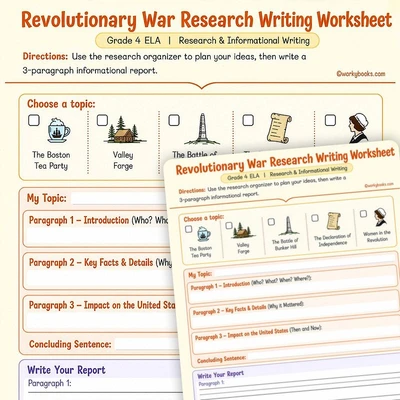
us history · W.4.2
us history · D2.HIS.1.3-5+5

us history · D2.HIS.2.3-5+4
us history · D2.HIS.2.3-5+4

world history · D2.HIS.2.3-5+4
narrative elements · RL.4.1+3
themes · RI.4.3+3
themes · RI.4.3+4

themes · RI.4.3+3
themes · RI.4.3+3
themes · RI.4.3+4
us history · D2.HIS.1.3-5+5
Looking for another grade or the full scope? See all ELA standards, K–8 →