This learning resource is available in interactive and printable formats. The interactive worksheet can be played online and assigned to students. The Printable PDF version can be downloaded and printed for completion by hand.
This middle school reading passage explains how solar panels work by turning sunlight into electricity. The passage describes how solar cells made from silicon absorb sunlight and create direct current (DC), which is then converted into alternating current (AC) using an inverter. Students will explore where solar panels are used, such as on rooftops and in solar farms, and learn about their environmental benefits. This passage supports NGSS standard MS-ESS3-1 and helps students understand the role of renewable energy in reducing pollution and conserving natural resources. With vocabulary support, real-world examples, and simple explanations, it builds science literacy and awareness of sustainable solutions.
CONTENT PREVIEW
Expand content preview
is a form of renewable energy that comes from the movement of air in the atmosphere. When the wind blows, it carries kinetic energy, which can be captured and converted into electrical energy using special machines called wind turbines. Wind energy is important because it provides a clean and sustainable way to power homes, schools, and businesses without polluting the air.
Wind turbines have large blades that spin when the wind blows. These spinning blades turn a shaft connected to a generator, which produces electricity. The stronger the wind, the faster the blades turn, and the more electricity is generated. Wind energy works best in places that have strong and steady winds, such as open plains, coastal areas, and hilltops.
One benefit of wind energy is that it does not produce greenhouse gases, unlike fossil fuels such as coal or oil. This helps reduce the effects of climate change. Wind power is also renewable, meaning it won’t run out as long as the wind keeps blowing. In many places, wind farms—groups of wind turbines—provide a significant portion of electricity.
For example, Texas and Iowa are two U.S. states that use a lot of wind energy. In some areas, wind power supplies more than 40% of the electricity used by homes and businesses. Wind energy is also growing worldwide, helping countries reduce their dependence on fossil fuels.
Wind energy is not perfect. It can only be produced when the wind is blowing, and some people think wind turbines are noisy or change the look of the landscape. However, engineers are always working to improve turbine designs and find better places to build wind farms.
Wind energy is a powerful example of how we can use natural forces to meet our energy needs while protecting the planet. It is a key part of the transition to sustainable energy sources.
Fun Fact: The largest wind turbine in the world has blades longer than a football field and can power more than 4,000 homes!
What is wind energy?
Energy from waterEnergy from moving airEnergy from the sunEnergy from fire
What part of a wind turbine captures the wind?
GeneratorBaseBladesTower
Why is wind energy considered renewable?
It comes from fuelIt costs lessThe wind never runs outIt is made by people
What does a generator in a wind turbine do?
Spins the bladesCreates noiseProduces electricityMakes wind
Why is wind energy better for the environment than fossil fuels?
It is louderIt uses coalIt does not polluteIt creates smoke
What is one disadvantage of wind energy?
It works at night onlyIt always causes pollutionIt only works when wind blowsIt uses gasoline
What is the main idea of the passage?
Wind farms are bad for natureWind turbines waste energyWind energy is a clean power sourceWind makes too much noise
If a city wants to use more wind energy, what should it consider?
How to build coal plantsIf the area has strong windsIf the wind is hot or coldHow to stop the wind
Perfect For:
👩🏫 Teachers
• Reading comprehension practice
• Auto-graded assessments
• Literacy skill development
👨👩👧👦 Parents
• Reading practice at home
• Comprehension improvement
• Educational reading time
🏠 Homeschoolers
• Reading curriculum support
• Independent reading practice
• Progress monitoring
Reading Features:
📖
Reading Passage
Engaging fiction or nonfiction text
❓
Comprehension Quiz
Auto-graded questions
📊
Instant Feedback
Immediate results and scoring
📄
Printable Version
Download for offline reading
🔊
Read Aloud
Voice-over with word highlighting
Reviews & Ratings
No reviews yet. Be the first to share your experience!
Related Content
How Do Wind Turbines Work?
This NGSS-aligned reading passage for middle school students explains how wind turbines convert the energy of moving air...
MS-ESS3-1
How Does a Hydroelectric Dam Work?
This NGSS-aligned science passage for middle school students explains how hydroelectric dams work to produce clean, rene...
MS-ESS3-1
What Is Biofuel?
This NGSS-aligned middle school science passage explains what biofuel is, how it is made, and why it is important as a c...
MS-ESS3-1
What Is Tidal Energy?
This engaging reading passage for middle school students introduces tidal energy, a form of renewable energy that uses t...
MS-ESS3-1
What Is Wave Energy?
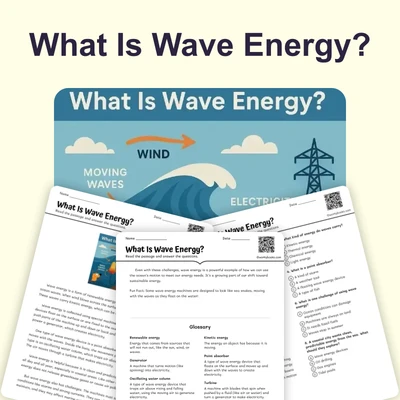
This passage introduces middle school students to wave energy—a clean, renewable energy source that comes from the movem...
MS-ESS3-1
What Is Green Energy?
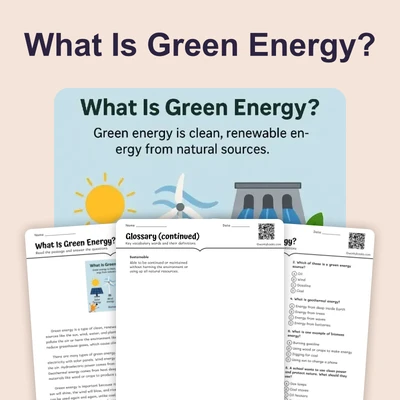
This science passage introduces middle school students to the concept of green energy—clean, renewable energy that comes...
MS-ESS3-1
Igneous Rocks
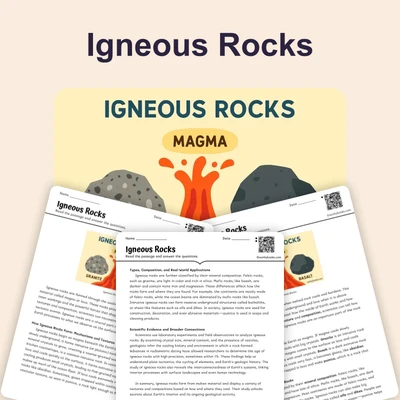
This comprehensive passage introduces middle school students to igneous rocks, focusing on how these rocks form from mol...
MS-ESS2-1MS-ESS3-1
Sedimentary Rocks
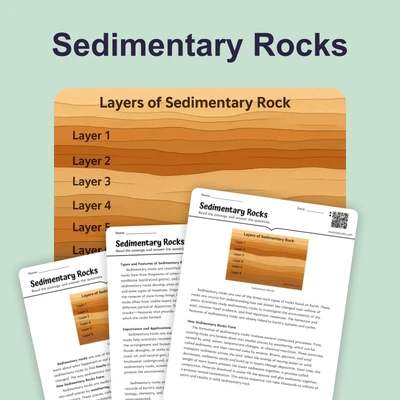
This comprehensive middle school science passage introduces students to sedimentary rocks, detailing their step-by-step ...
MS-ESS2-1MS-ESS2-3MS-ESS3-1
Metamorphic Rocks
This engaging middle school science passage introduces students to the fascinating world of metamorphic rocks. Aligned w...
MS-ESS2-1MS-ESS3-1
Topographic Maps
This comprehensive passage introduces middle school students to topographic maps, with a focus on how these maps represe...
MS-ESS2-2MS-ESS3-1SEP.4SEP.7
Minerals and Rocks as Resources
This middle school science passage, aligned to NGSS standards MS-ESS3-1 and MS-ESS3-4, explores the critical role that m...
MS-ESS3-1MS-ESS3-4
Benefits of Volcanic Activity
This middle school science passage explores the many positive impacts of volcanic activity, aligning with NGSS standards...
MS-ESS2-2MS-ESS3-1
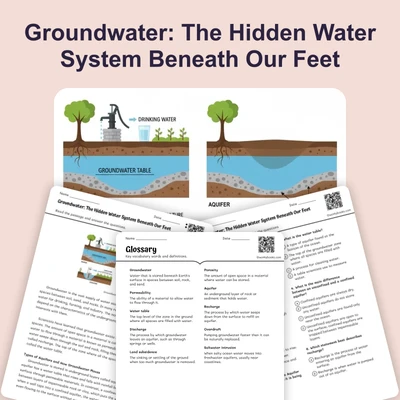
Groundwater
This middle school science passage explores the essential topic of groundwater, aligned to NGSS standards MS-ESS2-4 and ...
MS-ESS2-4MS-ESS3-1
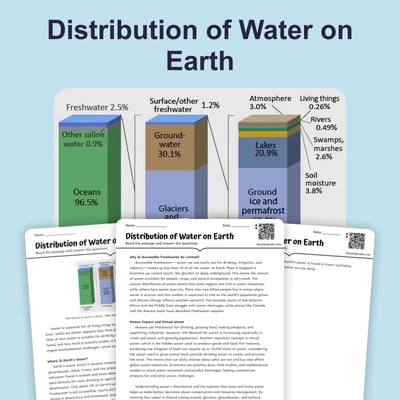
Distribution of Water on Earth
This middle school science reading passage explores the distribution of water on Earth, aligned with NGSS standards MS-E...
MS-ESS2-4MS-ESS3-1
Water as a Resource
This middle school science passage examines water as a critical resource, focusing on how it is used, managed, and conse...
MS-ESS3-1MS-ESS3-4
Water Quality
This middle school science reading passage covers the topic of water quality, aligned with NGSS standards MS-ESS3-1 and ...