This learning resource is available in interactive and printable formats. The interactive worksheet can be played online and assigned to students. The Printable PDF version can be downloaded and printed for completion by hand.
This 250-word reading passage introduces fourth-grade students to the fundamental concept of how we see light, aligned with NGSS standard 4-PS4-2. The passage explains the sequential pathway of vision: light originates from a source such as the sun or a lamp, travels through space, strikes an object and reflects off its surface, enters our eyes, and is then processed by our brain to create the images we see. Students explore real-world examples including sunlight reflecting off a red ball and lamplight bouncing off book pages. The passage uses age-appropriate language to explain key terms like light source, reflect, and vision. Audio-integrated features support diverse learners by providing text-to-speech functionality. The accompanying activities include multiple-choice comprehension questions testing recall and application, writing prompts that ask students to explain the light pathway and connect concepts to real-world scenarios, and graphic organizers including a sequence table to map the steps of vision and a vocabulary context table for key scientific terms. This resource builds foundational understanding of light behavior and prepares students for hands-on investigations of reflection and vision.
CONTENT PREVIEW
Expand content preview
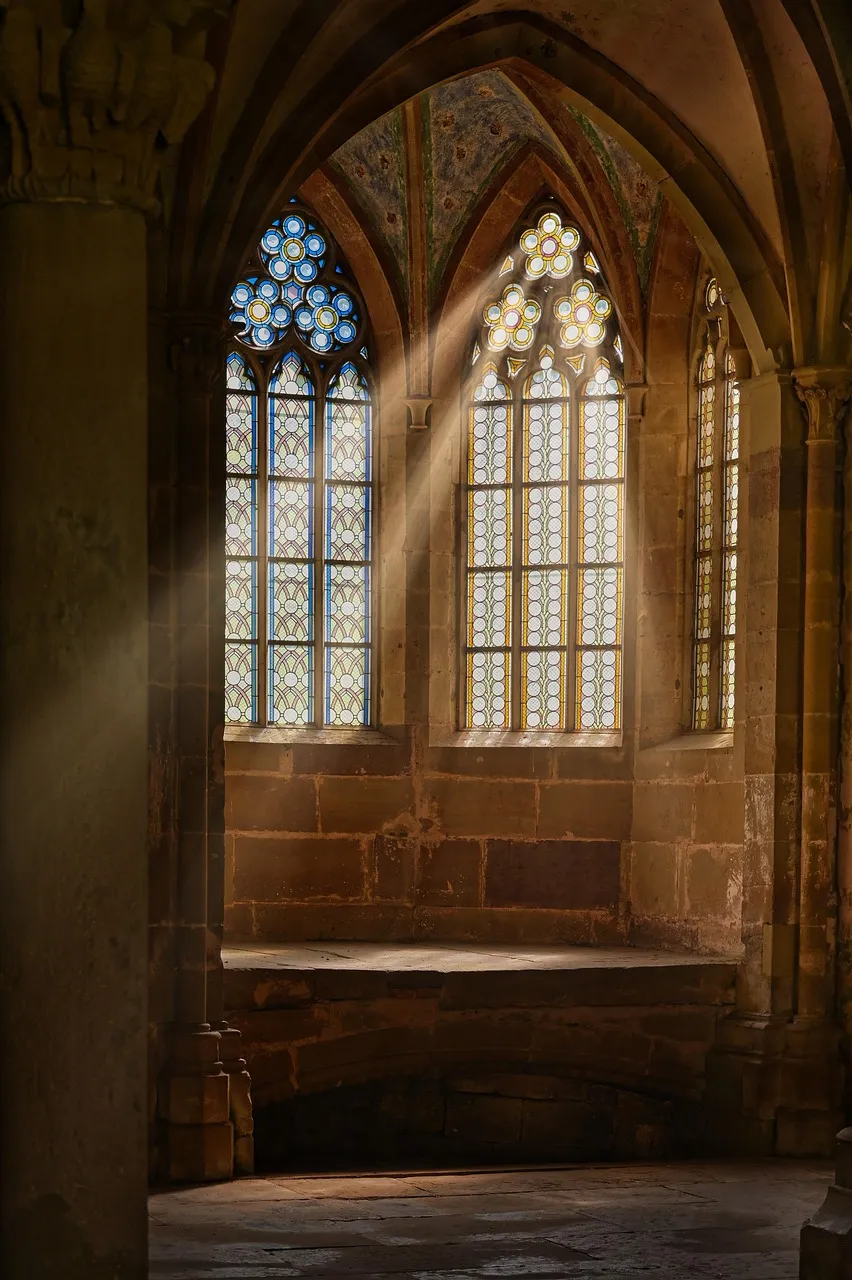
We see the world around us because of light. Without light, everything would be completely dark. . Image credit Paul_Henri / Pixabay.
We see the world around us because of light. Without light, everything would be completely dark. Understanding how light helps us see is important because it explains why we need light sources and how our eyes work.
Light always starts at a light source, which is an object that makes its own light. The sun is a natural light source. Lamps, flashlights, and candles are light sources we use every day. Light travels in straight lines away from the source in all directions, like ripples spreading out in a pond.
When light hits an object, something important happens. The light bounces off the object's surface. This bouncing is called reflection. Different objects reflect light in different ways. A shiny mirror reflects almost all the light that hits it. A red ball reflects mostly red light and absorbs other colors.
After light reflects off an object, some of that reflected light travels to your eyes. Your eyes have a special opening that lets light inside. Once the light enters your eye, it hits the back part of your eye where special cells are located.
These cells send messages through nerves to your brain. Your brain receives these messages and processes them, creating the picture you see. This whole process happens so fast that it seems instant. That is how we see everything around us—from a book on your desk to a bird flying in the sky.
What is a light source?
An object that makes its own lightAn object that only reflects lightA surface that absorbs all lightA dark room with no light
What happens when light hits an object?
The light disappears completelyThe light bounces off the objectThe light stays on the objectThe light turns into sound
Which part of your body processes light?
Your handsYour earsYour brainYour nose
Why does a red ball look red?
It absorbs all red lightIt reflects mostly red lightIt makes its own red lightIt has no light on it
Light travels in straight lines from sources.
TrueFalse
What must happen for you to see?
Only light must be presentLight must reflect and enter eyesOnly your brain must workObjects must make their own light
Which is an example of reflection?
A lamp making lightLight bouncing off a mirrorA dark room with no lightThe sun setting at night
What does 'reflected light' mean in the passage?
Light that comes from the sunLight that has bounced off somethingLight that is very brightLight that is inside your eye
Perfect For:
👩🏫 Teachers
• Reading comprehension practice
• Auto-graded assessments
• Literacy skill development
👨👩👧👦 Parents
• Reading practice at home
• Comprehension improvement
• Educational reading time
🏠 Homeschoolers
• Reading curriculum support
• Independent reading practice
• Progress monitoring
Reading Features:
📖
Reading Passage
Engaging fiction or nonfiction text
❓
Comprehension Quiz
Auto-graded questions
📊
Instant Feedback
Immediate results and scoring
📄
Printable Version
Download for offline reading
🔊
Read Aloud
Voice-over with word highlighting
Reviews & Ratings
No reviews yet. Be the first to share your experience!
Related Content
How Light Travels
This engaging 250-word science passage for Grade 4-5 students explores how light travels in straight lines called rays. ...
NGSS 4-PS4-2
How Light Reflects
This engaging science passage explores the concept of light reflection for Grade 4-5 students, aligned with NGSS standar...
NGSS 4-PS4-2
How Light Bends
This engaging 250-word science passage explains refraction for Grade 4-5 students, aligned with NGSS 4-PS4-2. Students d...
NGSS 4-PS4-2
How Light Is Absorbed
This engaging 250-word science passage explains how light absorption works for Grade 4-5 students. Aligned with NGSS sta...
NGSS 4-PS4-2
What Is Light
This Grade 4 physical science reading passage introduces students to the fundamental concept of light as a form of energ...