Rise of the Internet
Interactive passage with audio narration, comprehension questions, and printable PDF.
By completing this purchase you agree to our Terms of Use and Privacy Policy. Your subscription renews automatically until you cancel. You can cancel anytime from your account settings. All sales are final and non-refundable. Digital content is available for download in your account immediately upon purchase.
What's included
Rise of the Internet preview and details
About this printable Rise of the Internet reading passage (Grades 3-5)
Sample passage and quiz from Rise of the Internet
Reading passage and comprehension quiz preview
Rise of the Internet
The Internet Revolution began in the late 1900s and changed the world in amazing ways. Before the internet, people had to send letters or make phone calls to talk to each other. Finding information meant going to the library or reading books. Everything changed when computers began to connect through the internet.
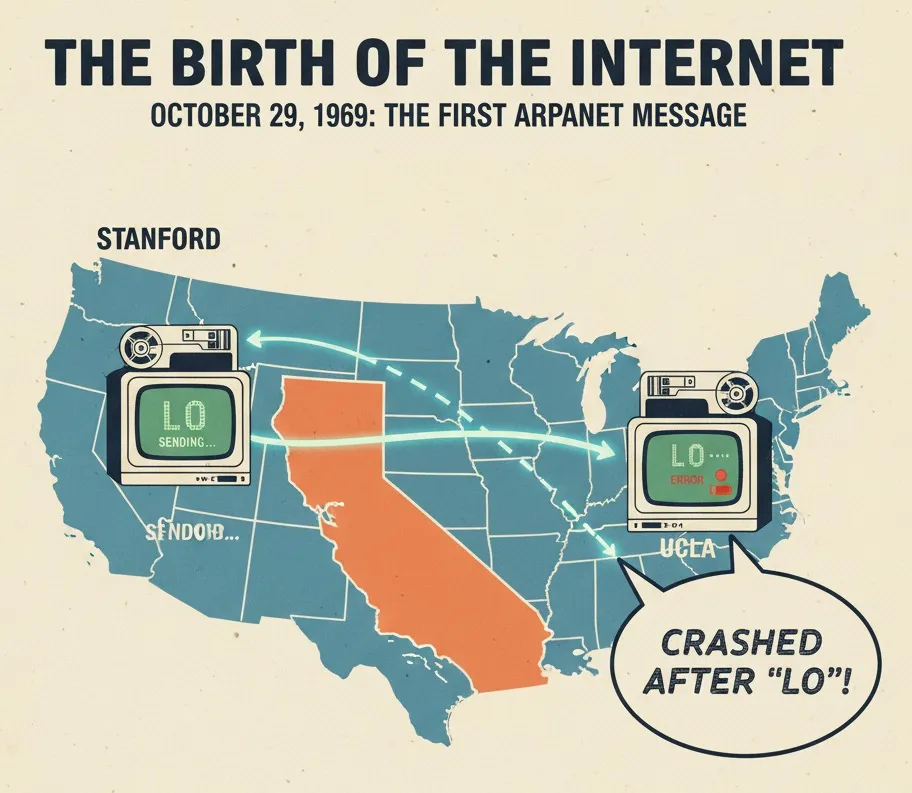
In 1969, the United States government helped start a project called ARPANET. This early network let computers send messages to each other. Scientists and students could share ideas much faster. Over time, more computers joined the network. By the 1980s and 1990s, the internet grew quickly, connecting schools, businesses, and homes.
One big step was the invention of the World Wide Web in 1989 by Tim Berners-Lee. The World Wide Web made it easy for people to visit websites and find information. Soon, people could send emails, shop online, and watch videos from home. The internet also made it possible to talk to someone on the other side of the world in seconds.
The internet changed how people learn and work. Teachers can use websites to help students learn new things. Workers can use digital communication to share ideas with others far away. Friends and families use video calls and messages to stay close, even if they are far apart.
Shopping also changed. People can buy clothes, books, and even groceries online. Businesses can share their products with customers everywhere. News can travel around the world in just a few moments. Many people now use smartphones to connect to the internet from almost anywhere.
The Internet Revolution made life faster and helped people feel more connected. It opened up new ways to learn, work, and share. Today, the internet is one of the most important inventions since electricity.
Interesting Fact: The first message ever sent over the internet in 1969 was the word “LOGIN,” but the system crashed after just two letters were typed!
Comprehension quiz (8 questions)
1. When did the Internet Revolution begin?
2. Who invented the World Wide Web?
3. What was ARPANET?
4. How did the internet change shopping?
5. Why is the internet important for learning?
6. What is one effect of digital communication?
7. The first internet message was 'LOGIN.'
8. What does 'inventions' mean in the passage?
Common Core standards for Rise of the Internet
Refer to details and examples in a text when explaining what the text says explicitly and when drawing inferences from the text.
Perfect for the way you teach
- Build comprehension skills
- Auto-graded quiz
- Differentiated reading
- Read together at home
- Improve fluency
- Quiet reading time
- Reading curriculum support
- Independent practice
- Track Lexile growth