Earth Day and Types of Pollution — Reading Comprehension
Rate this
Present
Present in classroom. No work saved
Assign
Classroom with student accounts, Track progress
Quick Play
No student accounts, assign with a link
Grades
4
5
Standards
RI.4.1
RI.4.2
ESS3.C
ESS3.A
PRINT+DIGITAL RESOURCE
This learning resource is available in interactive and printable formats. The interactive worksheet can be played online and assigned to students. The Printable PDF version can be downloaded and printed for completion by hand.
Earth Day is coming! Get ready to learn about pollution and test your knowledge. Click for a free reading passage and quiz. #EarthDay2025 #GoGreen #EnvironmentalFacts #LearnAboutPollution #WorkyBooks Students can participate in an Earth Day Quiz for Kids featuring thought-provoking and fun questions related to the passage. The Earth Day Quiz with Answers allows learners to check their responses instantly, making it a great tool for both classroom use and independent learning. This activity not only improves reading comprehension but also encourages kids to think about how they can contribute to a cleaner, healthier Earth.
CONTENT PREVIEW
Expand content preview
Earth Day is an annual event celebrated on April 22nd to raise awareness about environmental issues and encourage people to take action to protect our planet. One of the biggest environmental problems facing the Earth today is pollution.
Pollution occurs when something harmful is introduced into the environment, making it dirty or unsafe. Different types of pollution affect different parts of the Earth. Air pollution, for example, is caused by car exhaust, factory smoke, and burning fossil fuels. This type of pollution can make the air dirty and hard to breathe and contribute to health problems like asthma and allergies.
Water pollution happens when chemicals, trash, and other harmful substances end up in our rivers, lakes, and oceans. This can make the water unsafe for animals to live in and for people to drink or swim in. Some common causes of water pollution include oil spills, fertilizer runoff from farms, and plastic waste that ends up in the ocean.
Land pollution is another type of pollution that affects the Earth’s soil and land surfaces. This can happen when people litter, when factories dump waste on the ground, or when harmful chemicals are used in farming. Land pollution can make it hard for plants to grow and for animals to find food and shelter.
The good news is that there are things we can all do to help reduce pollution and protect the Earth. We can start by making small changes in our daily lives, like using reusable bags instead of plastic ones, walking or biking instead of driving, and properly disposing of our waste. By working together and taking action, we can help make the Earth a cleaner, healthier place for everyone!
What is pollution?
Something harmful introduced into the environmentSomething that makes the environment clean and safeSomething that helps plants and animals growSomething that makes the Earth more beautiful
Which of the following is an example of air pollution?
Planting treesRecycling plastic bottlesCar exhaust and factory smokeSwimming in the ocean
How can water pollution affect animals and people?
It can make the water cleaner and saferIt can make the water unsafe to drink or swim inIt can help fish and other marine animals grow biggerIt can make the water taste better
What can individuals do to help reduce pollution?
Litter and throw trash on the groundUse plastic bags instead of reusable onesDrive cars instead of walking or bikingProperly dispose of waste and use reusable items
Perfect For:
👩🏫 Teachers
• Reading comprehension practice
• Auto-graded assessments
• Literacy skill development
👨👩👧👦 Parents
• Reading practice at home
• Comprehension improvement
• Educational reading time
🏠 Homeschoolers
• Reading curriculum support
• Independent reading practice
• Progress monitoring
Reading Features:
📖
Reading Passage
Engaging fiction or nonfiction text
❓
Comprehension Quiz
Auto-graded questions
📊
Instant Feedback
Immediate results and scoring
📄
Printable Version
Download for offline reading
🔊
Read Aloud
Voice-over with word highlighting
Reviews & Ratings
No reviews yet. Be the first to share your experience!
Related Content
Identify Main Idea Graphic Organizer
This graphic organizer on main idea includes space to write the main idea and three supporting details.
RI.1.2RI.2.2RI.3.2RI.4.2
Main Idea and Suporting Details Graphic Organizer
This graphic organizer on main idea includes space to write the main idea and three supporting details.
RI.1.2RI.2.2RI.3.2RI.4.2
Main Idea and Details Graphic Organizer
This graphic organizer on main idea includes space to write the main idea and three supporting details.
RI.1.2RI.2.2RI.3.2RI.4.2
Snorkeling & Scuba Diving
RI.2.2RI.2.6RI.2.10RF.2.4.A
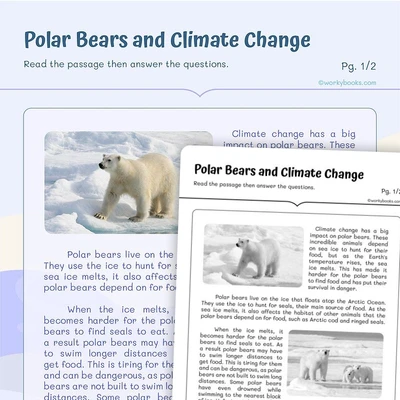
Polar Bears and Climate
This informational text on polar bears is a great way to practice reading comprehension. Students will read the passage ...
RI.4.1W.4.72-LS4-1RF.4.4
Climate and Water Cycle
W.4.2.ARI.4.4RI.4.1
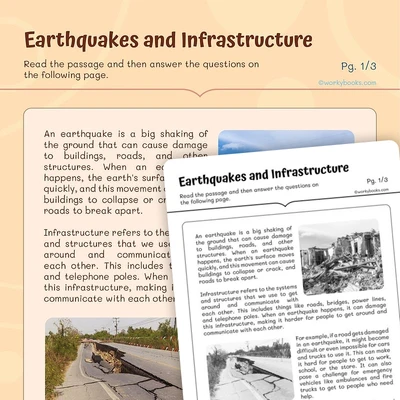
Earthquakes and Infrastructure
Get this worksheet about the effects of earthquakes on infrastructure. The worksheet includes an informational passage t...
W.4.7RI.4.1ESS3B
The Rubik's Cube
RI.2.2RI.2.6RI.2.10RF.2.4.A
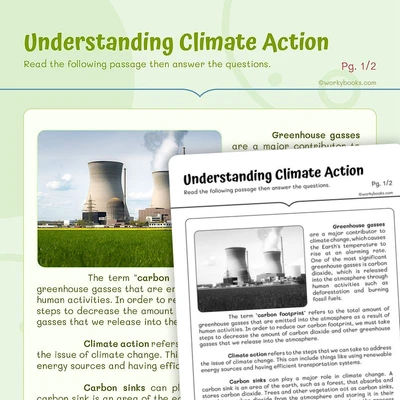
Understanding Climate Action Context Clues
Understanding Climate Action" worksheet, aligned with CCS L.4.4.A and NGSS. This resource introduces key concepts such a...
L.4.4.ARI.4.1RI.4.4
The Space Needle
Students read a passage about the history and features of Seattle's Space Needle, then answer comprehension questions to...
RI.4.2
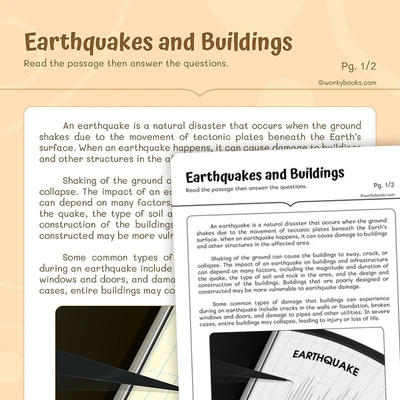
Earthquake and buildings
Download this worksheet on the impact of earthquakes on buildings. The informational text included in this worksheet is ...
RI.4.1ESS3BW.4.7RF.4.4
Graphic Organizer for Main Idea
This graphic organizer on main idea includes space to write the main idea and three supporting details.
RI.1.2RI.2.2RI.3.2RI.4.2
The Role of Pollinators in Nature
Learn about the fascinating world of pollinators and discover their crucial role in the reproductive process of flowerin...
RI.4.2RI.4.3RI.4.4RI.5.1
Pollination: A Crucial Ecosystem Service
Explore the vital role of pollination beyond plant reproduction, as it sustains ecosystems by ensuring food security, pr...
RI.4.2RI.4.3RI.4.4RI.5.1
Seed Dispersal: How Plants Travel
Plants may seem stationary, but their seeds have amazing ways to travel! Explore the fascinating world of seed dispersal...
RI.4.2RI.4.3RI.4.4RI.5.1
The States of Matter: Solid
Discover the differences between solids, liquids and gases by exploring how their particles are arranged and move. This ...
RI.4.2RI.4.3RI.4.4RI.5.1
What is a Simple Machine
Discover the power of simple machines! This informational text explores how basic tools like levers, pulleys and incline...
RI.4.2RI.4.3RI.4.4RI.5.1
How Do Scientists Study Past Climates?
Students will analyze how tools like ice cores and tree rings provide scientific evidence about Earth’s historical clima...
RI.4.1RI.4.2RI.4.3.4.RI.4.74-ESS2-2
Earth Day and Green Initiatives
Celebrate Earth Day with this fun and educational activity! Students will begin by reading a short passage that explains...